Are you overwhelmed by the complexities of running your business? Do you struggle to navigate the ever-changing landscape of your industry? If so, you’re not alone. Many business owners face these challenges daily, but there’s a solution that can help you overcome them and achieve unprecedented success.
Enter PedroVazPaulo, a renowned business consultant with a track record of transforming companies across various sectors. With his unique blend of industry expertise and innovative consulting approach, PedroVazPaulo has helped countless businesses not just survive, but thrive in today’s competitive market. From startups to established corporations, his tailored solutions have consistently delivered remarkable results.
In this blog post, we’ll dive deep into PedroVazPaulo’s business consulting. We’ll explore the comprehensive services he offers, his extensive industry knowledge, and the distinctive consulting approach that sets him apart from the rest. You’ll also discover inspiring success stories from satisfied clients, and understand why choosing PedroVazPaulo could be the game-changing decision your business needs. So, let’s embark on this journey to unlock your company’s full potential!
Services Offered by PedroVazPaulo Business Consultant
Strategic Business Planning
PedroVazPaulo’s strategic business planning service is designed to help companies chart a clear path to success. This comprehensive approach includes:
Market analysis and competitor assessment
Goal setting and KPI development
Resource allocation and budgeting
Risk management strategies
Our team works closely with clients to create tailored plans that align with their unique vision and objectives.
Financial Analysis and Management
We offer expert financial guidance to optimize your company’s fiscal health:
Service
Description
Financial Modeling
Develop accurate projections and scenarios
Cash Flow Management
Improve liquidity and financial stability
Cost Reduction
Identify areas for savings without compromising quality
Investment Analysis
Evaluate potential opportunities for growth
Marketing and Branding Strategies
PedroVazPaulo helps businesses stand out in crowded markets through:
Brand identity development
Digital marketing campaigns
Customer segmentation and targeting
Social media strategy optimization
Our marketing experts use data-driven insights to create impactful strategies that resonate with your target audience.
Operational Efficiency Consulting
We streamline your business processes to maximize productivity and profitability:
Process mapping and analysis
Workflow optimization
Technology integration recommendations
Employee training and development programs
By focusing on these key areas, we help clients reduce waste, improve quality, and improve operational performance.
Industry Expertise
Technology Sector
PedroVazPaulo’s expertise in the technology sector is unparalleled, offering cutting-edge solutions for businesses navigating the digital landscape. Our consultants have a deep understanding of emerging technologies, including:
Artificial Intelligence and Machine Learning
Internet of Things (IoT)
Cloud Computing
Cybersecurity
Blockchain
We help tech companies optimize their operations, streamline product development, and stay ahead of market trends.
Healthcare
In the healthcare industry, PedroVazPaulo brings a wealth of experience in:
Digital health innovations
Electronic Health Records (EHR) implementation
Telemedicine solutions
Healthcare data analytics
Regulatory compliance
Our consultants work closely with healthcare providers to improve patient care, increase operational efficiency, and navigate complex regulatory environments.
Retail and E-commerce
PedroVazPaulo’s expertise in retail and e-commerce encompasses:
Omnichannel strategies
Supply chain optimization
Customer experience enhancement
Data-driven marketing
E-commerce platform selection and implementation
We help retailers and e-commerce businesses thrive in the competitive digital marketplace.
Manufacturing
In the manufacturing sector, our expertise includes:
Industry 4.0 implementation
Lean manufacturing principles
Supply chain optimization
Quality management systems
Predictive maintenance
PedroVazPaulo assists manufacturers in modernizing their operations and improving productivity.
Financial Services
Our expertise in financial services covers:
Area of Expertise
Key Focus
Digital Banking
Mobile apps, online platforms
Fintech Solutions
Blockchain, cryptocurrencies
Risk Management
Compliance, fraud prevention
Wealth Management
Robo-advisors, personalized services
Insurance Tech
Claims automation, usage-based insurance
PedroVazPaulo helps financial institutions adapt to the digital age while maintaining security and compliance.
With our diverse industry expertise, we are well-equipped to address the unique challenges faced by businesses across various sectors. Our next section will delve into our unique consulting approach that sets us apart from the competition.
Consulting Approach
Data-Driven Decision Making
In today’s fast-paced business environment, gut feelings alone are no longer sufficient for critical decisions. PedroVazPaulo’s consulting approach is firmly rooted in data-driven decision making, ensuring that every recommendation is backed by solid evidence and analysis.
Our process involves:
Comprehensive data collection
Advanced analytics and visualization
Actionable insights generation
Implementation of data-driven strategies
Data-Driven Approach
Benefits
Objective analysis
Minimizes bias in decision-making
Predictive modeling
Forecasts future trends and outcomes
Performance metrics
Measures and tracks progress effectively
Real-time monitoring
Allows quick adjustments to strategies
Customized Solutions
We understand that no two businesses are alike. That’s why our consulting approach focuses on developing tailored solutions that address the unique challenges and opportunities of each client.
Collaborative Client Partnerships
At PedroVazPaulo, we believe in fostering strong, collaborative partnerships with our clients. This approach ensures that we not only deliver solutions, but also empower our clients to implement and sustain these changes long after our engagement ends.
Key aspects of our collaborative approach include:
Regular communication and feedback loops
Knowledge transfer and skill development
Joint problem-solving sessions
Long-term support and follow-up
By combining data-driven decision making, customized solutions, and collaborative partnerships, we create a powerful framework for driving sustainable business growth and innovation. Our next section will showcase real-world examples of how this approach has led to remarkable success stories for our clients.
Success Stories
Case Study: Startup Growth Acceleration
PedroVazPaulo’s expertise in startup acceleration is exemplified by the remarkable success of TechNova, a fledgling AI company. Through strategic guidance and targeted interventions, TechNova achieved:
300% revenue growth in 12 months
Successful Series B funding round of $15 million
Expansion from 10 to 50 employees
Metric
Before Consulting
After Consulting
Revenue
$500,000
$2,000,000
Employees
10
50
Market Share
2%
15%
Case Study: Corporate Turnaround
A struggling manufacturing firm, IndustrialX, faced imminent bankruptcy before engaging PedroVazPaulo. The turnaround strategy resulted in:
Cost reduction of 30% without compromising quality
Streamlined operations increasing efficiency by 45%
Debt restructuring, leading to improved financial health
Case Study: Market Expansion
GlobalTech, a software company, sought to expand into Asian markets. With PedroVazPaulo’s guidance, they achieved:
Successful launch in 3 new countries within 6 months
200% increase in international sales
Establishment of strategic partnerships with 5 major regional players
These success stories demonstrate PedroVazPaulo’s ability to drive growth, navigate challenges, and create sustainable value across diverse business scenarios. Now, let’s explore why PedroVazPaulo is the preferred choice for businesses seeking transformative consulting services.
Why Entrepreneurs and Business Owners Choose PedroVazPaulo Business Consultant
With countless consultancy services, you may wonder what makes PedroVazPaulo stand out. Here are just a few reasons why business owners choose them:
1. Tailored Solutions
PedroVazPaulo doesn’t believe in one-size-fits-all strategies. Every business is unique, and their solutions reflect this individuality.
2. Data-Driven Insights
Their strategies are backed by in-depth analysis and research. This ensures that every recommendation is practical, but also based on industry trends and valuable performance metrics.
3. Hands-On Support
PedroVazPaulo’s consultants don’t just provide advice; they actively help implement and monitor solutions. Their hands-on approach ensures you’re never left to tackle challenges on your own.
4. Proven Results
From startups to established small businesses, PedroVazPaulo has an impressive track record of helping clients achieve tangible improvements in performance, efficiency, and profitability.
5. Commitment to Your Success
The team at PedroVazPaulo sees their clients’ success as their own. Their dedication to building long-term relationships is a testament to their commitment.
How PedroVazPaulo Can Help You
Whether you’re launching a new business, optimizing existing operations, or scaling for growth, PedroVazPaulo Business Consultant is your trusted partner. Their experience, hands-on approach, and commitment to success make them the ideal choice for entrepreneurs and small business owners.
Take the Next Step Today
If you’re ready to take your business to the next level, PedroVazPaulo Business Consultant is here to help. Contact them today to schedule your free consultation and see how they can help you achieve your goals.
In today’s fast-changing business world, effective leadership plays a key role in company success. PedroVazPaulo is already a well-known business consultant; they offer services for businesses to run and grow in the field or market. Especially PedroVazPaulo, a business consultant who focuses on executive coaching and leadership development. They offer tailored programs specially designed to enhance leadership skills and boost a company’s growth. In this article, we will cover PedroVazPaulo, a business consultant who focuses on executive coaching in leadership development.
Why Choose PedroVazPaulo Business Consultant?
At PedroVazPaulo, we’re more than just coaches; we’re your growth partners. Our team have years of experience in corporate strategy, leadership development, business consulting, and organizational psychology. We work with top executives from big companies like Fortune 500 as well as startup leaders. Our programs deliver real results: 95% of participants improve their leadership skills, team engagement increases by 25%, and 80% of our top-tier clients get promoted within 18 months.
The Importance of Executive Coaching in Leadership Development
Leadership development is really important for those who want to improve their management style, increase efficiency, and help their organization succeed. Executive coaching offers personalized guidance that helps people build on their strengths and improve where they need to, which can lead to big growth in their careers.
Benefits of Executive Coaching
Enhanced Decision-Making Skills: This mentorship helps leaders make better, smarter decisions by guiding them to think carefully and plan effectively.
Improved Communication: This coaching improves the communication skills for effective leadership.
Increased Emotional Intelligence: When you understand and handle your emotions well, it improves your relationships at work.
Stronger Leadership Presence: Being a strong leader means showing confidence and authority. This training helps your team and others trust you more.
Higher Productivity & Efficiency: Better coaching for leaders leads to higher productivity and efficiency, which improves overall business performance.
Better Crisis Management: Coaching helps leaders stay calm and think clearly when unexpected problems arise, so they can handle them effectively.
Greater Work-Life Balance: Leaders learn how to stay productive without getting too stressed or burnt out.
Stronger Company Culture: This coaching trained the leader to contribute to a positive and collaborative workplace environment.
Pedro Vaz Paulo’s Approach to Leadership Coaching
PedroVazPaulo’s executive coaching method combines scientific principles, behavioural psychology, and real-world business strategies. His approach includes:
Personalized Coaching Programs
PedroVazPaulo, the consultant, customizes his coaching sessions to fit each client’s unique needs. He starts by carefully evaluating their strengths and weaknesses and then creates a personalized plan to help them grow and improve.
One-on-One Mentorship
One-on-one coaching sessions provide executives with dedicated time to focus on personal and professional development. PedroVazPaulo business consultant, offers guidance on conflict resolution, negotiation tactics, and performance enhancement.
Leadership Assessments & Feedback
PedroVazPaulo employs industry-recognized tools like 360-degree feedback, behaviour analysis, and performance tracking to measure progress and improve his coaching methods.
Strategic Thinking & Innovation Training
Today’s modern businesses require adaptive leadership. PedroVazPaulo, a business consultant, helps leaders think strategically, solve problems creatively, and make better decisions.
Emotional Intelligence Development
Good leaders need to handle emotions well to create strong teams. PedroVazPaulo’s coaching focuses on increasing self-awareness, empathy, and emotional regulation.
Resilience & Stress Management
PedroVazPaulo consultant focuses on teaching stress management techniques to help executives stay calm and focused on goals. His coaching includes practices like mindfulness, better time management, and building mental strength to handle pressure.
High-Performance Team Building
A leader’s success is directly linked to the efficiency of their teamwork. PedroVazPaulo, a business consultant, helps leaders by teaching them how to delegate tasks effectively, keep their team motivated, and resolve conflicts. This helps create a strong and productive team.
Ethical Leadership & Corporate Responsibility
Modern leadership requires a commitment to ethical decision-making, social responsibility, and running a company the right way. PedroVazPaulo coaching helps leaders focus on sustainable business practices and lead with honesty and integrity.
Proven Results & Success Stories of PedroVazPaulo Executive Coaching
PedroVazPaulo’s executive coaching has helped many leaders achieve amazing results. Some of the key success metrics include:
Increased Executive Performance: Leaders say PedroVazPaulo coaching helps in making smarter plans in an effective way. This training changes the mindset of thinking to make effective plans and helps to handle every situation without any stress or difficulties.
Higher Employee Engagement: Teams with well-trained leaders tend to work together better and feel more motivated. When employees are engaged, they’re more likely to stay committed to their work and the company.
Improved Business Growth: Businesses grow faster when they have leaders who are well-trained and guided. PedroVazPaulo coaching helps leaders make better decisions, leading to stronger company growth. Plus, it creates a more motivated and focused team.
Enhanced Conflict Resolution: Leaders learn better ways to solve problems and disagreements at work. This helps create a more positive and productive environment for everyone. By improving these skills, leaders can prevent small issues from turning into bigger problems.
Stronger Succession Planning: Better planning for future leaders helps companies grow and succeed. Having skilled leaders ready ensures the organization runs smoothly. Plus, it reduces stress when key roles need to be filled.
Reduced Employee Turnover: Effective leadership helps keep employees happy and less likely to leave their jobs. When people feel valued and supported, they stay longer and work better.
Greater Market Competitiveness: Businesses coached by PedroVazPaulo stay ahead in their industries. They learn how to stand out and grow stronger than others.
Conclusion
Investing in executive coaching is essential for leadership excellence, and PedroVazPaulo, a business consultant, is a trusted expert in the field. His tailored coaching programs help leaders improve their skills, make better decisions, and achieve success in their businesses. Whether you’re an experienced executive or just starting out as a leader, working with PedroVazPaulo can make a big difference in your career.
In today’s highly competitive market, small businesses face many challenges, like financial problems, how to survive in the market, and difficulty in reaching customers. PedroVazPaulo, a well-known business consultant, has become a go-to expert for helping small businesses grow. His creative ideas and smart strategies help businesses overcome challenges, make more money, and succeed in the field. In this article, we will cover the PedroVazPaulo small business growth strategies.
Understanding Small Business Challenges
Before diving into growth strategies, it’s important to understand the common challenges faced by small businesses:
Limited Capital: Most small businesses do not have enough money, and it is hard for businesses to grow and spend on advertising, which limits their ability to expand and succeed.
Market Competition: It’s a common problem; large companies in the market control most of the market, which makes it tough for small businesses to stand out and attract customers.
Operational Inefficiencies: When a company’s processes don’t work well, it wastes time, money, and effort. This makes things less efficient, slows down work, and ends up costing more to run the business.
Customer Acquisition and Retention: Building a loyal customer is very tough because the market is very competitive. So, it’s hard to build a group of loyal customers.
Technology Advancements: Staying always updated on new technologies can be really stressful, difficult, and costly, especially for small business owners; most small business owners do not know about technologies
Hiring Skilled Employees: Finding skilled employees is very important; small businesses do not have professional experts. A good employee plays a key role in a company’s success.
Time Management: Balancing multiple roles as a business owner is difficult; it’s not easy to manage multiple tasks. Small business owners face this problem; they cannot manage their time.
These problems are commonly faced by small businesses, and these problems decrease the productivity of the company. If you address the business challenges and overcome these challenges with effective strategies. It increases the chance to grow and survive in the market and also increases the productivity and worth of the company in the competitive market.
Why Do Small Businesses Need a Growth Strategy?
Many small businesses fail within the first few years because they don’t have a clear plan for growth in the market. Without a solid strategy, they face challenges like financial management, customer retention, and competition in the market. PedroVazPaulo consultant highlights how having a structured growth plan is key to avoiding these problems and achieving success. Taking the time to plan ahead can make all the difference in building a sustainable business.
Key Benefits of Having a Growth Strategy
● Improved Financial Stability: A good plan helps keep your income steady and reliable. It also reduces stress by making sure you always know where your money is coming from. ● Market Expansion: Expanding into new markets by targeting different customer groups can help your brand reach more people. This can lead to more sales and a stronger presence in the market. ● Competitive Edge: Keeping ahead of others by being more creative and working smarter. It’s about finding better ways to do things so you can stand out and succeed. ● Operational Efficiency: Operational efficiency means improving how things are done to work smarter, save time, and make more money. It’s about finding better ways to get tasks done without wasting resources. ● Risk Mitigation: Spotting and dealing with possible problems before they can hurt your business. It’s about being prepared and taking steps to avoid or reduce problems. ● Scalability: Scalability means setting up your business in a way that it can grow smoothly in the future without causing problems or stress. It’s about being ready to handle more work, customers, or products as your business expands.
Small Business Growth Strategies by PedroVazPaulo
Develop a Clear Business Plan
A solid business plan acts as the foundation of a business. It should cover:
Vision and mission statement
Target audience and market analysis
Revenue model and financial projections
Marketing and sales strategies
Contingency plans for potential business risks
PedroVazPaulo advises small business owners to regularly update their business plans based on market trends and customer demands.
Enhance Digital Presence
In today’s digital world, having an online presence is really important for small businesses.
Develop a professional website with a user-friendly interface.
Optimize for SEO to increase visibility in top rankings on search engines.
Engage with customers through social media platforms.
Leverage email marketing and content marketing.
Invest in paid advertising such as Google Ads and social media promotions.
Customer-Centric Approach
Customers are the backbone of any business. PedroVazPaulo recommends:
Understanding customer needs through surveys and feedback
Providing excellent customer service
Offering loyalty programs and discounts
Personalizing marketing strategies based on customer behaviour
Building long-term relationships through continuous engagement
Smart Financial Management
Proper financial management is essential for growth.
Maintaining a clear record of income and expenses
Avoiding unnecessary expenses and reducing costs
Investing in profitable opportunities
Seeking financial guidance from experts like PedroVazPaulo
Utilizing accounting software to track financial health
Leveraging Technology
Use technologies to increase productivity and efficiency in work.
Use CRM (Customer Relationship Management) software.
Automate repetitive tasks with AI and machine learning tools.
Utilize cloud computing for data storage and accessibility.
Implement e-commerce solutions to expand sales channels.
Adopt data analytics to track customer behaviour and market trends.
Effective Branding Marketing
A strong brand identity attracts more customers.
Creating a unique logo and brand message
Establishing a consistent visual identity across platforms
Running digital marketing campaigns (SEO, PPC, social media ads)
Building a reputation through customer testimonials and case studies
Leveraging influencer marketing to enhance brand credibility
Scaling Through Partnerships and Networking
Strategic partnerships can open new opportunities. PedroVazPaulo suggests:
Collaborating with complementary businesses
Attending industry events and trade shows
Networking with professionals and potential clients
Seeking mentorship and business consultancy for guidance
Forming strategic alliances for mutual business growth
Investing in Employee Development
Employees play a vital role in business success. Key strategies include:
Providing regular training and skill development programs
Creating a positive work environment
Encouraging innovation and idea-sharing
Recognizing and rewarding employee contributions
Implementing mentorship programs to foster leadership skills
Conclusion
PedroVazPaulo, a well-known business expert, believes that small businesses can achieve significant growth by implementing the right strategies. By developing a clear business plan, leveraging technology, focusing on customer satisfaction, and staying adaptable, small businesses can create long-term success.
PedroVazPaulo Business Consultant, established in 2010, is a well-known firm that helps and empowers businesses and leaders to grow in their fields or industries. They offer a wide range of services, such as business strategies, growth planning, marketing strategies, IT consulting, AI coaching, and executive coaching. PedroVazPaulo, a business consultant, is known for integrating traditional business methods with modern and top-trending technologies, helping businesses stay competitive in fast-changing markets. Business consultancy is really important for companies wanting to grow and operate the business successfully. Consultants are like experts who help to make the business plan, provide opportunities related to your business, and minimize risks. They also provide unique strategies that make your workflow more efficient and increase productivity. In today’s competitive business market, business consultancy plays an important role. A consultant provides businesses with a clear understanding of financial management, market expansion, and digital transformation. Consultants play a key role in helping businesses adapt to new trends, make better decisions, and achieve long-term success. Business consultants provide customized solutions that improve overall performance and keep companies on the right track.
Who is PedroVazPaulo?
PedroVazPaulo is a highly experienced business consultant specializing in strategy development, operational optimization, and profits. He also has a degree in business administration and business strategy, and he has a strong foundation in guiding startups and established or growing businesses. Through his consultancy firm, he focuses on creating innovative strategies, improving management efficiency, and integrating technology to keep companies competitive. PedroVazPaulo team offers customized solutions with technologies; they empower businesses to operate successfully and grow in the industry.
Services of PedroVazPaulo Business Consultant
PedroVazPaulo Consultant provides a wide range of services to help businesses and leaders succeed. They specialize in creating effective strategies, offering IT and business advice, and providing coaching for executives. Their goal is to support companies and leaders in reaching their objectives and growing successfully.
Business Strategy Consulting
Business strategy consulting focuses on long-term growth plans to help a company grow in a way that fits its specific needs. Whether it’s a startup or an established business, PedroVazPaulo consultants help them expand the business, use resources wisely, and navigate market challenges effectively.
Executive Coaching & Leadership Training
Executive coaching and leadership training help business leaders make better decisions and manage their teams more effectively. These programs aim to improve leadership and speaking skills, encourage teamwork, and create a work environment focused on achieving long-term success.
Financial & Investment Strategies
Financial and investment strategies help businesses to create smart financial plans and investment strategies that match their business goals. They guide companies in handling risks, using their money wisely, and staying financially stable for the long term.
Small Business Growth Strategies
PedroVazPaulo Business Consultant helps startups and small businesses grow and run more efficiently. They create custom plans to increase profits, reduce costs, and expand markets, giving their clients the tools to succeed in competitive industries.
Digital transformation and IT consulting
Digital transformation and IT consulting help businesses use the latest technology to work fast and smoothly. Adopting innovative digital tools and new technologies increases the productivity of the company and easily survives in the market.
HR & Employee Development
A business’s success depends on its employees, and PedroVazPaulo Business Consultant specializes in helping companies manage their workforce effectively. They offer HR consulting services that focus on three key areas: finding the right talent, keeping employees happy and engaged, and improving performance.
Benefits of Hiring PedroVazPaulo Business Consultant
Hiring PedroVazPaulo Business Consultants offers numerous benefits for starting a business, establishing a business, and growing strategies or top trending technologies. PedroVazPaulo Consultant increases the productivity and provides a unique direction to run a business successfully.
Complete Business Analysis
PedroVazPaulo team analyzes the business through market trends, competitors, and your company’s internal process. This careful analysis helps to create a customized strategy to run the business.
Cost-Effective Solutions
Hiring a consultant might feel like an extra cost, but PedroVazPaulo consultants help find areas where you can save money and work more efficiently. Their advice helps to control the financial budget and avoid extra expenses.
Leadership Development
PedroVazPaulo Consultant helps leaders to enhance leadership abilities, improving decision-making, communication, and innovation. This approach builds a workplace culture that values constant improvement and the ability to adapt to change.
Technology Integration
PedroVazPaulo Business Consultant is also known for adapting technology. This unique approach differentiates PedroVazPaulo from other business consultants. Because they use advanced technology and provide unique results.
Success Stories & Case Studies of Hiring PedroVazPaulo Business Consultant
TechNova: A Startup’s Success Story
TechNova, a small tech company with innovative ideas, faced severe financial challenges and dropping sales. They decided to get help from PedroVazPaulo, a business consultant. After carefully looking into the company’s situation, the team identified that the main issues were spending too much money and not positioning their products effectively. PedroVazPaulo consultant provides the strategies to run the company. After 1 year, TechNova started making a profit, and within 2 years, they became one of the top companies in their industry.
Expanding a Family Business: Green Thumb Nursery’s Success Story
Green Thumb Nursery, a family-run plant shop with more than 30 years of experience, was struggling to grow its business. Even though they had many loyal customers, the owners weren’t sure how to expand in the right way. They decided to get help from PedroVazPaulo a business consultant. PedroVazPaulo team, after in-depth analysis of this business, advises opening this shop as an online store and also provides proper planning and a roadmap. Now, Green Thumb Nursery has five locations.
Conclusion
PedroVazPaulo Business Consultant helps businesses grow, improve their operations, and stay competitive in evolving markets. With expertise in strategy development, financial planning, technology integration, and leadership coaching, they provide customized solutions for long-term success. By using modern tools and creative strategies, PedroVazPaulo supports companies in becoming more efficient, profitable, and sustainable.
In an industry of constant evolution in which new breakthroughs are shaping our way of living, working, and relating to others, the latest technological innovations don’t just advance but are transforming industries and redefining possibilities. Being updated about these developments is critical to competitiveness among businesses, professionals, and tech enthusiasts in a rapidly digital world. Exploring breakthrough innovations brings insight into their impact and the potential to transform industries. These next-generation leaps in technology are such as artificial intelligence and quantum computing.
Why Breakthroughs in Tech Matter
Fueling Economic Growth
Breakthroughs in technology form the foundation for economic growth; they bring innovation, new industries, and new employment. The entry of advanced technologies in markets increases productivity, decreases costs, and generates new income streams. Breakthroughs of this nature will generate ripples that impact all the industries of manufacturing and healthcare sectors and make the world economy robust.
Addressing Global Challenges
Innovative tech solutions are fundamental to solving some of the world’s most pressing issues, from climate change to healthcare access and food security. Breakthroughs such as renewable energy advancements, precision medicine, and AI-driven solutions create a path toward a sustainable and equitable future. It provides tools to solve seemingly insurmountable challenges.
Key Breakthroughs in Tech for 2025
Artificial Intelligence (AI) Evolution
AI is leading the pack in terms of technological advancement, with tremendous developments that are taking place in natural language processing, machine learning, and neural networks. From chatbots like ChatGPT to voice assistants or AI analytics platforms that automate tasks, personalize experiences, and optimize operations, its intuitive applications have reached advanced robotics, mental health support, and creative fields such as music and art generation.
Quantum Computing Advancements
What used to be confined to purely theoretical research has, for quantum computing, actually been coming out as tangible progress. New developments in quantum processors by IBM, Google, and start-ups are making it reach unprecedented milestones. Applications vary, from optimizing chains to speeding up drug discovery, even as high-security systems are enhanced through stronger encryption.
Breakthroughs in Green Technology
Innovation still focuses much on sustainability. Green tech breakthroughs are being taken to the mass market. Innovations in renewable energy with the advent of advanced solar panels, wind turbines, and energy storage solutions make clean energy efficient and affordable. Industry use of biodegradable materials, carbon capture systems, and smart grids can similarly be framed within an environment where profit always relates to the accomplishment of sustainability goals.
5G and Beyond
It marked the beginning of ultra-fast connectivity through 5G networks, which would lead to the intelligent city, autonomous vehicles, and even more enhanced IoT ecosystems. In short, it would herald 6G, the future where everything would be faster, bandwidth-enhanced, and reliable. Such technological advancements will change communication by making devices and networks blend seamlessly together around the globe.
Industries Revolutionized by Tech Breakthroughs
Healthcare
Such breakthroughs as AI-assisted diagnostics, telemedicine platforms, and wearable health monitors have enabled the healthcare sector to have its technological revolution. It is improving patient care while promoting early disease detection and making health care accessible for many underserved regions in the country. Innovation in biotechnology has also been such that CRISPR gene editing opened pathways to groundbreaking treatment.
Education
Technology is revolutionizing education, bringing it closer and more personalized. Virtual reality (VR) and augmented reality (AR) are creating immersive learning experiences, while AI-driven platforms adjust to individual learning paces and styles. This innovation bridges the gap of educational inequalities worldwide by giving high-quality resources and tools to learners everywhere.
Entertainment
It uses the tech breakouts as a means for reshaping and rebooting content development and distribution. AI-generated sound and deep fakes are furthered by interactivity found in gaming, while content-recommendation technology that operates through AI was applied among streaming platforms; even innovations from AR and VR deliver increased interaction in storytelling.
Challenges in Adopting New Tech
High Implementation Costs
One of the major reasons that prevents companies from adopting cutting-edge technologies is because of the associated cost involved. From the research and development to the actual deployment phase, the financial burden seems to be high, at least for small and medium enterprises. Innovations promise long returns, but upfront investment stops businesses from adopting new techs.
Ethical and Privacy Concerns
With the ethics and privacy issues associated with AI and data-driven technologies come the misuse of AI for surveillance, algorithmic biases, and data breaches. All this raises high hurdles and requires innovation to balance with ethical considerations and proper regulation to ensure the responsible adoption of technology.
Skill Gaps
Rapid innovation often exceeds the pace of its ability to be learned. Upskilling and reskilling programs become ever more necessary in the contemporary scenario to provide knowledge and expertise for individuals to manage and operate emerging technologies. In the absence of closing the skill gap, an industry may not fully benefit from the new innovations.
The Future of Tech Breakthroughs
Integration of AI and IoT
This is where AI will merge with the Internet of Things, changing the nature of automation and connectivity, which is only the tip of the iceberg in integration into smart homes, autonomous automobiles, and wise cities, among others, as AI complements these capabilities.
Human-Machine Collaboration
The future of work will, therefore, be based on seamless human-machine collaboration. Robotic process automation, AI-based tools, and wearable technologies will enhance human productivity, enabling humans to spend more time focusing on creativity and strategy as opposed to drudgery. Workplace dynamics and productivity will then be redefined.
Tech for Sustainability
Sustainability will be at the core of future tech innovations. Innovation in renewable energy, circular economy technologies, and sustainable manufacturing practices will address environmental concerns in parallel with economic growth. Companies will increasingly make sustainability the core of their business strategies, using technology as the tool for positive change.
Conclusion
The most recent innovation is not just an improved technology but a transformational force that redefines industries and societies. Technologies from AI to quantum computing and sustainable innovations offer a future full of opportunity for solutions to complex problems and for opening up new opportunities. Businesses and individuals will need to adjust and keep plugged in and innovating into a future determined by the tech influence.
FAQs
What are the key tech breakthroughs in 2025?
Key tech breakthroughs involve innovations in AI, quantum computing, green technology, and next-generation connectivity, which include 5G and 6G.
How is AI shaping the future of technology?
AI is driving automation, making better decisions, and developing personalized experiences, transforming industries from health care to entertainment.
What industries are most impacted by tech innovations?
The greatest impact of tech innovation involves health care, education, and entertainment, where there is improved efficiency and growth.
What challenges accompany new tech adoption?
There are several challenges involving new technologies, including the implementation cost, ethical issues, and skill gaps.
What role will sustainability play in future tech?
Sustainable focus, where the designed technologies relate to renewable energy, eco-materials and the circular economy with respect to environmental issues.
The tech industry has been transformed in such ways that AI and automation play very important roles in rewriting the future of this industry. They brought about a revolutionary impact by changing the way people have to work, reduced unnecessary complexity, and opened doors into innovation that no one could think of ever possible. Along the way, it will build the future for businesses, for creativity, and for competition.
Why AI and Automation are Essential for the Tech Industry
Enhancing Operational Efficiency
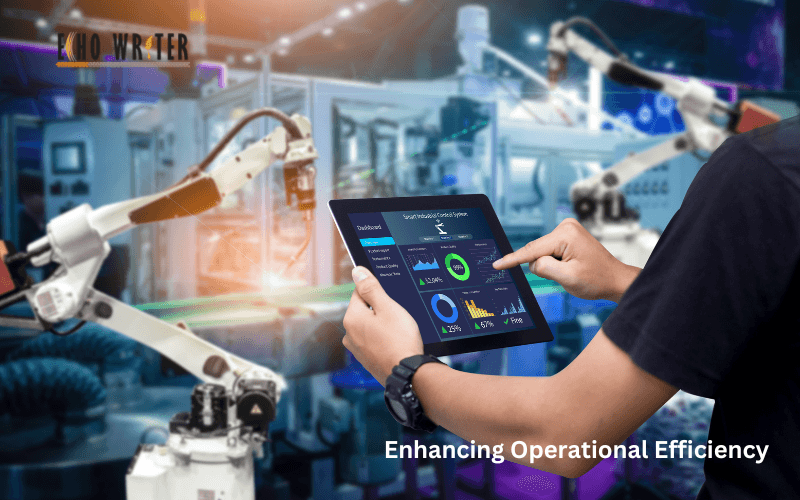
AI and automation are those tools that any technology firm cannot do without to optimize efficiency in their operation. These technologies help firms to automate routine work so as to reduce human error and boost productivitySuch machine learning algorithms help the companies analyze an incredible amount of information in real time, pointing out valuable insights toward better decisions. This leaves an organization room in the allocation of resources, channeling focus on key strategic initiatives and competing in a changing market.
Driving Innovation and Competitive Advantage
Business within the technology sector makes innovation even more effective by including AI and automation. AI helps tools deliver quicker prototyping and faster analytics, predictive personalized experiences to customers, therefore building a culture of constant innovation. Moreover, it improves cycles on the production lines for faster product delivery with greater precision, helping firms win over customers at each touchpoint in time, so they become responsive enough to capitalize on every emergent trend that’s underway in the landscape.
Key Benefits of AI and Automation for the Tech Industry
Improved Scalability
With AI and automation, tech companies can scale the operation smoothly. As they grow, these technologies guarantee that the processes are efficiently kept at bay with minimal bottlenecks and quality losses. It means that, as companies increase their volume of work, the growth is not matched by a linear increase in costs, but it can sustain growth to the highest levels. This feature is vital for businesses when expanding to other markets with diverse consumers. The innovation and customer satisfaction realized by the organization can be supported by automating the key processes in the business.
Enhanced Customer Experiences
Companies can offer personalized experiences according to the needs of different customers through AI-driven tools, such as chatbots and recommendation systems. These technologies study user behavior to predict preferences for a level of service that builds loyalty and satisfaction. Real-time customer interactions via automated systems also provide answers to queries immediately, thereby making customers more satisfied. With businesses being focused on user-centric designs and automated support systems, companies meet customer expectations and usually go beyond them, establishing stronger brand loyalty.
Cost Reduction
Automation reduces the intervention of a human, and operational costs are significantly cut. It allows companies to free resources for high-value tasks with better talent and finance utilization. In addition, AI-based predictive analytics helps organizations find inefficiency and optimize supply chains and reduce costs. Businesses also save in the long term through energy-efficient operations and reduced downtime. Thus, automation is a tool toward maintaining profitability.
Insights into AI and Automation Across the Tech Industry
AI in Software Development
AI is changing the face of software development by automating code generation, testing, and debugging. Developers use AI tools to predict possible bugs, optimize code, and even suggest improvements. This accelerates the cycle of development and improves the quality of software. Moreover, AI-based platforms have allowed collaboration across global teams through the offering of tools that can analyze and manage coding tasks in a very efficient manner. This revolutionizes how software is made, but AI is also creating a new norm in innovation within the tech world. It reduces errors and decreases timelines in making tech hardware.
Automation in Manufacturing
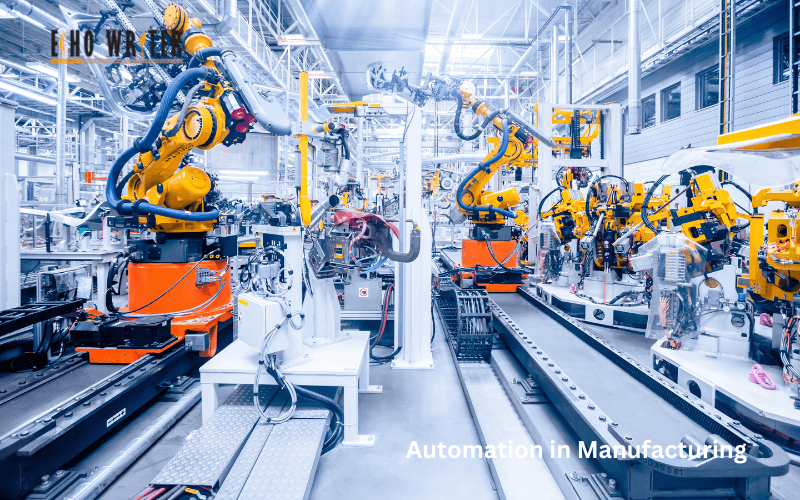
Automation in hardware for technology has streamlined production lines. Robotics and IoT gadgets give way to precision and efficiency without having much waste and producing good products. Predictive maintenance capabilities in automated systems reduce machine downtime and increase the usage lifespan of equipment. This results in a better cycle of production that means the company produces high-quality products at a higher speed. Manufacturers within the technology sector have scaled to new heights of reliability through automation in meeting competitive demand globally.
AI in Cybersecurity
AI is changing the face of software development by automating code generation, testing, and debugging. Developers use AI tools to predict possible bugs, optimize code, and even suggest improvements. This accelerates the cycle of development and improves the quality of software. Moreover, AI-based platforms have allowed collaboration across global teams through the offering of tools that can analyze and manage coding tasks in a very efficient manner. This revolutionizes how software is made, but AI is also creating a new norm in innovation within the tech world. It reduces errors and decreases timelines in making tech hardware.
Challenges of Implementing AI and Automation in the Tech Industry
Ethical and Privacy Concerns
The adoption of AI brings in ethical issues, mainly data privacy. The companies will have to address issues about the collection, storage, and usage of data in compliance with the rules and regulations. In order to gain user confidence, there should be transparency about how AI systems work. The companies also have to take into account the algorithmic bias concerns and make sure that AI systems are unbiased and fair. This can be the only way through which such companies can ensure that trust and responsibility are cultivated in the industry while still reaping the innovation benefits.
Workforce Displacement
Automation is most likely to replace manual roles, causing many to worry about job displacement. The tech industry needs to reskill employees and create new opportunities that will help reduce the disruptions within the workforce. Upskilling, including training in AI and automation, is important for future workforce roles. Investment in the development of employees will help a company deal with displacement issues but also create a competent and flexible workforce. This strategy would facilitate a smooth integration into an AI-driven industry and preserve human expertise in the critical areas.
High Implementation Costs
AI and automation require huge investments in technology and infrastructure. For small companies, these costs act as a stumbling block to the adoption of such tools, and there needs to be strategic planning and even partnerships to help cross that financial hurdle. Integration issues with existing systems also extend the timelines and cost outlays for such technologies; businesses need to balance this long-term payback with the initial outlay cost, developing scalable strategies so that the investment yields value. With careful planning, even small organizations can tap into the transformative power of AI and automation.
The Future of AI and Automation in the Tech Industry
Integration of AI with Emerging Technologies
There’s convergence between technologies like AI and blockchain, quantum computing, and 5G to make the tech world more meaningful for everyone. With such unprecedented innovation, business problems, no matter how complex they may be, will begin to be solved with much efficiency. For example, when data analysis has been optimized using AI-based quantum computers, the issues that may have seemed insurmountable would finally find answers. Such a integration and eventual integration of such new technologies reshape industries on scales that nobody thought were possible. These technologies are going to form the basis of seamless integration in the near future for the tech industry innovation.
Focus on Ethical AI Development
With growing AI adoption, emphasis will be placed on creating transparent and ethical AI systems. Companies will strive for the creation of unbiased algorithms that can explain their working principles and align with the values of society. Ethical AI practices would be based on strong data governance frameworks that would ensure the responsible use of information. Further, the organizations will collaborate and formulate standards to create ethical AI development in a global manner. This, besides building trust, would provide for sustainable growth in the technology sector, which would then become more inclusive and fair.
Advancements in Autonomous Systems
Automation will move out of factories and into such fields as autonomous vehicles, drones, and smart cities. The result will be the reshaping of industries, improved efficiency, safety, and sustainability in a global context. The self-delivery drones, for example, are already transforming logistics today by minimizing cost and negative impact on the environment. These smart cities of tomorrow, running on the principle of AI and automation, will optimally make use of all resources for urban development to enhance its quality in human living. Once these have progressed, these technologies are bound to shape what should happen by defining them.
Conclusion
The future of the tech industry will change as AI and automation drive innovation, efficiency, and growth. Despite such ethical concerns and implementation costs, the benefits far outweigh these obstacles. As more and more businesses embrace these technologies, the tech industry will continue to lead the way toward a more advanced and sustainable future.
FAQs
How is AI transforming the tech industry?
AI makes the operation efficient, drives innovation, and enhances decision-making through the analysis of data and process automation. It is at the heart of modern technological development.
What are the benefits of automation in the tech industry?
Automation saves on costs, scales better, and simplifies operations to make companies manage increased demands without quality compromise.
What are the ethical concerns surrounding AI?
Some ethical issues are data privacy, algorithmic bias, and transparency. Companies have to deal with such issues to ensure trust and compliance.
How can small businesses adopt AI and automation?
Small businesses can begin with cheap AI tools, collaboration with tech providers, and incremental automation to optimize processes.
What is the future of AI in the tech industry?
The future will include AI integration with emerging technologies, advancements in autonomous systems, and more focus on ethical and transparent AI development.
The tech industry shapes the modern world in which we live and work through connections, which it always continues to reimagine. It is critical that businesses, entrepreneurs, and consumers entering 2025 have a clue about what’s new in the tech industry & trends. The future of tech & its influence across sectors will be defined by not only monumental AI-related advancements but also by the exponential growth of 5G connectivity. Keeping a finger on the pulse in the tech industry is very important for staying in competition and preparing oneself for the changes ahead.
Why Understanding Tech Industry Trends Matters
The tech industry is probably one of the sectors fastest in evolution worldwide. Staying ahead of the curve helps a business remain competitive while navigating changing consumer needs, opportunities, and more. More than a sign of emerging technological change, these trends reshuffle markets, industries, and consumer behavior across geographies.
Staying Ahead in a Competitive Landscape
The competitive landscape of 2025 will increase in intensity as businesses exploit technology to enhance their operations and customer experiences. Understanding the latest tech industry & trends allows companies to predict changes in the market and thus implement innovative solutions to keep them relevant. This kind of foresight fosters resilience and growth in an ever-changing digital economy.
Driving Innovation and Efficiency
These are some of the technological trends paving the way for transformational innovation, thereby improving business efficiency and helping them innovate with something really new and groundbreaking. From AI automation to blockchain for safe transactions, such trends allow an organization to operate efficiently and better deliver value. New technologies redefine a company’s potential and help it set standards for the future.
Key Tech Industry Trends to Watch in 2025
The year 2025 is going to usher in transformative technologies that redefine industries and transform everyday life. These trends hold much promise for businesses and society.
Artificial Intelligence Revolution
AI continues to be dominant in the technological world and remains at the forefront through further developments in natural language processing, machine learning, and generative AI. AI is expected to become fully integrated into health, education, and finance in 2025, thereby offering a tailored service and predictive analytics. All these changes will redefine workflows, enhance decision-making, and improve productivity across industries.
Expansion of 5G and Beyond
Since wide areas of 5G have unlocked unprecedented levels of connectivity, 2025 would be marked by mass-appearing research about 6G, in parallel with the application and extending of 5G full force, which comes coupled with IoT and smart city revolutions and virtual immersive experience possibilities. Business would finally unlock seamless digital solutions across products and spur innovation about matters like autonomous vehicles, intelligent manufacturing, etc.
Blockchain Beyond Cryptocurrencies
Blockchain technology is going past the cryptocurrency association and going into industries such as supply chain management, healthcare, and real estate. For the year 2025, blockchain will play an important role in building a transparent system, data protection, and efficiency in running operations. Decentralized finance platforms and smart contracts will increase its usage as well.
Sustainable Tech Solutions
Sustainability is still the buzzword in tech innovation. From renewable energy technologies to carbon footprint tracking systems, businesses are integrating sustainable practices into their operations. And by 2025, green tech will drive more energy-efficient solutions, develop circular economies, and lead industries to strive for a more environmentally responsible future.
Quantum Computing Breakthroughs
Quantum computing is going to shift from theory to application, and some of the most significant breakthroughs will be seen in 2025. This technology may solve complex problems in fields such as cryptography, logistics, and pharmaceuticals. Businesses using quantum computing will unlock previously unimaginable computational power to help in groundbreaking research and innovation.
The Impact of Tech Industry Trends Across Industries
There is a far-reaching impact on the traditional technology firms resulting from technological trends in the tech industries.
Healthcare Transformation
Health innovations such as AI diagnostics, wearable tech, and telemedicine are redesigning health. As of 2025, they will help in early disease detection, enable personalized treatment plans, and improve access to health services in most parts of the world.
Retail and E-commerce Evolution
The retail sector adopts immersive technologies such as AR and VR to enhance the experience of customers. In parallel, AI-driven analytics have transformed inventory management and customized marketing. These trends shall lead to a seamless shopping experience that blurs lines between online and offline commerce.
Manufacturing and Automation
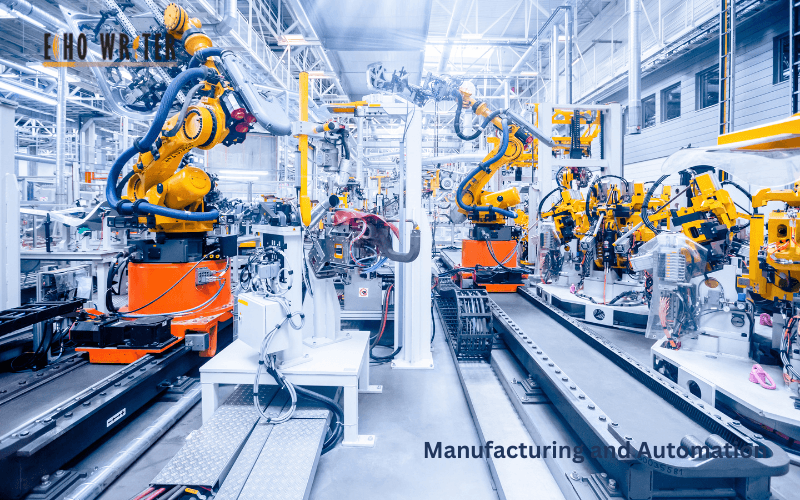
Automation is fast becoming the new backbone of modern manufacturing. In 2025, the trends in robotics, IoT, and digital twins will optimize production lines, cut costs, and increase precision. The technologies will also revolutionize supply chain management and drive innovation in product development.
Challenges in Adopting Emerging Tech Trends
Although these trends have a great deal of potential, implementing them poses challenges.
High Implementation Costs
Even though these technologies have very high potential, they come with a huge price in terms of infrastructure investment, training, and integration. Therefore, business strategic planning needs to be undertaken before their adoption to ensure effective ROI.
Data Privacy and Security Risks
With increased dependence on technology comes the challenge of protecting sensitive data. With trends like AI and IoT expanding, businesses have to address cybersecurity vulnerabilities and be compliant with data protection regulations.
Workforce Adaptation
Adopting new technologies requires a skilled workforce. Companies have to invest in upskilling the people so that there is the required gap between current skills and future requirements.
The Future of Tech Industry Trends
The tech world will be advanced further by such trends as AI, quantum computing, and green tech. Collaboration between different industries, governments, and tech innovators will then be of paramount importance for the year 2025 and onward to shape an inclusive, sustainable digital world.
Embracing Digital Transformation
Businesses need to transform digitally if they want to stay in the game. Trends like 5G, blockchain, and AI will lead to sustained growth and innovation.
Focusing on Sustainability
Sustainable technological solutions will, therefore, find their way into meeting these global challenges such as climate change and resource scarcity. Companies are likely to attract a competitive advantage with sustainability on the forefront.
Conclusion
The tech industry and trends of 2025 will encompass innovation, sustainability, and transformation. Such businesses that inform and update the shift in trends shall unlock new grounds and redefine the industry standards. Business will be able to adopt leadership positions in the future built with technology by embracing technology advancements such as AI and blockchain and sustainable technologies as well.
FAQs
What are the key tech trends in 2025?
Key trends include advancements in AI, 5G expansion, blockchain applications, sustainable technologies, and breakthroughs in quantum computing.
How does sustainability factor into tech trends?
Most tech trends are encouraged by sustainability, thus making the world develop energy-efficient solutions, green technologies, and circular economies.
Which industries will benefit the most from tech trends?
Some of the sectors that are likely to benefit the most from these emerging tech trends in 2025 are healthcare, retail, manufacturing, and logistics.
What challenges do businesses face in adopting tech trends?
The challenges relate to high implementation costs and data security risks and that the workforce needs to gear up to the new technology.
How can businesses prepare for tech industry trends?
Preparedness involves investment in the context of digital transformation, upskilling the workforce, and tracking new emergent technologies and market dynamics.
In this fast-changing industrial world, green tech has become an essential element of sustainable development. Green tech is another term for green technology—a new set of solutions for reducing the negative impact of human activity on the environment while at the same time increasing efficiency. From renewable energy to waste management, green tech is not just changing individual businesses but paving the way for a more environmentally friendly and sustainable world economy. Industries are reorienting their operations to more eco-friendly values and to the long-term sustainability vision by using green tech.
Why Green Tech is Critical for Industrial Transformation
Combating Climate Change
Green tech helps cut down the major greenhouse gases that lead to climate change. Industry usage of renewable energy, such as solar and wind power, significantly reduces their carbon footprint as part of efforts to fight climate change. This is significant because the world is always under massive pressure as extreme weather conditions increase and sea levels advance. Green tech is important for industrial advancement alongside environmental conservation, hence very crucial for future resilience.
Enhancing Resource Efficiency
Resource optimization is at the core of Green Tech adoption, which is currently being adopted by industries to minimize waste and maximize output. Businesses use advanced technologies such as efficient energy usage machinery and smart systems in manufacturing to reduce dependency on natural resources. By doing this, they benefit with cost-effectiveness and work towards achieving a circular economy: reduced waste and reused materials.
Key Benefits of Green Tech Across Industries
Reducing Operational Costs
The implementation of green tech sometimes goes hand-in-hand with preliminary investment; the long-run costs saved, however, tend to be immense. Take, for example, energy produced through renewable energy systems, which saves so much on electric utilities, while energy-efficiency technologies also save considerable costs in terms of repair works. Time will gradually have the resultant effect.
Boosting Brand Reputation
Green Tech signifies an organization’s commitment to being green, enhancing the business’s image with green consumers and stakeholders. Firms practicing environmentalism experience higher customer loyalty, better employee satisfaction, and more investment opportunities. This is the reason why adopting green tech has emerged as a strategic competitive advantage in markets.
Green Tech Innovations Transforming Industries
Renewable Energy Integration
Industries are fast embracing renewable energy sources that include solar panels and wind turbines for powering their respective operations. Innovations that include floating solar farms as well as advanced energy storage solutions make renewable energy more available and efficient. This transition therefore reduces the dependence on fossil fuels while helping industries realize sustainability targets with energy security.
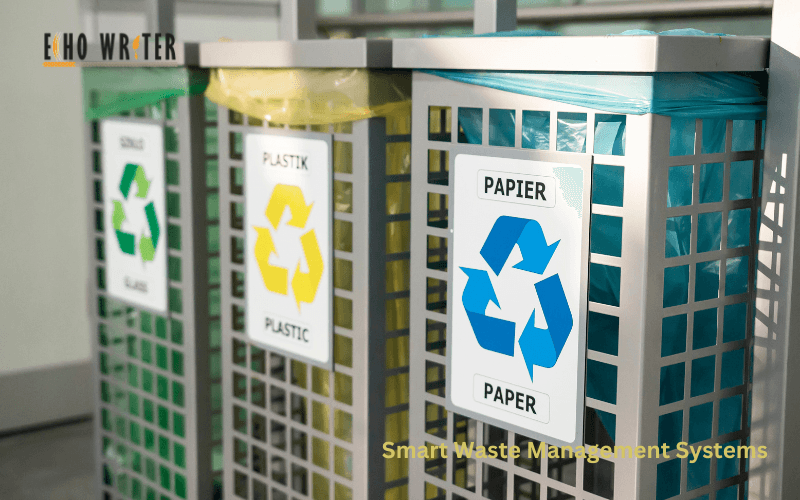
Smart Waste Management Systems
With intelligent technologies such as AI-enabled recycling systems and biodegradable packaging, Green Tech has transformed waste management. This allows the industry to reduce waste as much as possible, to recycle its products properly, and thereby minimize contribution to landfills. Such smart waste management not only supports sustainability but also promotes compliance with tight environmental standards.
Challenges of Implementing Green Tech
High Initial Investment
One of the most important barriers to the adoption of green tech is the high cost involved in procuring and installing new technologies. Such investments are often paid off over a long period, but for small businesses, finding funds to meet these requirements is not easy. To overcome this, there is a need for government subsidies, financial incentives, and innovative funding models.
Resistance to Change
Cultural resistance at the organizational level is yet another factor that might hold up the adoption of green tech. Employees and other stakeholders will not be ready to let go of traditional methods or adopt new technologies that have been perceived as unsafe. Communication, training, and examples of success cases may be used to ease the barriers.
The Future of Green Tech in Industries
Green Tech and Digital Transformation
Integration with Green Tech will change industrial operations by infusing technologies such as IoT, AI, and blockchain. Real-time monitoring and predictive analytics will make them transparent while reporting, leading to high efficiency and effectiveness of solutions. It is expected that this convergence will result in smarter and more sustainable industrial ecosystems.
Policy and Public Support
Green tech is being adopted by introducing policies and incentives by the governments of the world. With tax breaks and subsidies, green tech is being made accessible to industries. Public awareness and demand for green products will help in speeding up this shift.
Innovation and Collaboration
Future opportunities for green tech come when companies, institutes of research, and even policymakers get along. Mutual collaboration would facilitate the unveiling of more impactful technologies, which would ultimately set the earth to be even greener. Such as carbon-capture innovations as well as sustainable supply chain innovations in industrial activity would play vital roles.
Conclusion
Green tech is not something that an industry can consider as a luxury or a discretionary item; rather, it has become an absolute requirement for survival and sustainability in this fast-changing world. The Green Tech drives the transformative change in various sectors with the aid of addressing environmental challenges, operational efficiency improvement, and fulfillment of ever-changing consumer needs. However, high costs and change resistance remain to be considered as a hurdle. As industries opt for green tech, it not only helps them lead a healthy planet but also places themselves ahead in the sustainable revolution as well.
FAQs
What is Green Tech, and how does it benefit industries?
Green tech refers to technologies that do the least damage to the environment and are therefore pro-sustainability. Its advantages for industries include reduced costs, increased efficiency, and an enhanced brand reputation.
What are the major challenges in adopting Green Tech?
Its main challenges are a very high cost of investment in its setup and the lack of organizational change.
How does Green Tech contribute to combating climate change?
Green tech reduces greenhouse gas emissions through renewable energy, energy-efficient systems, and sustainable waste management, directly addressing climate change issues.
What is the future of Green Tech in industries?
In the future, Green Tech will be integrated with digital tools, enhanced policy support, and collaborative innovation that creates smarter and greener industrial ecosystems.
Which industries are leading in Green Tech adoption?
The primary sectors that are adopting green tech include energy, manufacturing, construction, and transportation.
The foundation for creating a sustainable world has been the shift to renewable energy. Renewable energies include solar, wind, and hydro sources. Reliance on fossil fuels reduces, and the impact of such energy consumption on the environment decreases. Increased interest in renewable energy indicates its strategic importance in the achievement of sustainability, including issues such as climate change, natural resources preservation, and economic growth. It is an energy system change toward the future of an efficient, innovative, and caring environment. This article focuses on how renewable energy changes industries and communities to a sustainable future.
Why Renewable Energy is Essential for a Sustainable Future
Renewable energy plays a fundamental role in ensuring long-term sustainability. It does not only reduce greenhouse gas emissions but also reshapes energy systems, promotes energy independence, and fosters innovation toward greener solutions. This would not only align economic development with the environment but also open doors towards a sustainable world. Now that the demand for clean energy is increasing, renewable energy has a great role to play in overcoming the global energy crisis while creating economic and environmental stability.
Reducing Carbon Footprints
Renewable energy significantly cuts down carbon emissions since it replaces the fossil fuel-based sources of energy. For instance, solar and wind energy generate electricity without releasing greenhouse gases. One of the primary causes of climate change is therefore reduced by renewable energy. This way, societies can reduce their ecological footprints in an active manner. With a decrease in carbon emissions, there is also a lesser negative impact of air pollution on the environment, and this will create a healthy environment for communities.
Strengthening Energy Security
Renewable energy improves energy security through the diversification of energy sources and reduction of reliance on imported fossil fuels. Solar panels, wind farms, and hydropower stations provide localized and inexhaustible energy solutions. This diversification makes countries less susceptible to geopolitical tensions or supply chain disruptions, which ensures long-term stability and sustainability. Second, decentralization reduces risk in central power generation system, meaning that energy shall be reliable.
Supporting Economic Growth
Renewable energy stimulates job and economic growth. From manufacturing solar panels to maintaining wind turbines, renewable energy is creating employment for diverse types of workers. On the other hand, investing in renewable energy sparks the development of technology that ensures sustainability while promoting the economy. Renewable energy becomes an important driver of social and economic change through encouraging entrepreneurship as well as skill improvement.
Key Renewable Energy Innovations Driving Sustainability
Technological innovation increasingly increases the accessibility and effectiveness of renewable energy for widespread implementation in sustainability, meaning such innovations not only propel more rapid adoption but can also increase energy efficiency along with reducing costs while leading to renewable energy taking core stages in global energy systems. A new era for renewable, clean energy solutions will find support in breakthroughs for more modern technology and the advanced development of energy storage.
Solar Energy Advancements
Some of the great innovations that have really come about in solar technology include bifacial solar panels and thin-film photovoltaics, which bring improved energy output and cost-effectiveness. Building materials are increasingly integrated with solar power systems, thereby forming energy-efficient structures that promote sustainability. Advancements in energy conversion efficiency make solar technology appealing for both large-scale and residential applications.
Wind Energy Innovations
Modern wind turbines are larger, more efficient, and operate in even low-wind conditions to produce power. Offshore wind farms, therefore, have become new major sources of renewable power, harnessing the oceans’ steady wind patterns in order to feed clean energy supplies to coastal communities. In this regard, designs have significantly minimized ecological disturbance in wind farms, which will help balance the integration of wind into the environment.
Energy Storage Breakthroughs
These advancements can be seen in the latest versions of batteries such as flow and lithium-ion type. These types of batteries very well address the problems associated with the variability in renewable energy sources. It ensures that the extra energy that is produced during the peak period is stored and can be delivered when needed, thereby establishing the reliability and sustainability of renewable energy.These technologies further provide the grid stabilization, ensuring power delivery even during fluctuating demand periods.
Challenges in Scaling Renewable Energy for Sustainability
Its many benefits notwithstanding, renewable energy scaling poses challenges. One of the main difficulties has been the high capital input at the beginning, structural limitations, and policy, to name a few. Solutions to these barriers necessitate multilateral efforts by key players to ensure the implementation of widespread renewable solutions.
Infrastructure Development
Building up renewable energy infrastructure requires high investments in grid modernization and the transmission system. Without upgrading the transmission systems, the widespread implementation of renewable energy may lag, thus not meeting sustainability objectives. In addition, implementing renewable energy into the already existing energy systems requires innovation to address compatibility issues and enhance efficiency in operations.
Policy and Regulatory Barrier
Inconsistent policies and regulations around regions can prevent the advancement of renewable energy projects. This is because the government will have to clearly support such policies, allowing investment into renewable energy in order for a smoother transition to sustainability. Simplification of approval procedures and incentives for green projects are required steps in order to overcome barriers and speed up the renewable energy transition.
The Future of Renewable Energy and Sustainability
Renewable energy will dominate the shaping of a sustainable world. Emerging technologies and overall efforts to combat climate change at the global level will compel the adoption of renewable energy systems in all sectors. Since innovations are accelerating, the renewable energy sector will lead the global energy transition and address pressing sustainability concerns.
Smart Grids and Digital Integration
The integration of digital technologies will optimize renewable energy use in energy systems. Smart grids make energy distribution much more efficient to reduce waste and enhance sustainability. Predictive maintenance, including real-time energy management, becomes possible with artificial intelligence and the Internet of Things through smart grids.
Global Collaboration
International cooperation plays a crucial role in fostering the development of renewable energy. It accelerates the discovery of sustainable energy solutions and their application on a larger scale. Governments, corporations, and NGOs will team up to overcome financial and technological barriers.
Conclusion
Renewable energy does not only lead towards a sustainable future, but it has become a necessity for the earth’s future. As this source of energy decreases carbon emissions, enhances energy security, and stimulates economic growth, renewable energy is crucial for developing the world into a sustainable place. Though there are hurdles that accompany this technology, it still goes ahead and innovates as global initiatives make their way to the sustainability world. Renewable energy is bright with an unlimited potential to transform the way we power our world while preserving it for the generations to come.
FAQs
What is renewable energy?
Renewable energy refers to energy derived from natural sources such as sunlight, wind, and water. Since these are naturally replenished sources, they tend to be sustainable over time.
Why is renewable energy important for sustainability?
The emission of greenhouse gases decreases when renewable energy is applied; it conserves natural resources and provides economic growth. Hence, it is very vital to our future.
What are the main types of renewable energy?
The main sources are solar, wind, hydro, geothermal, and biomass energy.
What challenges does renewable energy face?
The challenges facing this form of energy include high initial costs, limited infrastructure, and inconsistent policies that might deter large-scale use.
How can renewable energy shape the future?
Renewable energy will drive sustainable development and mitigate climate change through technological advancement, smart grids, and global cooperation.
Businesses can take up sustainable practices with a view to securing greener futures and aligning better to the global environmental goals in practice. This is because incorporating sustainable features in operations not only gives them a reduced ecological footprint but also enhances their reputation in business and ensures long-term profitability. This guide thus undertakes to explore how sustainable practices can be implemented for creating a meaningful impact upon the planet.
Why Sustainability Matters for Businesses
Sustainability has recently been one of the main components in business environments across the world. Companies nowadays have increased burdens from consumers, governments, and investors alike that demand the companies work as responsibly as possible without damaging their environments. Beyond ethics, sustainable practices have other benefits, such as operating efficiency, cost savings, and brand loyalty. The businesses that prioritize sustainability will be better prepared to comply with regulations and attract customers who are environmentally conscious.
Aligning with Environmental Regulations
More than a moral obligation, sustainability has also become a legal requirement in many regions. Governments all over the world are establishing stricter environmental policies to address climate change and reduce waste. Businesses that adopt sustainability practices are better equipped to meet these regulations, preventing fines or operational disruptions.
Meeting Consumer Expectations
Modern consumers prefer to stick with brands that care for the environment. Businesses taking up green initiatives are able to engage better with their customers and win a competitive advantage in the market. Sustainability is not a trend but a necessity for retaining customers and growing in the market.
Key Strategies for Implementing Sustainable Practices
The successfully implemented sustainable strategy should match the industry type, firm’s size, as well as objectives. To embrace this and create impacts in the long term, listed below are steps a business takes to enhance sustainability.
Reducing Energy Consumption
Cutting energy use is the heart of any sustainable practices. Companies can put resources into energy-saving technologies, shift to alternative renewable sources of energy, and measure energy use by smart systems. For example, by replacing conventional lights with LEDs and using solar panels, companies can lower energy consumption and carbon emissions very dramatically. Business practice can thus conserve resources as well as save money in this aspect.
Adopting a Circular Economy Model
A circular economy focuses on waste reduction by reusing, recycling, and repurposing. Businesses can move from the traditional linear model of consumption and disposal to a circular approach. Companies can make their products last longer, provide recycling programs, and work with suppliers who use sustainable sources to reduce their impact on the environment while providing more value to customers.
Sustainable Supply Chain Management
A sustainable supply chain is integral to the overall green strategy of any business. This means doing it right with responsible material sourcing, partnership with eco-friendly suppliers, and optimizing logistics so that it can reduce its emissions. Technologies such as blockchain can provide transparency in the sense that supply chain practices need to be aligned with the sustainability goals.
Encouraging Employee Engagement
This also implies the workforce. Companies have the ability to encourage this by offering opportunities such as carpooling, allowing employees to work from other locations, or recycling from the office. Employee buy-in is what will help provide a culture of sustainability.
Overcoming Challenges in Implementing Sustainable Practices
Benefits of sustainability are evident, though businesses often face hurdles while adopting these practices. These challenges can be understood and proactively addressed so that the implementation becomes a success.
Balancing Costs and Benefits
These come at a high initial cost; this is a challenge that scares away some firms from taking up sustainable technologies and practices. However, it normally pays off in energy-saving terms, increased efficiency, and brand loyalty to which some businesses are devoted over the long-term basis rather than short-term expense accounts.
Navigating Supply Chain Complexities
It can bring about renegotiation of contracts or seeking new partners for sustainable supply chain practices. It is an extensive process, but the end result is more open and environmentally friendly, with an operation more suitable to meet the demands of modern consumers and regulators.
Measuring and Reporting Progress
Tracking the effectiveness of sustainability initiatives can become problematic. Businesses must invest in strong data collection and reporting tools to track their own success and show they are committed to stakeholders. Regular reporting also helps identify the areas for improvement.
The Future of Business Sustainability
Sustainability is going to continue motivating the businesses for the next couple of years with developments in technologies and increased awareness among the people propelling companies to more environmentally friendly approaches.
Embracing Green Technology
Some of the breakthroughs in the future are going to shape business sustainability, such as AI-driven energy management systems, sustainable methods of manufacturing, and new solutions for renewable energy storage. Companies that adopt them will be better placed in enjoying competitive advantages while being environmentally friendly.
Collaborating for a Greener Future
Mass action will be motivated by a collaboration of business, government, and NGOs, amplifying the strength of efforts for sustainability and presenting a collective push toward global climate goals.
Expanding Consumer Awareness
As consumers become better aware of sustainability, businesses have to be transparent and answerable in their practices, offering eco-friendly products that educate customers about the positive environmental impacts.
Conclusion
The sustainable practice isn’t anymore a choice to businesses, but it now becomes a strategic imperative. Because of that, companies can serve the greater good while, at the same time, generating financial and reputational profits by using less energy for consumption, adopting the idea of the circular economy, and involving stakeholders in company activities. Businesses that lead in the principles of those concepts will be at the forefront to create a cleaner, more sustainable world to live in as sustainability becomes future-shaping.
FAQs
What does sustainability mean for businesses?
Sustainability for business is the adoption of practices that minimize environmental impact, promote resource efficiency, and ensure long-term economic viability.
Why is sustainability important for businesses?
Sustainability helps businesses cut costs, comply with regulations, attract eco-conscious consumers, and build a positive brand image.
What are some examples of sustainable practices?
Examples include using renewable energy, reducing waste, recycling materials, and promoting sustainable supply chain practices.
What challenges do businesses face in adopting sustainability?
Key challenges include high initial costs, supply chain complexities, and difficulty measuring progress.
How can businesses measure sustainability progress?
Tools available include carbon footprint calculators, sustainability reporting software and frequency audits of an organization’s process.