IoT is revolutionizing the business world in endless ways on efficiency and automation. Already, in the age of digitization, communication among devices happens in a network that allows them to share real-time data and make timely decisions. The consequence will be the making of the processes streamlined and productivity improved. To take the right amount of IoT as an impact on business efficiency and automation makes the sustainability of competitive advantages and growth worthwhile.
The Benefits of IoT for Business Efficiency
Data-Driven Decision Making
IoT enables organizations to gather enormous amounts of information. Better data helps businesses make more accurate decisions. IoT sensors and devices enable companies to monitor equipment, track performance metrics, and react to shifting conditions in real time. This gives way to better decision-making, improving operational efficiencies for businesses.
Optimizing Resource Management
The IoT optimizes the use of resources by observing consumption patterns as well as automating processes to avoid waste. For example, smart energy management in manufacturing has the ability to adjust power usage based on demand, thereby saving cost on energy and increasing sustainability in business. In the logistics department, an IoT-enabled system can predict demand and optimize the inventory in the supply chain.
Automation and IoT: A New Era for Business Operations
Streamlining Routine Tasks
Through IoT, businesses can automate mundane work that may be seen as simple but really time-consuming. For instance, IoT devices can track the machinery and automatically schedule maintenance so that the equipment will always run at maximum efficiency instead of being overseen manually. This reduces the amount of downtime and extends the lifespan of essential assets directly to their potential productivity.
Improving Customer Experiences
IoT also evolves the customer experience by enabling personalized interaction with responsive services. For example, retailers use the internet of things to track their inventories as well as predict preferences so that there can be prompt restocking in good time. This is how businesses make value-adding experiences better their customers’ satisfaction and, hence, loyalty in return.
IoT Applications Across Industries
Manufacturing and Industrial IoT (IIoT)
It has a very high adoption rate in manufacturing to monitor equipment health, quality control, and managing supply chains. Industrial IoT applications support predictive maintenance to be able to prevent any kind of unexpected breakdowns and extend the production time to a maximum level. Therefore, integrating IoT with manufacturing processes allows efficiency and cost savings in terms of safety in the workplace.
Retail and Supply Chain Optimization
In the retail industry, IoT will allow the monitoring and management of any kind of inventory in real time. With an optimized stock level, there will be a reduction in losses. Smart shelves and RFID tags with other IoT-enabled systems offer retailers the chance to track products from the warehouse to the customer. This can prove handy in smoothing out the supply chain operations to have complete visibility, error-free processes, and even changing the inventory according to demand to avoid overstocking and stocks left at hand.
Smart Office Solutions
The work environment is getting smarter and more productive with the use of IoT in the workplace. Applications of IoT in smart offices include optimized lighting as well as temperature controls besides desk management systems, which optimize energy usage with comfort. This benefits employees by yielding a work environment that is quick to respond, thereby enhancing productivity and well-being.
Challenges of Implementing IoT in Business
Data Security and Privacy Concerns
This makes business ever more difficult, primarily because a tremendous amount of exchange and collection of data occurs through IoT. Sensitivity information will be compromised, raising the costs of security for businesses in terms of protection against data breaches. Customer trust will be lost if the sensitive information falls into the wrong hands due to lapses in system security. Organizations need to implement strong security controls over risks associated with IoT.
Complexity of Integration
Integration of IoT into existing systems poses compatibility issues, puts high implementation costs, and raises technical complexity as issues. The company would require a few of the best to manage the devices and infrastructure within an IoT setup. IoT solutions need careful planning and calculation of ROI for businesses to ensure long-term benefits.
The Future of IoT in Business Efficiency and Automation
Advancements in AI and Machine Learning
The integration of IoT with AI and machine learning will further be possible to streamline it by boosting automation capacities towards a higher level that would bring more predictive and autonomous features to systems. For example, the use of IoT combined with AI-powered analytics will allow firms to predict the need for maintenance much more accurately, optimize the workflow, and proactively manage resources in various industries. The reasons behind its emergence are backed up by the fact that the integration would continue to drive smarter automations and a greater level of efficiency in various industries.
Growth of Edge Computing
Therefore, edge computing—the idea of processing data closer to where it is generated—will be a prime area in IoT’s future. Edge computing, in which latency is reduced and the amount of data transmitted to central servers is reduced, allows applications built into IoT to respond more quickly and to deliver higher performance, especially for applications that are very sensitive to time, for example, autonomous vehicles. Real-time manufacturing adjustments, healthcare monitoring, and many others will hugely benefit from this evolution.
Conclusion
IoT is revolutionizing business operations with strong efficiency and automation tools, changing the behavior of users, and unlocking new avenues to growth. With the adoption of IoT solutions into organizations, businesses will touch new skies, create an enhanced experience for their customers, and optimize operations efficiently. IoT will continue driving innovation in making businesses adaptable, data-driven, and customer-centric in the future.
FAQs
What is the role of IoT in business?
IoT enables businesses to collect data, automate the process, and enhance efficient decision-making, which establishes efficiency and higher productivity.
How does IoT improve customer experiences?
With IoT, the business would be in a position to personalize its interactions and predict needs for better experiences and higher levels of satisfaction from its customers.
What industries benefit most from IoT?
IoT applications in efficiency and automation benefit industries like manufacturing, retail, logistics, and smart office environments.
What are the security challenges of IoT in business?
Data security and privacy are a concern with IoT because it deals with sensitive data in large volumes. Businesses need to approach security measures rigidly to deter risks.
How will edge computing impact the future of IoT?
Edge computing should enhance the capabilities of IoT applications as processing is closer to the source. This should speed up its responses and drastically improve its performance on the fly.
In the constantly changing world of technology, it is IoT that has become one of the prime factors that will shape the future of intelligent houses and cities. All these multiple devices connected with IoT are virtually revolutionizing man’s interface to the world, be it an appliance in his home or part of the infrastructure of the city. Attached day by day as more and more devices are being added, it not only generates convenience but innovative and sustainable strength. This is in anticipation of completely changing the living, working, and interacting styles of life for people, enabling systems to work more efficiently and become automated.
Understanding IoT and Its Impact on Modern Living
What is IoT?
The Internet of Things, therefore, is that network of physical devices fused with sensors, software, and other technologies that enable them to interact with other devices or systems via the internet. It encompasses automation, real-time data collection, and analysis for better decision-making in various sectors. The digital and physical spheres become very well connected with IoT. Hence, it is one of the key technologies for developing modern homes and cities.
The Influence of IoT on Everyday Life
It goes beyond mere communication between devices. IoT is actually changing the quality of human life by making it better and optimizing operations throughout cities through smarter environments. From saving energy in homes to streamlining public services in cities, this technology enables the provision of information in real time. This can lead to more informed decision-making and increased sustainability, all while being maximally convenient.
How IoT is Revolutionizing Smart Homes
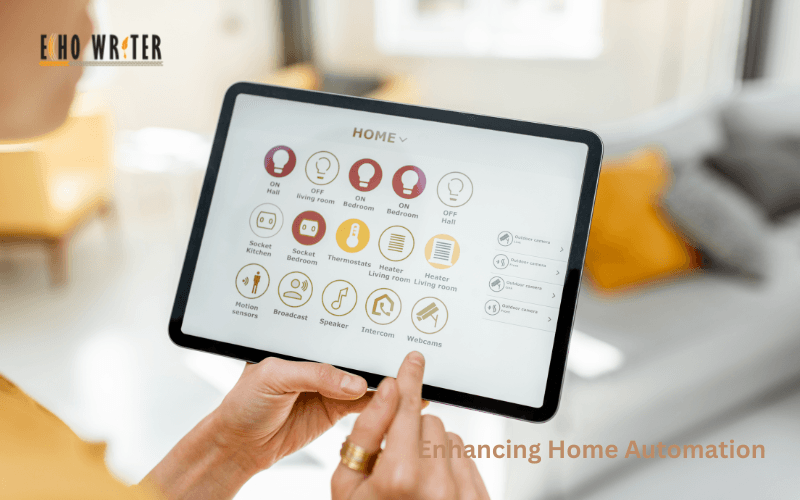
Enhancing Home Automation
The revolution of things in the IoT results in smart homes—the management of homes being transformed through the use of connected devices from thermostats, lights, security cameras, and even voice-controlled assistants to allow control over different aspects of the home remotely, be it temperature adjustment, locking doors, or just checking on the security system from one’s smartphone or another smart gadget.
Improving Energy Efficiency
IoT is the key player that aids in making energy efficient at homes. An intelligent thermostat or energy management system would learn the usage pattern and adjust energy usage in real time so that there is no waste. For example, an IoT-enabled system could switch off lights or appliances when not in use; it could also regulate heating and cooling according to the occupancy rate. There will be less energy consumption; hence, utility bills will be lower.
IoT in Smart Cities: Shaping the Future of Urban Living
Optimizing City Infrastructure
IoT is what fuels the concept of smart cities. Cities can improve the flow of traffic, measure the quality of air drawn into their limits, and handle their waste better using a network of connected sensors and infrastructure. For instance, when IoT-enabled traffic lights switch based on real-time input data about how congested a particular section is, it saves time and harmful emissions. Similarly, waste bins that contain IoT sensors inform the companies of waste collection regarding the need for pickups so that the bins never get full.
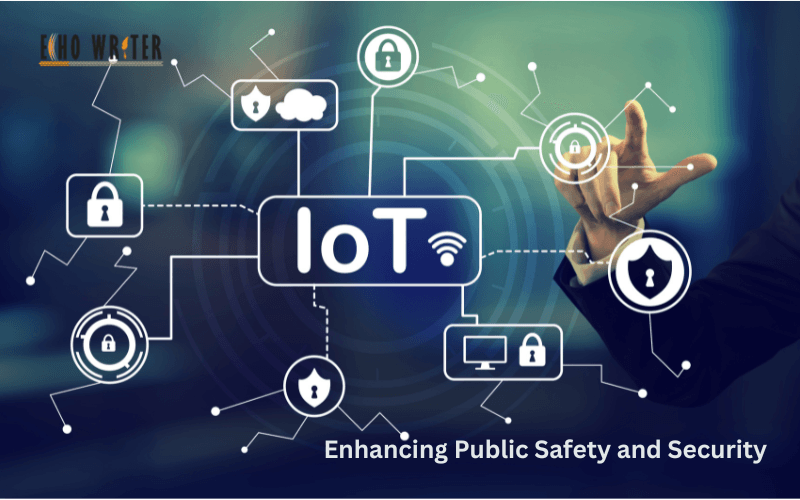
Enhancing Public Safety and Security
Public safety also falls under the scope of smart city usage of IoT. Through IoT-enabled cameras, sensors, and data analytics, incidents, such as accidents, crime, or fire breakouts, can be quickly detected and responded to. On the same note, smart surveillance can follow patterns in order to predict and prevent crimes, hence keeping the urban space safe and secure overall. The use of IoT for public safety strengthens safer, more responsive living spaces for citizens.
Challenges in IoT Adoption and Implementation
Data Privacy and Security Risks
While IoT offers multiple benefits, it also sparks concerns about data security and privacy. It may be one of the fatal flaws of IoT, where it collects vast amounts of personal data from connected devices. That can lead to potential vulnerabilities if such cyberattacks or unauthorized access into IoT networks are not protected with appropriate security measures. User data privacy must be protected and secured across devices for safe and reliable adoption.
Standardization and Interoperability Issues
Another important issue in the spread of IoT is that it lacks standardization around different devices and platforms. With so many companies now manufacturing IoT products, interoperability still seems to be a major issue. In order for IoT systems to efficiently work across different networks and devices, there has to be industry-wide standards in place that assure communication across devices from other brands and platforms without facing much interoperability issues.
The Future of IoT in Smart Homes and Cities
The Rise of 5G and Its Impact on IoT
The actual manifestation of 5G technology will ensure further acceleration in the growth of IoT, both at a smart home and a smart city. In this way, with much greater speeds and significantly lesser latency, more devices can connect and operate in parallel without any compromise in performance. This would eventually be extended toward even greater sophistication in IoT applications such as real-time remote monitoring, autonomous vehicles, and advanced healthcare solutions.
IoT-Driven Sustainability Initiatives
In the future, IoT will be the driving force for efforts towards sustainability. The dimensions can range from taking greenhouse footprints out of homes to green practices within cities. IoT technologies will be put into play regarding environments such as air quality, water usage, or even energy consumption. Such technologies will allow individuals and the urban authorities to engage in proactive steps toward a near future without climate change and living in a more sustainable environment.
Conclusion
Already nowadays, it is what is making a huge difference in how people live and interrelate with their environment. For instance, in smart homes, IoT automation enables ordinary chores to occur and be part of a person’s daily experience, whereas in urban or smart city settings, the optimization of public services gets transformed in that end. The continuous evolution of technology opens the prospect of integrating the IoT so as to enjoy an even more intelligent and efficient life. But among these challenges are, first and foremost, the data security issues that must be satisfied for full access to the benefits arising from the transformation entailed by such a technology.
FAQs
What is IoT and how does it work?
IoT generally refers to a system of interconnected devices, such as ordinary objects like the smartphone, wearables, and household appliances, combined together to provide more sophisticated functionality and automation.
How is IoT transforming homes and cities?
IoT improves automation, energy efficiency, and security in homes and adapts infrastructure in cities, adds public safety, and enables environmental sustainability with connected sensors and devices.
What are the security risks of IoT?
This means that if the networks are not well secured, cyberattacks or data breaches can pose a threat to the networks, thus compromising the private affairs of users on these networks due to the large amounts of personal data that IoT devices collect.
How will 5G enhance IoT applications?
5G promises to bring higher speeds and lower latency, which enables IoT devices to make their functionality optimized for real-time applications and for handling many devices simultaneously without losses in performance.
What are the future trends of IoT?
IoT, further integrated with 5G technology and with its increased base of working power for sustainability efforts, will mean increased effectiveness in living with an improved quality of life in the connected smart house and city.
IoT stands for Internet of Things and is literally changing the way we interact with devices as well as how these devices interact with one another. Within a decade, by 2025, connected devices are estimated to reach every nook of life and will produce efficiency, innovation, and ultimate connectivity. Most importantly, IoT trends are very crucial for businesses and individuals alike to outplay their competitors in such a hyperconnected world.
The Importance of Staying Updated on IoT Trends
With the growing IoT technology, innovations come forth through various aspects such as smart cities, healthcare, and so much more. Businessesh the top trends transforming the future in IoT. and individuals need to follow the trends that are going to hit in the field of IoT so that they can win as many opportunities that come their way, inform their decisions, and avoid possible risks. Here we go with the top trends transforming the future in IoT.
Overview of IoT Trends
Defining IoT and Its Impact on Connected Devices
The term IoT stands for a network of devices that intercommunicate and share data among themselves. Devices forming the Internet of Things can, therefore, optimize tasks in everyday life, streamline industrial processes, and offer enhanced customer experiences with regard to improved connectivity and sensor technologies.
Key Drivers Behind IoT Innovations
Factors such as 5G connectivity, edge computing, AI integration, and the emergence of wearable technology are multiplying the rapid momentum of IoT. It is due to all these aspects together that IoT devices can work more efficiently, be faster, and continue much more complex data processing.
Top 10 IoT Trends to Watch in 2025
Rise of 5G-Powered IoT Applications
With 5G networks expanding coverage, IoT devices will reach a brand new connectivity, speed, and data transfer frontier. Enhanced connectivity will foster innovations from automotive to telemedicine, where devices are operated in minimal latency with much better real-time responsiveness.
Increased Adoption of Edge Computing
Edge computing is being used to bring the computation closer to the source of data; it reduces latency and develops real-time decision-making ability, especially in smart manufacturing and traffic management applications. Further industries will need to embrace edge computing for optimized IoT efficiency with bandwidth savings until 2025.
Expansion of IoT in Healthcare
With IoT gaining fast acceptance in healthcare to make real-time monitoring possible, remote consultations feasible, and information-driven insights available, wearables, connected implants, and home monitoring systems are playing a vital role in providing better outcomes for patients. Clearly, the incorporation of IoT in health care will not only improve but also advance by 2025 for better diagnostics and personalized treatment.
AI Integration with IoT Devices
With the AI integrations, the IoT devices have also become more functional. Devices are now set to gauge and act on the data collected without requiring human intervention through AI. AI makes industries like agriculture, logistics, and retail automate processes, reduce breakdowns of equipment, and improve customer experiences by 2025.
Enhanced IoT Security Measures
As IoT networks expanded, the security threats too were emerging. Cybersecurity in IoT would advance with multi-factor authentication, AI-based threat detection, and blockchain-based solutions by 2025, securing the connected devices. Higher levels of security measures will protect data users’ data and the integrity of the IoT ecosystem.
Growth of Smart Home Ecosystems
The next emerging field is smart home technology, which has grown very rapidly due to devices associated with IoT like voice assistants, smart thermostats, and connected lighting. Smart homes will control every aspect of your living environment using connected devices and make lives more convenient, energy-efficient, and secure by the year 2025.
Development of Autonomous Vehicles
It integrates the IoT into autonomous vehicles, begins to really process data in real-time, and brings safer transportations efficiently to the roads. With connected sensors and AI-powered analytics, this vehicle will be able to communicate with another vehicle, responding to changes in road conditions. Annotate one of the said trends and predict developments concerning the autonomous driving of your car by 2025.
Expansion of IoT in Retail
Retailers are increasingly harnessing the IoT for smart inventory management, deep customer insight, and personalized marketing. Through 2025, retail IoT will also promise an immersed shopping experience with features ranging from the automation of checkouts to smart shelves tracking stock levels in real time, enabling retailers to fine-tune their operations and make customers smile.
IoT-Driven Industrial Automation
Industrial IoT (IIoT) is revolutionizing manufacturing by making automation, predictive maintenance, and data-driven decision-making possible. Industry will opt for more IIoT solutions by 2025 to add to the industry’s ability to increase productivity, optimize supply chains, and bring down operating costs so that the manufacturing system is more efficient and resilient.
Environmentally Sustainable IoT Solutions
The applications of IoT now focus on sustainability, and devices are designed to monitor environmental impact and save energy in usage. By 2025, IoT solutions in these three segments—agriculture, energy, and waste management—will considerably contribute to environmental sustainability as well as help solve the climate change challenge problems.
Challenges and Considerations in IoT Adoption
Addressing Security and Privacy Concerns
While IoT definitely provides many benefits, it is also associated with security and privacy risks. Therefore, organizations must ensure the safety of the IoT networks, encrypt the data, use best practices for managing user information and thwart cyber threats.
Managing Data Overload and Storage
IoT devices produce a huge amount of data. Proper management and storage of this data is a big challenge. The organization would need effective data management strategies coupled with the use of cloud and edge computing solutions that can handle and analyze big data effectively.
Interoperability Among IoT Devices
For seamless IoT ecosystems to work, there needs to be talk between devices from different manufacturers, so this allows communication across boundaries. Standardization of protocols and interoperability shall form the bedrock of the entire realization of complete connectedness in the IoT landscape.
The Future of IoT Beyond 2025
Advancements in Quantum Computing and IoT
Enlargements in data processing will be the inputs shaping the course of IoT to become a new dimension through quantum computing. Quantum technology is still under advancement, and the processing of large-scale complex computations by IoT systems is faster compared to conventional computing, hence more unimaginable real-time data analysis and predictive modeling.
IoT and Blockchain for Enhanced Security
Another excellent aspect of blockchain technology is the great potential for improvement in the security of IoT through decentralized, tamper-proof, and secure systems. It will combine to further enhance the integrity of data and user privacy, making secure communication viable across IoT networks in the future.
Conclusion
By 2025, the horizon of the IoT will remain in a state of constant, drastic change affecting virtually every industry and thus the world at large. It is prudent that businesses and individuals continue to keep abreast of these trends to exploit these efficiencies, connectivity, and new advantages to make the world more sustainable and connected.
FAQs
What is the Internet of Things (IoT)?
The term Internet of Things (IoT) refers to a network of related devices as they talk to one another, share data, and therefore allow the automation and real-time monitoring of various applications.
Why is IoT important for businesses?
IoT enables business processes by streamlining operations and enhancing information-based decision-making in order to deliver a better customer experience.
How does 5G impact IoT development?
5G provides increased speeds and minimal latency, and it’s facilitating far more responsive and reliable IoT applications where such functionality matters—autonomous driving or remote monitoring, for example.
What are the security challenges with IoT?
IoT networks are still exposed to data breaches and unauthorized access; therefore, more enhanced security, encryption, and blockchain technology are very crucial in protecting these networks.
What role will AI play in the future of IoT?
AI will bring enhancements in all aspects in terms of real-time analysis, maintenance prediction, and autonomous decision-making, which are expected to make the IoT devices work more intelligently and efficiently.
Enterprise technology forms the very core of business operations and growth strategies of all industries. Along with its rapid pace, cybersecurity threats have simultaneously also risen, and the deep insight coupled with effective robust security measures demands from enterprises for protection of digital assets, customer data, and intellectual property that forms the basis for sustainable growth.
Importance of Cybersecurity in Enterprise Technology
The greater the dependence of companies on digital tools and infrastructure, the stronger is the demand for cybersecurity. Currently, from client information to proprietary data, organizations are sitting on a treasure trove of digital assets they need to protect against cyber attacks. Cybersecurity has graduated from being a responsibility of IT functions to being part and parcel of the overall business strategy, ensuring stability and integrity in modern enterprise technology frameworks.
Key Cybersecurity Challenges in Enterprise Technology
Evolving Cyber Threat Landscape
The advancement in enterprise technology does change, seemingly morphing and evolving over time with cyber threats. They now make use of much more sophisticated attacks, like AI-based attacks and phishing schemes, to maneuver around vulnerabilities in enterprise systems. Enterprises must stay aware of this constant evolution in threats and continuously upgrade their measures of security to keep the pace.
Insider Threats and Human Error
Management of insider threats and human error is one of the significant challenges in maintaining cybersecurity. Employees, unwittingly, are targets of phishing attacks or unintentionally reveal sensitive information. Implementing regular training programs helps staff recognize potential threats and therefore minimize risks, thereby strengthening the overall cybersecurity framework within the enterprise.
Cybersecurity Solutions for Enterprise Technology
Multi-Factor Authentication (MFA)
Multi-factor authentication is one of the elementary elements that comprise firm cybersecurity at enterprise technology. It makes it such that the person has to authenticate himself in more than just one way, for example, by using a password and then an additional authentication code to prevent unauthorized access.
Advanced Firewalls and Intrusion Detection Systems
High-class firewalls and intrusion detection systems (IDS) must be in place to defend sensitive data from an enterprise. Intrusion detection helps monitor incoming and outgoing network traffic for suspicious or malicious activity to protect the enterprise. Most of these solutions can improve the ability of an enterprise to detect a threat and respond to it in real time.
Regular Security Audits and Vulnerability Assessments
Entering into regular security audits and vulnerability assessments enables enterprises to detect and correct possible gaps in security within their systems. Organizations can often catch issues early and act on them before they mushroom into big risks. Thus, enterprise technology stays secure and resilient.
Best Practices for Cybersecurity in Enterprise Technology
Implementing a Zero Trust Model
The Zero Trust model then follows the idea that, by default, no user and no device, either within the network or outside it, shall be trusted. Through strict identity verification for all users trying to access resources, Zero Trust increases the security for enterprise technology infrastructures by a significant degree.
Encrypting Sensitive Data
Encryption is very much required to protect sensitive information both in motion and at rest. Data encryption ensures that, even if data is intercepted, no one else can read or use that data other than the intended recipient. Encryption is a cybersecurity measure that is to be incorporated into the daily operations of an enterprise.
Regular Employee Training on Cybersecurity
Employee training is one obvious way through which enterprises can prevent potential cyber incidents regarding their enterprise technology. Educating employees on how to detect phishing emails, the security of login credentials, and best practices for security may reduce many vulnerabilities attributed to human error. Ongoing employee training leads to an organizational culture that places much emphasis on cybersecurity awareness.
Future Trends in Enterprise Cybersecurity
Artificial Intelligence for Threat Detection
AI and ML hold immense importance in cybersecurity. They can help organizations get faster detection and response to attacks. These technologies allow examination of massive data for real-time identification of unusual activities and potential risks and enable organizations to address security-related incidents as quickly as possible.
Blockchain for Enhanced Data Security
Blockchain technology brings a secure and decentralized framework that can extend data security in enterprise technology environments. Thus, by adopting blockchain, enterprises will enjoy the benefits of more transparent and tamper-resistant data—an additional layer of protection for cyber threats.
Conclusion
With increasing dependence on enterprise technologies, securing digital assets and systems has assumed importance in protecting business operations and retention of customers. Cybersecurity is an evolving field; it needs continuous improvement to address the latest threats. Enterprises can safeguard their technical infrastructure and build a secure future through the development of appropriate security practices, multilayer authentication and regular training of employees.
FAQs
What is the role of cybersecurity in enterprise technology?
Cybersecurity is defined as the protection of digital assets, data, and operations from being accessed and affected by unauthorized people using enterprise technology systems.
Why are insider threats a concern in enterprise technology?
Most insider threats are due to human error, which may lead to disclosures even of sensitive information or even to unauthorized access training of employees, which is essential.
What is the Zero Trust model in cybersecurity?
Zero Trust requires strict identity authentication at every point from the user or device, giving no room for default trust to significantly improve the security of the enterprises.
How can AI improve cybersecurity for enterprises?
AI can scan massive data sets for anomalies, making great tools in real-time threat detection and response, which fortifies cybersecurity defenses.
Why is data encryption important in enterprise technology?
Data encryption will ensure that everything read by the intercepted, sensitive data is unreadable; hence, businesses are provided with an additional layer of protection.
Cloud computing has fundamentally changed enterprise technology in today’s digital-first business environment. Today, companies of all types are looking for cloud solutions to enable them to streamline various business processes, be more flexible and agile, and reduce costs. Currently, businesses can scale their infrastructure dynamically as various cloud services expand at a breakneck pace, thus meeting the changing needs without large investments in physical assets.
Benefits of Cloud Computing in Enterprise Technology
Enhanced Flexibility and Scalability
One of the major advantages cloud computing brings to enterprise technology is its adaptability to changing loads. Cloud platforms enable businesses to scale their resources up or down according to needs and therefore allow organizations to consume resources during peak hours with maximum efficiency yet to retain control over operation costs during off-peak hours. Such agility is of significant relevance to any enterprise looking to survive in the highly competitive business arena.
Cost-Efficiency and Reduced Capital Expenditure
Transitioning to cloud-based infrastructure greatly reduces the need for front-loaded investments in physical servers and hardware. Thus, by choosing cloud services, an enterprise pays only for the resources used; capital expenditures become workable operational expenses. For business houses that do not want to waste innovation itself on waging constant battles related to massive hardware systems, this kind of financial flexibility will be invaluable.
Key Cloud Computing Models in Enterprise Technology
Infrastructure as a Service (IaaS)
IaaS is the provision of virtualized computing infrastructure as a service. This means that companies can manage and allocate it according to their needs. In this environment, the different controls of operating systems, storage, and networks are fully under the control of enterprises, giving them the highest level of personalization and flexibility. For organizations that require tremendous computing power and yet have no physical infrastructure in place, IaaS is therefore the most ideal solution.
Platform as a Service (PaaS)
PaaS is essentially a fully-fledged development and deployment environment in the cloud that can facilitate an enterprise to build, test, and run applications much more efficiently. The PaaS model does not require developers to know about the underlying infrastructure, thus accelerating time-to-market and reducing complexities associated with managing applications.
Software as a Service (SaaS)
SaaS is the provision of applications through the internet, thus exempting the need for enterprises to install or manage and update their software locally. Solutions for SaaS are usually subscription-based, providing companies with access to the latest features and updates without extra costs, making them an indispensable part of modern enterprise technology.
Impact of Cloud Computing on Business Operations
Data Storage and Accessibility
It revamps data storage with the opportunity of massive corporate information storage in secured remote locations. Critical data and applications can now be viewed from anywhere with an internet connection, so they do not need to be worked from a fixed location, which can support remote teams. More accessible data enables companies to work correctly without problems in several locations.
Disaster Recovery and Business Continuity
Cloud computing, with its reliable backup solutions for businesses, avoids data loss due to potential disruptions or cyberattacks. Disaster recovery solutions based on the cloud help the organization to ensure the fast restoration of critical information and minimize downtime with continuity, more so in organizations geared towards maintaining data integrity without costly interruptions.
Enhanced Security Measures
Leading cloud service providers use high-grade security methods, including encryption and multi-factor authentication, as well as undergo regular audits to ensure that all confidential information is secure. So if data security is an issue for enterprises, they can rest assured knowing that upgraded features that would cost thousands to implement in-house automatically come through the cloud service.
Challenges in Adopting Cloud Computing in Enterprise Technology
Data Privacy and Compliance Concerns
With increasing sensibilities and complexities around data privacy and regulatory compliance, issues come into the picture with this transition. Ensuring that cloud providers are compliant with data protection regulations in jurisdictions such as GDPR and CCPA ensures no legal perplexities and complexities. Obtaining and maintaining compliance is important for trust and avoiding penalties among users.
Vendor Dependency and Lock-In Risks
In general, adopting cloud services bonds an enterprise to a particular vendor, making the migration to another vendor a challenge in case services or even pricing structures change. Vendor lock-in thus hinders agility and may impact short-term and long-term enterprise strategies. And more so, enterprises should try to make careful choices about their cloud vendors and think of multi-cloud strategies to deal with these risks.
Latency and Downtime Concerns
While reliability is highly achievable, high latency or unplanned downtime may still present operational challenges to the cloud providers. This would impact the performance and user satisfaction of businesses running in real-time data processing. This then calls for adequate backup systems as well as companies that offer uptimes in proven track records.
Future of Cloud Computing in Enterprise Technology
Growth of Hybrid and Multi-Cloud Environments
In the future, enterprise technology will be hybrid or multi-cloud models, allowing businesses to better serve their needs from a mix of private and public clouds. Hybrid and multi-cloud approaches will be flexible and will enable enterprises to discover where specific workloads are best served, thus leading to efficiency as well as resilience.
Integration of AI and Machine Learning in Cloud Computing
There is a strong expectation that, with the advent of artificial intelligence and machine learning in cloud computing, businesses will see better data analytics and more predictive capabilities and automation. With AI-powered cloud solutions, the ability of an enterprise to find patterns, optimize workflows, and make data-driven decisions helps to add significant value to business operations.
Sustainability and Green Cloud Initiatives
As environmental concerns rise, cloud providers have become increasingly sustainable, such as via the use of renewable energy sources for data centers and increased efficiency in using energy. For the carbon-conscious enterprise, that then selects a green-friendly cloud vendor will serve the customer’s additional objective of contributing to a greener economy.
Conclusion
Cloud computing has emerged as the pillar of enterprise technology, today transforming the way businesses operate and interact with data. It will enable organizations to achieve flexibility, cost efficiency, and security through solutions from the cloud, thereby being competitive in such a continuously evolving marketplace. Therefore, advancements in cloud computing will eventually empower enterprises to innovate, adapt, and succeed in an increasingly digital world.
FAQs
What is the primary benefit of cloud computing for enterprises?
Cloud computing ensures scalability, and enterprises can accordingly increase or decrease the use of resources for operations. This makes it easier for business organizations to control costs and improve operating effectiveness.
How do cloud services improve data security?
The major cloud providers have excellent security measures such as encryption and multi-factor authentication to prevent unwarranted access to sensitive data.
What is the difference between IaaS, PaaS, and SaaS in cloud computing?
IaaS provides virtualized infrastructure, PaaS offers development platforms, and SaaS delivers software applications through the internet. Each model caters to a different need in the enterprise.
Why is hybrid cloud important for enterprises?
Hybrid cloud enables businesses to integrate public and private clouds in the best possible way. It provides flexibility, high performance, and even ensures compliance with specific regulatory needs.
How can businesses ensure cloud vendor compliance with regulations?
Enterprises must verify that cloud providers comply with various certifications, such as GDPR and CCPA, which will at least meet all the relevant standards and norms set by regulations.
The Rise of Enterprise Technology in the Digital Age
Enterprise technology has assumed a very important position in restructuring the business environment, and organizations look for better efficiency, innovation, and an improved customer experience. Embracing the latest enterprise technology trends has become indispensable in moving forward the pace of most organizations. Whether it is cloud computing or AI, appropriate technological tools make the businesses optimize their practices in line with a fast-changing market environment.
Why Digital Transformation is Key for Businesses
With high customer expectations and stiff competition, in recent years, digital transformation has found its place as a strategic priority for organizations working in all industries. Enterprise technology will allow companies to streamline their processes, make data-driven decisions, and provide personalized services. The digital shift makes a better engagement with the customers but also enhances operational resilience and efficiency.
Key Enterprise Technology Trends Driving Digital Transformation
Artificial Intelligence and Machine Learning
Artificial intelligence and machine learning are at the forefront of enterprise technology, leading the charge in automation and predictive analytics as well as data processing. Through these types of technologies, companies can process large amounts of data, make sense of what customers do, and automate often repetitive jobs. AI-powered solutions also enable advanced decision-making so that companies can respond more effectively to changes in the market.
Cloud Computing and Hybrid Cloud Solutions
Cloud computing is changing the face of business with scalable storage, remote access, and better collaboration. Hybrid cloud solutions combine on-premises infrastructure with public and private clouds to help businesses balance security, scalability, and cost-efficiency. Flexibility is important for organizations looking to stay agile and responsive in a competitive market.
Internet of Things (IoT) for Enhanced Connectivity
IoT will connect the physical world to the digital network, hence enabling the exchange and real-time monitoring of data. At the enterprise level, IoT will also enhance the management of the supply chain, predictive maintenance, and hence follow-up on resources. Businesses, through IoT devices, can find deeper insights into operational efficiencies and identify possible issues before they arise. It is on this trend that companies are likely to continue to focus on connectivity.
Blockchain for Secure Transactions and Data Integrity
Beside cryptocurrencies, blockchain technology is used in several secure transactions and supply chain management applications. Blockchain enhances data integrity and increases transparency based on a decentralized and tamper-proof ledger across all business operations. The use of blockchain by any organization opens up a door for consumer trust while providing easy traceability and simplification of complex processes, such as in the finance, logistics, and healthcare sectors.
Cybersecurity Innovations for Enhanced Protection
This calls for a strong cybersecurity system as businesses nowadays operate more than ever on digital platforms. Some of the important trends to protect sensitive information include Zero Trust architecture, AI-driven threat detection, and advanced encryption techniques. The above security features will enable businesses to protect their virtual assets with diminished vulnerability windows while ensuring all business operations are compliant with regulatory standards.
Robotic Process Automation (RPA) for Workflow Efficiency
RPA saves businesses from routine, rule-based activities; therefore, organizations free more human resources to perform complex tasks. By adding RPA to business work processes, businesses improve accuracy, reduce processing time, and reduce operational costs. Most crucially, RPA involves sectors such as finance and healthcare and manufacturing, since efficiency is paramount in these sectors. With time and growth, RPA technology will be even more user-friendly.
5G Connectivity for High-Speed Digital Operations
The 5G technologies represent a good future in redefining enterprise connectivity by improving its speed, low latency, and bandwidth. This better connectivity helps support real-time data processing for connected IoT devices and remote working, whereby businesses can function efficiently as well as have organizations ready to respond quickly towards market demand. With the ever-expanding 5G infrastructure, industries shall have more dependable and speedy digital interaction.
Data Analytics and Big Data Solutions for Strategic Insights
Data analytics and big data technologies form the gateway to any organization, which depends on deriving actionable insights out of large chunks of data. Such technologies enable them to make informed decisions with some advance warnings regarding market trends and optimize operations accordingly. Big data solutions help organizations identify patterns in customer behavior so as to refine marketing strategies and improve their processes on product development.
The Role of Enterprise Technology in Shaping Future Business Landscapes
Creating Data-Driven Organizations
Enterprise technology can make a business data-driven by allowing growth through insight. Through AI, big data, and analytics, a firm can gain critical information about its customers, competitors, and trends. Through such an approach, businesses will gain a sense of real-time data and improve their agility to changes happening in their industries.
Fostering Collaboration and Remote Work
Advanced enterprise technology is the accelerant for remote work, and, therefore, companies apply technologies such as cloud computing, open communication platforms, and collaboration software in ways that transform how teams can collaborate together. This trend raises productivity, reduces operational costs, and eventually enables businesses to tap into a more global talent pool. As enterprise technology continues evolving, it is going to provide businesses with flexible and effective methods of collaboration.
Driving Innovation and Competitive Advantage
Innovation can today be considered among the many key factors that help differentiate within a competitive marketplace. It unlocks new growth opportunities by streamlining processes, thereby providing value for customers. Through AI analytics, IoT, and RPA integration, firms can achieve long-term success.
Overcoming Challenges in Implementing Enterprise Technology
Managing Change and Employee Training
New technologies adopted rapidly call for changes in workflows and organizational structure. A good amount of employee training and support goes a long way to ease the transition and maximize value from new tools. Organizations that make investments in change management initiatives are likely to succeed better with respect to digital transformation.
Balancing Cost and ROI
Enterprise technologies are very expensive investments, which is also a kind of burden for small and medium-sized businesses. Balancing of costs will be addressed by businesses in terms of evaluating the need to acquire specific technologies, prioritizing high-impact solutions, and evaluating ROI. Substantial benefits will emerge from strategic investments in technology. Growth and efficiency accrue over time.
Future Outlook: How Enterprise Technology Will Continue to Evolve
Integrating Artificial Intelligence Across Operations
There are numerous continued applications of AI in enterprise technology that will arise from beyond data analysis to marketing automation, supply chain optimization, and even customer service. As AI continues to mature and reach maturity levels, its application across the different functions of business will be smoother as it integrates to the advantage of increased capability and strategic benefits.
Advances in Cybersecurity for a Secure Digital Future
With malware mutations continuously happening in cyberspace, businesses shall adopt protection measures on data with great sophistication through cybersecurity approaches such as AI-driven threat intelligence. Pro-activity in cybersecurity matters is a great necessity for businesses interested in trust and safely doing their digital operation.
Conclusion
Enterprise technology trends are what businesses should consider if they expect to win in such a competitive market. Business and industry leaders will unleash more opportunities for growth, improve operational efficiency, and deliver improved customer experiences through embracing AI, cloud computing, IoT, and other emerging tools. Exciting times in enterprise technology mean endless opportunities for success for those who innovate and adapt.
FAQs
What is Enterprise Technology?
Enterprise technology refers to the digital tools and solutions that are designed to improve business processes, productivity, and decision-making across organizations.
Why is AI important in enterprise technology?
AI allows businesses to automate processes, analyze data at scale, and make informed decisions, which improves efficiency and drives innovation.
How does cloud computing benefit enterprises?
Cloud computing delivers scalable storage, improves collaboration, and brings down costs and is therefore a suitable tool for firms that intend to have flexible and effective operations.
What are the main challenges in implementing enterprise technology?
Common challenges include managing change, training the personnel, and balancing the cost incurred for implementation with the expected ROI.
How will 5G impact enterprise technology?
Businesses improve their ability to communicate, transfer data, and be agile in operations with faster connectivity by 5G, supports IoT, and remote work.
The Importance of Enterprise Technology in Modern Business
Enterprise Technology has become the main thrust of innovation and efficiency in the modern business world. As we go into 2024, companies rely more on advanced tools and systems to streamline operations, enhance customer experience, and ensure sustainable growth. Organizations seeking to be competitive in a rapidly evolving market need to understand how Enterprise Technology affects business operations.
Defining Enterprise Technology
Enterprise Technology refers to digital solutions that enable complex business operations. These range from cloud computing and data analytics, artificial intelligence, cybersecurity among others. The technologies will help the organizations automate, provide insights on data, improve collaboration, among other things essential to efficiency in operations.
Key Trends in Enterprise Technology for 2024
The Rise of AI-Driven Automation
Usage of AI-driven automation is changing the way businesses perform more mundane, time-consuming tasks. By adding machine learning and predictive analytics to its workflow, it enables companies to make appropriate improvements with fewer chances of human errors as resources are freed for more strategically oriented business functions. In 2024, organizations will continue to extend their consumption of AI-driven solutions in order to accelerate their decision-making processes and improve productivity.
The Shift Towards Cloud-First Strategies
Scoping and cost-effectiveness characterize enterprise technology reshaped by cloud computing towards data storage and application management. The adoption of a cloud-first strategy offers the opportunity to access data and resources from anywhere, hence scoping flexibility and teamwork. Therefore, companies willing to adopt cloud strategies in 2024 can experience better resilience, security in data, and scalability of operations.
Enhancing Security with Advanced Cybersecurity Measures
In 2024, businesses rely more significantly on digital platforms and hence implicitly give high precedence to cybersecurity. Advanced tools for cybersecurity, like AI-powered threat detection and zero-trust architectures, are included in the enterprise technology scope. The results these offer organizations are early defenses against cyber threats, safeguarding sensitive data, and maintaining regulatory standards in place.
The Role of Enterprise Technology in Business Operations
Streamlining Supply Chain Management
One key role of enterprise technology in optimizing supply chains is offering tools such as enhanced transparency and efficiency. Software solutions advance shipment tracking, bettering the management of inventory and supply of demand. Organizations that integrate these technologies into their supply chain processes will be able to reduce costs, improve delivery times, and better adjust to market fluctuations.
Enhancing Customer Relationship Management (CRM)
Customer relationship management is the most important thing needed to build and maintain strong relationships with customers. In 2024, AI- and machine learning-powered CRM systems enable companies to personalize interactions, predict customer needs, and increase satisfaction. Enterprise technology in CRM creates seamless, engaging experiences that boost loyalty.
Improving Employee Collaboration and Productivity
This enterprise technology will enable remote work, cross-departmental collaboration, and streamlined communication. Tools like video conferencing, project management platforms, and collaborative software are now indispensable in increasing the ability to be productive and for teamwork. In 2024, companies would focus on investing in these technologies that will support hybrid working environments, with employees connected and productive regardless of their location.
Boosting Operational Efficiency Through Automation
Automation tools in enterprise technology enable firms to carry out routine operations without much sweat, thus finding employees extra time for real important jobs. For instance, the automation of data entry, reporting, and workflow management minimizes labor as its power ensures low operational costs and accuracy, but businesses can realize their potentials by performing more productive work when automation is incorporated into their processes.
Enhancing Financial Management and Compliance
Enterprise technology changes the management of finance by providing the right tools to ensure accurate budgeting, forecasting, and compliance tracking. Solutions in financial software help organizations improve their billing cycle while monitoring their expenses and adherence to regulations. In 2024, organizations can look forward to improved accuracy and transparency as well as reduced risk of failure to comply with the law.
Challenges in Implementing Enterprise Technology
Overcoming Resistance to Change
Sometimes, the employees resist a change brought in by new technology as they easily get used to traditional processes. Organizations must then work out these challenges by providing training as well as support mechanisms to ensure seamless integration. Adaptation culture will go ahead and make it easier for enterprise technology to be integrated into business operations.
Managing Data Privacy and Security Risks
As more data is accumulated by Enterprise Technology, this data will need to be guarded. Companies will have to invest in tighter security measures to protect the sensitive data that companies have collected about them. In the year 2024, organizations shall have to try hard to maintain the confidence of the people and avoid legal action.
Balancing Costs with ROI
For the most part, the advanced technology solutions entail huge investment costs, so organizations need to ensure that their return on investment is high on these enterprise technology solutions. This means that the solution needs to bring genuine benefits for an enterprise. Choosing such technologies in a strategic manner helps a business maximize the outcome of its investments.
Future Outlook of Enterprise Technology
Integration of Emerging Technologies
The inevitable rise of established integrated emerging technologies: AI, blockchain, and IoT. We see enterprise technology continue to evolve in this regard. This convergence will allow businesses to craft innovative solutions that enhance efficiency and competitiveness. New relevant information about emerging technologies will then become important for organizations looking to keep their lead in terms of industry trends in the following years.
Expansion of AI-Driven Analytics
The use of more intense AI-driven analytics can then provide deeper insight. Enhancements in predictive abilities to understand markets, behaviors about customers, and working activities are then achieved as they provide the means for effective decision-making.
Increased Focus on Sustainable Practices
World businesses have gravitated toward a mainstream quest for sustainability. Enterprise technology can be a facilitator toward sustainability through optimized resource use, waste reduction, and energy consumption. Companies embracing sustainable solutions in technology will therefore be in an ideal position to meet environmental standards and access eco-sensitive consumers.
Conclusion
Enterprise technology is changing the way businesses are conducted by increasing efficiency, innovation, and data-driven decision-making. Going into 2024, businesses can take up such technologies to improve operational performance, customer satisfaction, and sustainable growth in their organizations. To be ahead of the rising digital tide, stay well-informed of these new trends and employ enterprise technology wisely to ensure long-term success and resilience.
FAQs
What is Enterprise Technology?
Enterprise technology refers to the digital technologies and systems implemented to make it easier and simpler to conduct some of the more complex functions involved in business like management, automation, and cybersecurity.
How does Enterprise Technology improve business operations?
Enterprise technology makes the business operational in different ways. Task automation is one way through which it makes the business operational. It improves collaboration; the system gives insights for proper decision-making, hence increasing efficiency and productivity.
What are some examples of Enterprise Technology?
Some examples of enterprise technology include AI-driven analytics, cloud computing, CRM systems, cybersecurity solutions, and automation tools.
Why is cybersecurity important in Enterprise Technology?
Cybersecurity forms an integral part of any enterprise technology that would protect sensitive data, prevent cyber threats by cyber acts, and maintain the operational integrity of the system and the trust of its stakeholders within the regulatory requirement.
How can businesses overcome challenges in adopting Enterprise Technology?
The way forward for businesses to resolve challenges is through employee training, a strong security implementation, and evaluating the ROI technologies for their alignment to the goals of the organization.
Emerging technologies play a crucial role in the transformation of industries as well as the improvement of everyday life in an increasingly digital world. As they open new avenues toward innovation, these technologies, in turn, change what was once healthcare and finance, education, and now even entertainment. It’s by understanding emerging technologies that businesses and individuals can deploy them to be more productive, efficient, and effective problem solvers.
Why Beginners Should Explore Emerging Technologies
Whether you are an old business professional, a tech geek, or just an employee, understanding the very basis of emerging technologies becomes very important in order not to be out of sight for the rest of the competitive folks. Because change always speeds up, knowing and catching up on these changes would be a key step forward in making smart decisions when it comes to our career, keeping up with where the industry is taking things, and getting better traction on what’s happening all around us in this constant development of the tech world.
Key Concepts in Emerging Technologies
Defining Emerging Technologies
Emerging technologies refer to new innovations that are in the process of development or are about to bring major changes in the near future. Most of these technologies revolutionize current practices and create new markets, defining how we interact, communicate, or solve complex problems.
The Role of Emerging Technologies in Modern Industries
This varies from business to business at different levels, though from enhancing the data-based approach to decision-making in businesses to personalizing healthcare service delivery. It is the key player in all sectors—emerging technologies make organizations agile, improve processes, and help respond to shifting market demands. This happens beyond single companies, touching on global economic trends and change in society at large.
Types of Emerging Technologies and Their Applications
Artificial Intelligence (AI)
Art work falls among the emergent technologies categories, which include machine learning, data analysis, and natural language processing. It is best seen in health where disease diagnosis is assisted, in finance where fraud detection aids, and even in some businesses making predictive analyses for better decision-making.
Blockchain Technology
One should note that blockchain is that decentralized ledger technology that enhanced security, transparency, as well as efficiency in completing transactions. It is considerably used in the financial service sector to secure digital money while being adopted for supply chains to ensure product authenticity; blockchain applications are expanding its use in voting systems and intellectual property rights and have even been applied to recording healthcare records.
Internet of Things (IoT)
The Internet of Things connects devices to the internet, exchanges data, and automates them. IoT is widely applied in smart home devices, wearable health monitors, and industrial automation. In manufacturing, IoT allows real-time monitoring of machinery, hence improving the efficiency and reducing the downtime of a business with predictive maintenance.
5G Technology
New mobile network technology refers to 5G technology, characterized by high speed and minimal latency. These are requirements for other emerging technologies that require rapid data transmission, including autonomous vehicles and IoT devices. This technology will help in developing new applications that will revolutionize the means of telemedicine, remote work, and immersive virtual experiences in the way we interact and communicate.
Quantum Computing
Finally, quantum computing would be the solution for tough problems that could not be solved with standard computers. Though it is still in its development stages, this technology will give a massive boost to industries like cryptography, drug discovery, and tasks involving optimization by revolutionizing them completely. It seems to have good possibilities in financial, logistical, and research scientific fields due to high-speed processing needs.
Practical Applications of Emerging Technologies Across Industries
Healthcare
Advanced treatment plans, real-time monitoring, and effective medical research are the leading changes toward health care in the rising applications of emerging technologies. Better management of health care through improvement in quality and accessibility arises from applications like AI diagnostics, IoT-enabled wearable devices, and blockchain for securely managing patient records.
Finance
The finance sector has also adopted emerging technologies in the form of risk assessment, fraud detection, and transaction security. Blockchain technology provides secure transactions, whereas AI is enhancing customer services through chatbots and predictive analytics. Fintechs are using all these technologies to deliver more specific, efficient, and transparent financial services.
Education
With these advancements, educational institutions have adapted to integrate them to transform learning experiences. Some AI-based adaptive learning environments tend to focus on individual needs. Virtual reality also makes immersive learning environments available for different learners. Other emerging technologies, such as IoT, help in efficiently managing facilities for classrooms and hence improve more interactive and engaging learning environments.
Retail and E-commerce
AI and IoT enable firms in the retail industry to provide personal experiences for shopping while using targeted marketing and product inventory management. It permits retailers to predict consumer choice and manage their inventory base. Blockchain technology will assist in maintaining transparency in the chains of supply, thereby helping gain better trust with the customers themselves.
Manufacturing and Industry
Better operational efficiency within manufacturing is achieved through IoT and 5G real-time data analytics for predictive maintenance. In the process of manufacturing, robotics and automation streamline the process while AI optimizes supply chain management. It, therefore, leads to higher productivity, less waste, and a safer environment in industries.
Challenges and Considerations in Adopting Emerging Technologies
Cost of Implementation
It calls for an average high capital spend on infrastructure, as well as employee training and maintenance. Business entities must focus on the returns on investment and focus on those technologies that tend to be most aligned with their strategic goals and budget constraints.
Cybersecurity Concerns
Technologically advancing cyber threats. This implies severe cyber security for emerging technologies processing the most sensitive data involved in cyber attacks. Although blockchain is intrinsically safe, it is by no means immune to this form of threat, nor do IoT devices protect the network entirely if they are not secured as well.
Skills Gap and Workforce Training
Adopting new emerging technologies is rather swift, resulting in skills gaps. Employees currently working there will not be skilled to deal with the required areas of expertise. Organizations need to adapt training and upskilling of employees to utilize these new tools for best advantage.
Future Trends in Emerging Technologies
Increased Integration Across Technologies
The convergence of AI, IoT, and 5G gives rise to smart environments in the future, as is true for emerging technologies. The various convergences will thus lead to advanced applications like totally automated smart cities and efficient data-driven decision-making by various sectors.
Greater Focus on Ethical and Sustainable Development
With changes in emerging technologies, many industries would see the weight of their application fall under responsible application with ethical considerations that are underlined by concerns for sustainability. Development and exploitation of the technology will become focused upon respect for data privacy, environmental implications, and equality of access so the benefits come to the service of the wider society.
Expansion of AI-Driven Automation
More extensive automation with AI across numerous new fields, such as the management of customer services and supplies’ chain and complex analysis, will maximize productivity and bring a batch of new business models online. With greater organization efficiency, a corporation will look further at the innovativeness behind everything and everyone.
Conclusion
Emerging technologies impact an industry and everyday life with a great deal, allowing solutions toward making productivity and efficiency and customer experience a bit more manageable. Thus, for the newcomers, it is very important to get a basic understanding of these technologies and how they work in order to lead in a more and more digital world. It offers opportunities for individuals and organizations to lead and innovate in creating that connected, efficient, technologically advanced future.
FAQs
What are Emerging Technologies?
Emerging technologies are new inventions in a number of fields that may cause an industry to change, open up new markets, or solve complex problems by novel applications.
Why is it important to understand emerging technologies?
Knowledge of emerging technologies keeps people and organizations ahead of the curve, making better decisions, and using strategies that are well aligned with the changes happening through technology.
How can AI impact industries?
AI can revolutionize industries by automating processes, enhancing decision-making, and providing personalized experiences, thus improving efficiency and customer satisfaction.
What are some challenges in adopting emerging technologies?
Some of the challenges include having a high implementation cost and the risk of cybersecurity problems and the gap in skilled labor, which requires some investment in training and other robust security measures.
How do emerging technologies benefit healthcare?
New technologies improve health care: The new technologies enable immediate monitoring, personal treatment, and safe data management, so better care and outcomes for the patients.
Emerging technology is transforming industries and the world economy at breakneck speeds. When looking at some of the key changes from 5G to artificial intelligence and blockchain, one will realize that these emerging technologies are changing operational models, improving data processing, and fostering innovation. Businesses and individuals need to understand how emerging technologies work to maintain the competitive edge in this highly competitive market and cash in on new opportunities.
Overview of Key Emerging Technologies
Understanding 5G Technology
5G represents the fifth generation of mobile networks, with unprecedented speeds and reduced latency and, by extension, the number of devices that can be connected simultaneously. With more businesses and people adopting 5G, it will set in new levels of automation and analytics in real time, along with connected devices to drive the applications that are highly efficient and innovative.
Defining Artificial Intelligence (AI) and Its Impact
Artificial intelligence is the simulation of human intelligence by machines. So far, AI has expanded from simple automation to much more advanced machine learning and natural language processing capabilities, which allow decisions in such sectors.
The Transformative Power of 5G, AI, and Blockchain
How 5G is Reshaping Connectivity
5G technology is dramatically changing the face of connectivity, empowering fast data transfers and seamless network communication. The applications range from changing healthcare, transportation, and entertainment to remote surgery, self-driving cars, and even immersive virtual experiences. Its characteristics of high speed and low latency will unlock capabilities inaccessible to older networks and be a new benchmark for efficiency and innovation.
The Expanding Role of AI in Business
AI is actually the thrust of modern productivity and innovation. What was previously thought to be possible by combining predictive analytics and intelligent automation now can be achieved in terms of transforming the way a business operates in a finance, healthcare, or retail sector. More informed choices could be made, along with higher levels of customer satisfaction across these sectors, through the infusion of AI. Reducing operational costs by repetition jobs and the analysis of a large amount of data provides organizations with insights that open the doors to smarter business approaches.
Blockchain’s Influence on Security and Transparency
Transparency and security have now become adjectives synonymous with blockchain technology-mainly for those industries that demand the secure transmission of data. Originally a backend for cryptocurrency, blockchain has grown to become a solution to bigger business problems, secure transactions, supply chain transparency, and data integrity. Because it eliminates intermediaries and creates tamper-proof records, blockchain technology enables businesses to establish trust with clients and partners, thus making operations more smooth and complying.
Key Benefits of 5G, AI, and Blockchain on Emerging Technology
Enhanced Data Processing and Real-Time Analytics
Data processing and analytics in real time can only be made possible through this triad of 5G, AI, and blockchain. Though data transfers are high-speed via 5G, an AI algorithm processes the data for quick actionable insight. This triad ensures data has integrity, which implies there is no leakage, and especially in sensitive applications.
Improved Efficiency and Productivity
In a nutshell, AI and 5G will improve efficiency because they can automate processes that would otherwise take a significant amount of time and help reduce downtime. With 5G, businesses become more productive, have short turnaround times, and lower the operation costs since AI takes the repetitive work and 5G enables smooth communication across the globe. Blockchain technologies also streamline transactions, eradicate fraud, and create more secure data-driven business operation environments.
Security, Privacy, and Data Integrity
Blockchain brings a very secure layer to the horizon of emerging technologies, ensuring safe transactions and improving privacy. Along with AI-powered threat detection systems, sensitive information would be kept confidential, which would help build customer trust while complying with highly rigid regulatory demands. With increasing connectivity due to 5G, secure data management will protect data integrity with regard to a broad range of industries.
Future Trends and Emerging Technology Integrations
Interconnectivity Between Technologies
It is in this context that 5G, AI, and blockchain will interconnect things in ways never thought of before. It brings AI devices to 5G networks and integrates with blockchain networks to make systems highly integrated and work independently, still remaining secure. This technology synergy drives smart cities, autonomous vehicles, and real-time analytics to bring about efficient connected environments.
Evolving Business Models and Opportunities
Further maturity of 5G, AI, and blockchain will open up new sources of revenue and new service models for businesses. New markets will be created with subscription-based AI services and blockchain-enabled marketplaces. Organizations will change their thinking in terms of customer experiences, adopting predictive analytics and monetizing new business streams facilitated by these new technologies.
Conclusion
The increasing innovation from 5G, AI, and blockchain shifts the emerging technological landscape towards greater innovation with a much-enhanced emphasis on security, which offers far higher productivity across industrial settings. Businesses that engage themselves in embracing these innovations would stand in the front in gaining sustainable growth and leaving all their competitors behind in business. Hereafter organizations would need to keep on being in step with these and later would be required to be very active in bringing such new emerging technologies, where vast scope is envisioned for future use.
FAQs
What is the impact of 5G on emerging technology?
The availability of 5G supports high-speed and low-latency internet connectivity for enhancing IoT-based applications, facilitating real-time data analytics, and achieving seamless automation in every industry so that the future of connection is revolutionized.
How does AI contribute to emerging technology?
Data-driven decision making, which AI makes possible, creates further productivity as it automates tasks, handles large sums of data, and ultimately provides insights into business improvement.
Why is blockchain important in the emerging technology landscape?
Blockchain ensures secure transactions, and their transparency keeps the record tamper proof, allowing a great measure of trust over data in certain sectors such as finance and supply chain management and then healthcare.
How do 5G, AI, and blockchain complement each other?
This allows for the strengthening of connectivity, real-time analytics, and security while establishing highly efficient and connected systems suitable for modern business applications.
What future trends can we expect with 5G, AI, and blockchain?
The future trends that can be expected include interconnectivity, smarter business models, and innovative applications, including autonomous vehicles and smart city solutions, based on these technologies.
The Role of Emerging Technologies in Business Transformation
Emerging technologies continue to reshape the form of a business, accelerating innovation and efficiency while enabling a new platform for business models altogether. Continuing with the next phase in these advancements ensures that their potential is successfully leveraged by companies all over the globe to remain contemporary in their digital transformation journeys. In order to understand the emergence of technology and its impact, it also empowers organizations to efficiently navigate their way through transformation and sustained growth.
Why Businesses Need to Adapt
It has been long established that maintaining relevance in the rapidly shifting face of the modern economy can no longer simply be to keep up but rather to stay ahead with proactively taken measures embracing and adopting new emerging technologies. Firms that take the digital transformation seriously will anticipate a market need for customers or offer services much quicker with increased speed. However, the role of the technology is improving current processes to unlock new ways toward successful innovation.
Key Emerging Technologies Transforming Business
Artificial Intelligence and Machine Learning
Artificial intelligence and machine learning are the top transformative technologies changing the face of decision-making and customer engagement. Insights from AI can be used to track trends, strategize better, and make personalized experiences for customers. As AI and ML keep advancing, it means there is a lot of room for more automation and analytics capabilities, thus providing an edge to the organization in this competitive market.
Blockchain for Enhanced Security and Transparency
As indicated by blockchain technology, businesses are able to offer increased data security, transparency, and traces of data. Blockchain-based decentralized ledgers protect sensitive data of businesses. It reduces fraud and provides secure, traceable, and highly transparent transactions for businesses involved in various sectors. Indeed, the increase in such applications will give businesses great room for trust and efficiency over areas like finance, health care, and supply chains.
The Power of 5G Connectivity
It’s transforming connectivity with 5G, higher speeds, and lower latency. With 5G connectivity, businesses can speed up their operations, communicate better, and develop IoT solutions for data-driven decision-making. The shift in connectivity is that it gives businesses the agility to operate more quickly and effectively.
Augmented Reality (AR) and Virtual Reality (VR) for Immersive Experiences
Augmented reality (AR) and virtual reality (VR) are changing the way customers interact and experience training in various industries. Immersive experiences allow businesses to present a product in a virtual scenario, conduct interactive training programs, and deliver a different brand experience. Through AR and VR, a company can increase customer satisfaction while improving employee engagement due to interactive, experiential learning.
Quantum Computing’s Potential in Data Processing
Quantum computing is emerging as a technology that could revolutionize industries through problems solved at unprecedented speeds. Such technology will probably alter sectors like finance, logistics, and pharmaceuticals, not because of the information analyzed but because of the rapid, accurate processing of data. Through the maturity of quantum computing, companies that embrace such technology will have an upper hand in competition through the optimization of processes, following trends, and making proper decisions based on data scales that were previously unachieved.
Implementing Emerging Technologies in Business
Assessing Readiness and Strategic Fit
Organizations must, therefore, first appraise their organizational readiness and determine how the emerging technologies may align to the goals that the business may be seeking to achieve. A comprehensive needs assessment helps an organization find the best-fit technologies, maximizing ROI while minimizing disruption to existing processes.
Fostering a Culture of Innovation
In order to fully utilize emerging technologies, firms have to cultivate an innovation and creativity culture. To be able to do that, companies will be promoting cross-functional initiatives to experiment while encouraging innovative thinking in facilitating collaboration for cross-functional initiatives to enable experimentation to spur the adoption of technology in the organization.
Training and Upskilling the Workforce
With businesses embracing new technologies, employees have to be trained and upskilled for the effective use of the advancements. A company can equip its employees to make appropriate use of new tools and systems by providing appropriate learning programs and skill-building opportunities, thus driving operational efficiency and boosting productivity.
Benefits of Emerging Technologies for Businesses
Enhanced Operational Efficiency
Emerging technologies will help businesses save on costs, streamline processes, and operate in a much more efficient manner. For instance, through AI automation, repetitive tasks will be undertaken by the system and will leave human resources to be used in other highly value-added tasks. Also, IoT devices monitor and optimize available resources in real-time so that productivity in the operation is maximized.
Improved Customer Experience and Personalization
Customer experience differs from person to person and thus forms one of the important elements that differentiate business entities. New technologies such as AI and AR empower companies to understand customer preferences, offer customized solutions, and engage customers in a more meaningful way. This focus on personalization enhances customer satisfaction, loyalty, and retention.
Data-Driven Decision Making
Data is the new currency today. Emerging technologies provide data collection, analysis, and interpretation tools, which gives businesses the opportunity to make the right decisions based on information. With big data insight, companies can identify a pattern, predict trends, and refine strategies to improve the effectiveness of business decisions.
Challenges in Adopting Emerging Technologies
High Costs and Resource Investment
Emerging technologies frequently involve heavy investments of capital. It all depends to a great extent on the initial setup and also on recurrent costs, in which the organization will then properly plan out the budget for sustainable adoption. Additions of the specialized talent to implement that business might be required, which would create more operational costs.
Managing Data Privacy and Security
The more a firm uses its data, the greater will be its concerns about its privacy and security. While using AI or blockchain technologies, appropriate protection measures need to be developed for the sensitive information used. For personal data protection, appropriate data protection regulation compliance is important in retaining customer trust and minimizing risks involved.
Overcoming Resistance to Change
Often, new technology to organizations is accompanied by resistance among staff who have gotten used to the old method. Such resistance needs communication of why things are changing along with necessary training and support for individuals to be empowered and encouraged to take up the change.
The Future of Emerging Technologies in Business
Integration of Multiple Technologies
With more and more businesses embracing emerging technologies, the practice of merging several innovations into one is likely to be adopted widely by businesses. For example, AI and blockchain combined can be expected to offer secure data-driven automation, with a resultant improvement in business outcome. Such fusion of technologies is likely to open up new opportunities in terms of the business model as well as operational efficiency.
Growth of Sustainability-Focused Technologies
Much of the future will be built around sustainability, and in this respect, emerging technologies will play a very pivotal role in reducing the impact of those technologies on the environment. All from renewable energy solutions to circular economy initiatives, companies will use technology to facilitate responsible practices in their respective businesses, both for corporations’ and society’s sustainability.
Conclusion
Emerging technologies are revolutionizing the face of the business world as we know it today. In such a situation, innovation, bettering customer experience, and finding new ways of efficiency happen in the process. Businesses will be best prepared to thrive in such a fast-growing environment, digital and data-driven by 2025. Informing oneself and leveraging strategies ensure harnessing technology will pave the way for sustainable growth and competitive advantage.
FAQs
What are Emerging Technologies?
Emerging technologies are those at an emergent stage but will be disruptive in terms of their influence on industries and change daily life; examples include AI, blockchain, and quantum computing.
Why should businesses adopt Emerging Technologies?
The adoption of emerging technologies makes businesses more efficient as well as better for customer experiences and keeps the firms competitive in the marketplace, and these technologies enable data-based insights for strategic decision-making.
What is the role of AI in business transformation?
AI allows companies to automate processes, personalize engagements with customers, and do data analysis better. For most industries, most other technologies are based on AI, hence changing the face of innovation.
How can businesses overcome challenges in adopting new technologies?
Businesses should thus start by first undertaking readiness assessments, budgeting first-time costs, investing in employee training, and also ensuring that a culture of innovation is maintained that fosters the adoption of new technologies.
What is the future of Emerging Technologies in business?
More combinations of other emerging technologies, such as AI with IoT and blockchain, will be found in the future, and more emphasis will be placed on sustainability with companies using technologies to achieve green practices and reduce environmental footprints.