Emerging technologies in the fast-paced digital world change industries and redefine how people live and work. It is for this reason that businesses and individuals must watch out for the innovations approaching 2025 to stay ahead and reap the benefits.
The Importance of Staying Informed
It is through knowledge of these emerging technologies that will hit industries that can empower the organizations with growth-driving strategies, increased efficiency, and a better customer experience.
Overview of Emerging Technologies
Definition of Emerging Technologies
Emerging technologies refer to new technologies that are being developed or will be developed in the next few years. It can disrupt established industries and create new markets while changing the way we interact with the world.
The Role of Innovation in Emerging Technologies
Emerging technologies focus more on innovation. In other words, they generate solutions to the challenges arising today, increase efficiency and quality of life, and so on. As technologies advance, so does the need for innovative ways in which these technologies can be used effectively.
Top 10 Emerging Technologies to Watch in 2025
Artificial Intelligence and Machine Learning
In 2025, artificial intelligence and machine learning will rule. AI and ML will improve data analysis, automate decision-making, and personalize user experiences. Organizations using AI and ML will be able to extract deeper insights from their data, thus enabling more effective strategies and improved outcomes.
Quantum Computing
Quantum computing promises to modify problem-solving capabilities in many disciplines. The use of quantum bits or qubits makes the calculation of a complex mathematical function much more rapid than was previously even imaginable. Quantum computing soon will be accessible, in which case finance, pharmaceutical, and logistics companies may find the additional computational powers beneficial in optimizing and simulating certain situations.
5G and Beyond
5G technology rollout will transform connectivity and communication. Due to the much faster speed and lower latency offered by 5G, the adoption of IoT devices, smart cities, and autonomous vehicles will be very high. Businesses will then realize more operational efficiency and applications that were unattainable earlier when the 5G infrastructure matures.
Blockchain Technology
More recently, blockchain technology continues to gain hold beyond cryptocurrencies. Starting from 2025, its benefits regarding increased transparency, security, and traceability are critical in most industries, such as supply chain management, health, and finance. Its decentralized ledger for fraud avoidance and speedy transaction processes may bring the stakeholders closer.
Augmented Reality (AR) and Virtual Reality (VR)
AR and VR technologies are expected to change the entertainment, education, and training industries. It will be very common by 2025 to have more experiences that create immersion and amplify learning and engagement. It will allow businesses to do remote collaboration and virtual demonstrations of products and have more enriching customer interaction, thus creating higher levels of satisfaction and loyalty.
Internet of Things (IoT)
By 2025, the IoT ecosystem is expected to expand hugely, connecting more devices than ever. The Internet of Things has got smart homes, wearables, and industrial applications, creating data in large volumes to make operations highly efficient and automated. Strong IoT strategies must be used by the organizations to tap the power of interlinked devices while protecting the secure handling of data and privacy.
Edge Computing
With accelerated data generation, edge computing will play a central role in processing the data closer to its origin. The benefits of the technology are that they reduce latency and increase the potential to take decisions in real-time. In this aspect, companies will look at edge computing as they look to improve their operations, making responses to critical applications, which include self-driving cars and smart manufacturing, faster than ever by 2025.
Biotechnology
Biotechnology will transform the health and agricultural sectors by 2025. Gene editing, personalized medicine, and sustainable farming practices will soon make great breakthroughs in treatments for diseases and food production. Organizations operating in these two sectors need to adapt to embrace biotechnological innovations with the goal of improving health outcomes and sustainability.
Renewable Energy Technologies
Renewable energy technologies shall be the momentum for a world to be sustainable in the future. Innovations in solar, wind, and battery storage will make clean and efficient production of energies. Businesses and governments alike will have focused by 2025 on making investments with renewable energy solutions that mitigate carbon footprints and effects of climate change.
Cybersecurity Innovations
As digital infrastructure grows, cybersecurity technologies will be more essential than ever. Organizations would embrace advanced cybersecurity measures, such as AI-driven threat detection and Zero Trust architectures, to fight emerging cyber threats in 2025. This would require the investment of great security solutions that protect data and ensure integrity in all operations.
Challenges and Considerations in Adopting Emerging Technologies
Addressing Skills Gaps
The main problem organizations have when adopting emerging technologies relates to the skills gap. There is always a lack of trained professionals who can make new technologies work effectively and be put in place when such technology comes into existence. Organizations thus have to invest in training up the workforce to keep pace with technological advancement.
Ethical and Regulatory Concerns
As emerging technologies gain light, ethics and regulatory issues seem to be at their peak. Organizations will be required to handle intricate regulations and ensure that the application of technology is within ethical bounds, lest there be risks such as litigation and reputation damage.
Financial Investment
The adoption of emerging technologies would also demand significant financial input. Budgetary review and prioritization would have to be carried out by the organizations in order to settle on selected technologies that could bring a reasonable return on investment and cost management.
Future Trends in Emerging Technologies
Integration of Technologies
More often than not, in the future, integration of multiple emerging technologies will be the norm. The integration of AI and IoT might lead to more intelligent automation solutions that would be much more productive and efficient in a wide range of industries.
Increased Collaboration and Partnerships
Businesses will work very closely with technology providers and research institutions to maintain the lead in innovation. Through partnership, development and deployment of emerging technologies can be sped up, and organizations can avail themselves of the services of external experts and access their resources.
Conclusion
It is important to let businesses and people of every age be prepared when 2025 unfolds before their eyes. While more innovative technologies will take impact upon them, business as well as individual lifestyles depend more on the development or changes in the systems due to these emerging innovations that take place in different societies worldwide. The competitiveness would arise through the pursuit of operation efficiency and a better customer experience. The sectors affected would proactively act while molding the future for sustainable growth to flourish.
FAQs
What are emerging technologies?
Emerging technologies are new developments that may bring drastic changes to industries and society. They are normally at the beginning stages of development and adoption but may be growing toward future change.
Why is it important to watch emerging technologies?
Companies staying informed about emerging technologies know what areas they can innovate further and make operational improvements on in order to maintain an edge in the market.
How can businesses adapt to emerging technologies?
Business will be able to adapt through investing in research and development, fostering a culture of innovation, and including training programs that will equip employees with the skills needed to better utilize these technologies.
What role does AI play in emerging technologies?
AI is foundational technology that improves so much, quite possibly the bulk, of emerging technologies by enabling many autonomys through automation, data analysis, and personalization across nearly every sector.
How will blockchain impact industries by 2025?
It ensures that the finance, supply chain, and healthcare systems have more security, transparency, and efficiency through decentralized and tamper-proof systems of transactions and data management.
The Importance of Digital Transformation for Businesses
Today’s business landscape is rapidly shifting with digital transformation. Its time has come to make their firms innovative and competitive and has become a need today, and in fact, it makes organizations digitalized and automated towards improving their operations in comparison with others and customers’s better experience in doing all processes, thus providing good growth for them too. Though the advantages are on board, still many such changeover issues have encountered them in business.
Why Overcoming Digital Transformation Challenges is Critical
Common barriers need to be overcome by businesses so that they can actually benefit from the use of digital tools and processes. Whether it is change resistance, budget, or legacy system integration, a head-on approach to deal with these issues would smooth the transformation better and position businesses for a long time.
Common Challenges in Digital Transformation
Resistance to Change within the Organization
Resistance to change is one of the greatest hurdles in digital transformation, and this usually affects the employee. Most workers will be uncomfortable with new technologies or even fear that their jobs are being taken by automation and AI. Fear breeds reluctance in embracing the use of digital tools and thus slows down transformation efforts.
Lack of Digital Skills and Talent
A huge barrier to digital transformation is the digital skills gap. Many organizations lack employees who have the right kind of technical skills in order to implement and manage the appropriate digital tools effectively. Shortages of talent could delay the efforts toward transformation and prevent the full potential extraction out of emerging technologies.
Integrating Legacy Systems with New Technologies
Many established companies find it hard to integrate legacy systems into modern digital solutions. Such legacy systems are mostly outdated and incompatible with the newer technologies but expensive to replace. This is, however, a component of the digital transformation that has proven very critical but complex to undertake.
Budget Constraints
Another major issue for companies is the significant financial investment required for digital transformation initiatives. Many companies struggle at budget levels, and the costs of new technology, staff training, and system upgrades may be too high in themselves, again especially for small to midsized enterprises (SMEs). Businesses that lack sufficient budget allocation may find it difficult to implement a full-scale transformation.
Ensuring Data Privacy and Cybersecurity
Data privacy and cybersecurity top the agenda for businesses with digitalization of their operations and greater reliance on cloud services and IoT devices. Cyberattacks, data breaches, and failure to comply with the regulations related to data protection, like GDPR, would lead to heavy consequences such as financial losses and reputational damage. However, the task may not be easy when it comes to digital transformation.
How to Overcome Challenges in Digital Transformation
Cultivating a Culture of Change and Innovation
Businesses need to create a culture that fosters innovation in adopting digital technologies to bypass the resistance of change. Keep communicating to employees the positives of digital transformation and their readiness for how new technology would bring value to what they do rather than replace them at work. Open communication while involving employees in the processes ensures ownership, making an employee more likely to accept this change.
Bridging the Digital Skills Gap
Upskilling and reskilling the workforce with different training programs, online courses, and workshops on digital tools, data analytics, and new technologies is essential for overcoming the digital skills gap in effective digital transformation. Partnerships with universities, tech firms, or hiring new talent with expertise in digital fields would help bridge the gap.
Modernizing and Integrating Legacy Systems
The integration of legacy systems with newer digital technologies requires a business to look at the current infrastructure in place and see which of the systems will be incompatible or old, thus introducing new solutions, be it APIs or middleware. At times, phased modernization would be in place as an organization changed some older systems without stopping business processes.
Allocating Budgets for Digital Transformation
Careful planning and resource prioritization are what should overcome budgetary constraints. Digital transformation is the most important step in the initial steps where the most value can be added, and so would the allocation of resources in such areas. Additionally, the use of cloud-based services, or SaaS, would reduce upfront costs, where payment options are easier to manage within budget limitations.
Strengthening Data Privacy and Cybersecurity Measures
Data privacy and cyber security are very important parts of digital transformation, allowing for trust and compliance with applicable regulations. Businesses should look to implement strong encryption methods, firewalls, and multi-factor authentication, which should be supplemented by regular security audits. Moreover, training workers on cybersecurity best practices in addition to establishing incident response plans will help mitigate a lot of risks and also protect sensitive data.
Benefits of Overcoming Digital Transformation Challenges
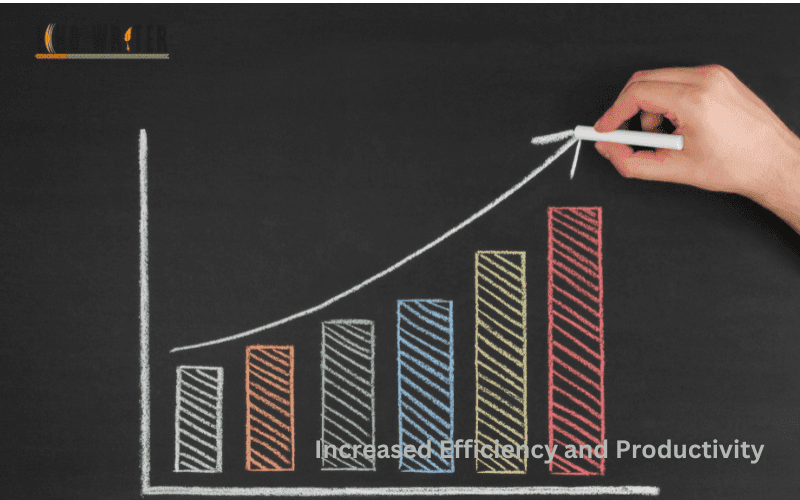
Increased Efficiency and Productivity
Once businesses overcome their challenges in resistance to change and integrations, they often realize significant improvements in their efficiencies and productivity. This automates routine tasks and simplifies workflows, working smartly, freeing resources to innovate, and supporting other important strategic initiatives.
Enhanced Customer Experience
Digital transformation challenges can be overcome if customers are offered better experiences. The digital tools allow businesses to provide unique, quicker, and more streamlined connections on multiple channels. Having better customer experiences translates to increased satisfaction and loyalty, which eventually translate to revenue growth.
Competitive Advantage and Innovation
In general, firms that are successful in meeting the challenges of digital transformation are expected to gain a wide edge over competitors. It allows them to cultivate an innovative culture and rapidly respond to shifting markets and the needs of customers and expectations of competitors during the adoption of digital technologies.
The Future of Digital Transformation
AI and Machine Learning Driving Business Innovation
Since integration of AI and machine learning appears to be a focus area of digital transformation, the organizations are likely to experience further breakthroughs in the automation of complex processes. The new technologies, machine learning, and insights derived from data will also enhance business decision-making processes.
Real-Time Data for Predictive Analytics
As digital transformation advances, firms will increasingly rely on real-time data and predictive analytics for market trend and customer behavior forecasting. The access to real-time insights will let companies make proactive decisions in order to minimize risks while optimizing operations for future growth.
Sustainability and Digital Transformation
Sustainability shall become a critical component of most digital transformation strategies in the near future. Enterprises will adapt digital solutions to their strategy to minimize the impact of activities on the environment, ensure efficient usage of resources, and adapt to green demands from customers. Sustainable digital transformation promotes not only enhanced brand image but also addresses regulatory requirements and efficiency enhancement in operation.
Conclusion
It is time for businesses to take all the opportunities available to fully realize the power of digital technologies. The only ways of overcoming the most typical barriers to digital transformation in the modern business environment are addressing resistance to change, filling the digital skills gap, modernizing legacy systems, and providing robust cybersecurity. More businesses embrace digital transformation to get themselves better placed towards the efficient realization of efficiencies and the enhanced experiences offered by customers while succeeding through this increased digitization around them.
FAQs
What is Digital Transformation, and why is it important for businesses?
Digital transformation is the alignment of digital technologies with business processes to improve their efficiency, enhance customer experience, and drive innovation. This is important because this is the only way by which businesses can stay abreast of the rapidly evolving digital landscape.
What are the main challenges businesses face during Digital Transformation?
Common challenges include resistance to change, lack of digital skills, integrating legacy systems with new technologies, budget constraints, and ensuring data privacy and cybersecurity.
How can businesses overcome resistance to Digital Transformation?
Businesses can break down resistance through the culture of change, digital skills provision, and ensuring employees know the changes will work in their best interest.
Why is cybersecurity crucial during Digital Transformation?
Digitizing businesses handles more sensitive information, increasing the likelihood of a cyberattack, meaning cybersecurity must be effective enough to safeguard data, observe regulation requirements, and not harm the trust between a business and its customers.
How does overcoming Digital Transformation challenges benefit businesses?
Removing such barriers will lead to efficiency and robust customer experiences for clients while achieving a competitive advantage. It allows businesses to fully exploit digital technologies for innovation and growth.
The Synergy Between AI, Automation, and Digital Transformation
Digital transformation is the current need of the business world today in such rapid technological advancement. Artificial intelligence and automation, at the heart of this, enable firms to fully maximize efficiency and reduce cost while improving the customer experience. AI and automation, among the most powerful instruments in driving digital transformation, simplify processes, deliver real-time insights, and support innovation at scale.
Why AI and Automation are Crucial for Digital Transformation
The core role of AI and automation in accelerating digital transformation lies in the ability of these technologies to automate routine tasks, analyze vast amounts of data, and make better decisions. These technologies not only increase operational efficiency but also free up human resources for strategic, creative, and value-added tasks. The businesses can innovate faster and respond to the change of market with AI and automation and thus stay ahead of competition.
The Role of AI in Digital Transformation
AI-Driven Decision Making
AI can read large data sets instantly in real-time, and decisions in the organization based on hard, fact-driven data are going to take a whole new level. In terms of digital transformation, analytics supported by AI can analyze the way in which a customer is behaving ahead of the curve to streamline supply chain management and advance fiscal forecasting in an organization. A business can react to shifts in markets within the competition through strength in decision-making and response by AI.
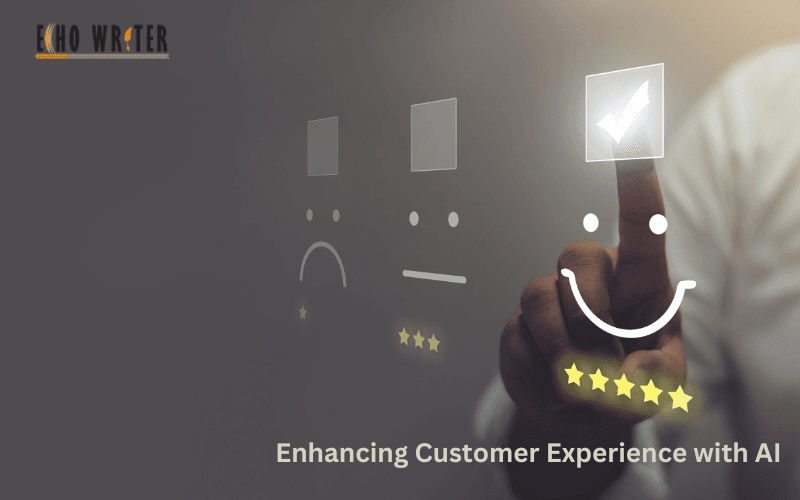
Enhancing Customer Experience with AI
One of the major contributions of AI to digital transformation is that AI can take customer experience to another level. Instant customer service is the provision through AI-based chatbots and virtual assistants of recommendation engines that recommend products and services to the user based on their behavior. Businesses can give customers specific experiences, thus further enhancing the satisfaction and loyalty of their customers.
AI for Predictive Maintenance
AI is revolutionizing manufacturing, logistics, and healthcare operations through predictive maintenance. Predictive maintenance uses machine learning-based data analysis from devices and sensors of the IoT to predict equipment failures in advance. This predictive capacity allows business organizations to save on downtime costs, maintain lower costs for maintenance, and achieve uninterrupted operations—all ingredients for the successful Digital Transformation strategy.
The Role of Automation in Digital Transformation
Robotic Process Automation (RPA) for Efficiency
Robotic process automation, therefore, stands as one of the leading enablers for digital transformation. Automation of repetitive tasks like data entry, invoice processing, or report generation in an organization is generally what defines RPA. RPA enables freeing up a lot of employee time as it can automate routine activities with very high volumes involving much time-consuming effort but with low error rates.
Workflow Automation and Process Optimization
Workflow automation is the other very important part of digital transformation. The automation of a firm’s business workflows—the workflow on approvals, document management, and communication—helps to remove bottlenecks in processes and streamlines general efficiency in operations. Businesses can also optimize interdepartmental processes using tools such as Microsoft Power Automate or Zapier so they can increase collaboration between departments and speed up delivery.
Hyperautomation: The Future of Business Efficiency
The next step of digital transformation will be through hyperautomation, that is, the collaboration of RPA, AI, machine learning, and advanced analytics. It would mean that, whereas traditional automation deals with single tasks, hyperautomation can automate complete business processes. Businesses could thereby achieve end-to-end automation, hence much greater productivity and, assuredly, without much human interference, running operations.
The Benefits of AI and Automation in Digital Transformation
Increased Operational Efficiency
By automating mundane work and using AI to analyze the data, businesses can hugely improve the efficiency of their operations. This is because the processes of AI systems ensure maximum productivity, reduce manual labor, and limit the chances of human error. With such operational efficiency, businesses can easily scale their operations and deal with huge workloads on a shoestring budget. This ensures growth in business for firms in the digital era.
Cost Savings
Automation reduces the usage of labor in repeated jobs and therefore decreases the overheads of business. Also, insights generated by AI help companies manage their supply chains efficiently, which reduces waste and excess inventories, thereby reducing the overheads further. In the long term, investment in AI and automation pays off with lower overheads and higher profitability.
Enhanced Agility and Innovation
AI and automation enable enterprises to respond sooner to what is happening within the markets, customers, and other industries. More importantly, through real-time data analytics and predictive capability, strategy adjustment can now be enhanced. Moreover, automation brings the employees together to really focus on innovation, creativity in addressing problems, and customer engagement initiatives, driving the spirit of continuous improvement.
Challenges in Implementing AI and Automation for Digital Transformation
Workforce Upskilling and Job Displacement Concerns
One of the greatest hurdles of AI and automation while undergoing digital transformation is that employees have to be well qualified to work with such technology. There is much apprehension of job loss through automation. Instead, business houses should reskill and upskill their employees for tasks of more value-added functions when the automation handles routine activities.
Integration with Legacy Systems
Most businesses still retain legacy systems, which generally are not compatible with the AI and automation wave. Most of these new digital tools are expensive and hard to integrate with outdated infrastructure. Upgrade IT infrastructure and embrace flexible and scalable solutions that allow easy integration into AI and automation platforms.
Data Privacy and Security
With the growth in AI and automation, businesses are now generating and processing a significant volume of data. Ensuring that this data remains secure and private is extremely important not only for the establishment of trust with the customer but also for compliance under regulations on data protection, like GDPR and CCPA. Therefore, it requires enough investment in robust cybersecurity in order to prevent breaches into sensitive information.
The Future of AI and Automation in Digital Transformation
AI-Powered Autonomous Systems
Looking ahead, digital transformation will require even stronger autonomous AI in the future, from self-driving cars through to the assembly of robotics in manufacturing environments. That is to say, businesses, through these emerging autonomous technologies, will deal with complex undertakings at minimal direct human interference to improve effectiveness, lower expenses, and drive innovation further.
Real-Time Decision Making with AI and IoT
As more IoT devices get online, real-time decisioning with AI will become central to digital transformation. A business will be able to make instant decisions based on data from sensors and the devices of IoT. Instant operational efficiency and optimized performance improvement will be possible with real-time data processing. Industries of healthcare, logistics, retail, and more will experience a need for real-time data processing.
The Rise of AI Ethics and Governance
The increased internal deployment of AI in business will raise the significance of ethics and governance within these businesses. Translucency in AI operation, freedom from bias, and decision-making with fairness in those systems would be important factors that the business utilizes in order to establish trust and assure compliance from the customer toward the regulatory conditions. Hence, ethical AI will thus become an essential aspect of future digital transformation strategies and may well be included in the future strategies of industries such as finance, health care, and law.
Conclusion
Digitization is one of the highly influential drivers of AI and automation, and this gives them the power to become so much more efficient and cost-effective compared to before, thereby further driving them to innovate further. AI and automation would free up significant routine workloads for such companies to use the power of AI for analysis and better decision-making to remain responsive in the fast-changing world. As businesses increasingly incorporate AI and automation, the future of digital transformation will more and more be characterized by higher levels of autonomy, real-time decision-making, and great ethics in using AI. Companies embracing such technologies now will set themselves up for long-term success in a digital age.
FAQs
How does AI accelerate Digital Transformation?
Accelerating Digital Transformation, AI analyzes data in real-time, enhancing decision-making ability and improving experience for the customer through automation and personalized services.
What is the role of automation in Digital Transformation?
Automation plays a vital role in digital transformation since it automates repetitive tasks and corrects workflows, thus significantly improving the operational efficiency of an organization. It helps businesses focus on strategic growth and innovation.
What is hyperautomation, and how does it differ from regular automation?
Hyperautomation refers to the sophisticated integration of AI, machine learning, and robotic process automation to automate the entire business process end-to-end. Regular automation, however, is generally focused on the automation of individual tasks.
What challenges do businesses face when implementing AI and automation?
Common challenges include workforce reskilling, integration with legacy systems, and ensuring data privacy and security. Businesses must address these challenges to fully realize the benefits of Digital Transformation.
How will AI and automation shape the future of business operations?
Businesses will be able to act much more autonomously, take decisions in real-time, and innovate faster with the help of AI and automation. These are efficiency- and cost-cutting, and continuous improvement drivers of the digital age.
The Impact of Digital Transformation on Business Operations
Today’s rapidly changing digital environment transforms the current business landscape, making businesses use digital technology for automating routine processes and enabling real-time decision-making through data analytics. Hence, efficiency, cost-cutting, and improved customer experience are driving its importance. Digital transformation lets a company be competitive and responsive by being in tune with the most current tools and techniques.
Why Digital Transformation is Crucial for Future Growth
Today, digital transformation is the only path for businesses looking to thrive in their future environment. The more that AI, cloud computing, and IoT penetrate the economy, the further behind the companies will be that do not capitalize on these technologies. By investing in digital technologies, workflows are streamlined, and businesses become agile in a world where growth can be sustained with a digital-first approach.
Key Ways Digital Transformation is Reshaping Business Operations
Automation of Routine Tasks
The one major impact of digital transformation is automation. RPA and AI-based tools would now enable the business to automate many repetitive tasks, such as data entry, invoicing, customer service inquiries, etc. It greatly reduces the occurrence of human error, allowing employees to focus more on strategic and value-added activities, thereby upscale productivity and optimize resource utilization.
Enhanced Data-Driven Decision Making
Digital transformation enables a business to make data-driven decisions in real time with the usage of advanced analytics and more complex machine learning models. Since companies can now analyze their data in real time, they can identify trends, know what their customers are doing, and, as such, make the right and informed decisions for improvement. Data-driven decision-making, therefore, makes businesses promptly respond to changes in market conditions by staying ahead of their competitors.
Cloud-Based Collaboration and Remote Work
Digital transformation enables a customer-engagement transformation, with experience becoming highly customized and data-driven. From AI-powered chatbots, recommendation engines, and predictive analytics, it becomes quite possible for business enterprises to predict what a customer’s needs will be and get the right kind of service. By using personalization, companies improve customer satisfaction, loyalty, and eventually higher revenues.
Customer-Centric Operations with AI and Personalization
Digital transformation has transformed customer experiences for the better through real-time, data-driven information that is personalized. This can be seen in how AI-based chatbots, recommendation engines, and predictive analytics can identify and predict the needs of customers and tailor services around them. Focusing on personalization will improve not only customer satisfaction but loyalty as well and eventually cause revenue growth.
Integration of IoT for Real-Time Monitoring
The integration of IoT devices is changing the face of industries such as manufacturing, healthcare, and logistics. Businesses can connect IoT devices with Digital Transformation to monitor equipment performance, track assets, and collect real-time data on production processes. The data collected enables predictive maintenance, reducing downtime and increasing operational efficiency. The use of IoT ensures that businesses have a constant stream of actionable insights to optimize their operations.
The Benefits of Digital Transformation for Business Operations
Improved Operational Efficiency
Digital transformation significantly enhances process efficiency through automation of procedures and advanced analytics integration into cloud solutions. Automated workflows consume the time spent on most work and reduce errors with all-round productivity. Consequently, it makes it easy to scale businesses and handle much work with fewer resources.
Cost Reduction and Resource Optimization
Through automation and a data-driven approach to decisions, businesses can cut operating expenses and use resources for greater efficiency. Digital transformation provides companies with the advantage of optimizing supply chains, inventory management, and cutting wasteful practices while using less labor in many redundant tasks to save the associated operational costs and reap them in innovation and growth areas.
Enhanced Agility and Flexibility
What’s ahead in today’s fast-paced market is being agile. Digital transformation factors make such agility possible for businesses, improving the speed with which they adjust to the market, consumers, and the industry as a whole. Businesses can scale up or scale down on cloud-based infrastructures whenever needed, yet data-driven insights will allow decision-making on the fly, making companies better equipped.
Challenges in Implementing Digital Transformation
Resistance to Change
This may pose one of the biggest challenges facing companies to implement the digital transformation. Employees may not easily embrace new technologies and systems of operation, fearing replacement or that they would not know how to carry out their duties with these digital tools. To overcome this, a company needs to implement an innovative culture, proper training, and clear communication of the benefits of the transformation.
Legacy Systems and Infrastructure
Many businesses, especially the traditional ones, face the issue of legacy systems that are not compatible with modern digital technologies. Incorporating the new digital tools into the existing infrastructure is very complex and therefore expensive. To overcome the challenge, businesses should embrace phased modernization so that their systems can handle new technologies without disrupting what already exists.
Data Security and Privacy Concerns
The growing reliance of businesses on digital tools and cloud services makes data security and privacy relevant. New vulnerabilities introduced through digital transformation also created a chance of cyberattacks and data breaches in this regard. Such measures should be taken with significant investments in cybersecurity, encryption, and data protection compliance like GDPR.
The Future of Business Operations with Digital Transformation
AI and Machine Learning Driving Predictive Operations
When these technologies advance further, AI and machine learning, organizations will look forward to predictive models to predict operational needs, customer preferences, and market shifts. Digital transformation will enable the automation of forecasting, optimization of resource planning, and smooth predictive maintenance aimed at maximally efficient and seamless operations.
The Expansion of Digital Twins
One thing that is sure to rise in the near future of digital transformation is digital twins, virtual replicas of physical assets, which will make it possible to monitor real-time performance and simulate change while also predicting the outcome, all of which could be accomplished by creating a digital twin of equipment. This technology will be an integral part of the business operation changes in the manufacturing, logistics, and healthcare industries.
Continued Focus on Customer Experience
Customer experience remains a core focus of digital transformation in the future, where more and more businesses will come to harness AI, IoT, and data analytics to personalize and make seamless experiences all the more real. To succeed in this integration within the customer journey, strong brand loyalty will be made and a sustainable competitive advantage will be gained.
Conclusion
Digital transformation is transforming how businesses work by automating their tasks, making better decisions and improving the customer experience. From AI-driven automation and cloud-based collaboration to others, businesses embracing these changes improve efficiency, cut costs, and position themselves for long-term success. As digital technologies continue to evolve, future business operations will be transformed by innovation, data insights, and customer-centric strategies.
FAQs
What is Digital Transformation, and why is it important for business operations?
Digital transformation is the integration of digital technologies into all phases of a business process in such a way that they are supposed to improve efficiency, enhance customer experiences, and drive innovation. This helps keep up with changing markets.
How does automation benefit businesses through Digital Transformation?
Automation reduces time wasted on unnecessary manual labor, increases productivity while reducing error rates, and allows the focus of employees on more strategic activities for driving operational efficiency.
What challenges do businesses face when implementing Digital Transformation?
Major challenges include resistance to change, legacy system integration, and security of data. Effective communication, good employee training, and investment in modern infrastructure solve them.
How does Digital Transformation enhance customer experiences?
AI and data analytics allow businesses to deliver personalized services and be ahead of customer needs. They also have seamless interactions that will yield higher customer satisfaction and loyalty.
What role will AI and machine learning play in the future of business operations?
Hence, predictability of operations through AI and machine learning would be the driver in the innovation of businesses that will forecast demand by optimizing resources and automating decision-making processes.
The Evolving Role of Digital Transformation in 2025
In 2025, digital transformation will continue to redesign the fabric of modern-day business operations. Companies will use cutting-edge technologies like AI, cloud computing, and IoT to remain at the leading edge of market demand while streamlining processes and delivering more interesting customer experiences. For an organization, embracing digital transformation is more than just adopting new tools; in fact, it requires the cultivation of continuous innovation and change.
Why Digital Transformation is Critical for Business Success
The faster technology changes, the farther behind a business falls if it fails to catch on to digital transformation strategies. Technology is no longer an option to exploit but a necessity for businesses to keep up with the competition. Whether this means using technology in order to produce more through the completion automation of tasks or reach new customers more effectively, it helps organizations tap into technology in order to unlock progress and improved efficiency by adapting to the evolving digital world.
Top Digital Transformation Trends to Embrace in 2025
Artificial Intelligence and Machine Learning
Probably the most critical trend in digital transformation relates to thorough integration with artificial intelligence and machine learning technology. Such type of technology helps organizations fundamentally transform their way of processing data analysis, automating tasks, and providing personalized experiences. By 2025, AI was expected to predict consumer behavior and would optimize supply chain movement and assist in a more promising process of decision-making. Business houses must exploit the use of AI-driven analytics and automation to become more operative and gain better insights based on data.
Hyperautomation
Advanced combination of AI, RPA, and machine learning under the concept of hyperautomation is another critical trend in digital transformation. In 2025, through hyperautomation, businesses will be able to automate complex workflows, reduce manual tasks, and ultimately improve overall productivity. Companies will be able to spend more time on strategic initiatives, encouraging innovation, and helping customers navigate across the journey by automating repetitive processes.
Edge Computing
As IoT proliferation continues to roll, the role of edge computing is becoming an important enabler of digital transformation. It will help businesses process data closer to the edge, reducing latency and enhancing the speed of real-time decision-making.” For example, in manufacturing, healthcare, and retail, data processing will be a key requirement with a large volume of data to be quickly processed through edge computing. Optimized business processes, enhanced security, and reduced dependency on central cloud infrastructures would be some of the benefits to enjoy in embracing edge computing in 2025.
5G Connectivity
5G networks would be rolled out and greatly accelerate digital transformation in 2025. By providing for new technologies like autonomous cars, smart cities, or real-time AR applications owing to faster data transfer speeds, lower latency, and higher capacity of devices, 5G will unlock the new technologies. Businesses should see how 5G connectivity improves customer experiences, smooths operations, and unlocks new innovations that were constrained by bandwidths once.
Blockchain for Secure Transactions
Blockchain technology will play a very pivotal role in digital transformation, providing secure, transparent, and decentralized transactions. Businesses are going to tap blockchain in 2025 for anything from providing transparency in the supply chain to highly sensitive financial transactions. Blockchain can also enhance confidence in digital ecosystems by maintaining the integrity of data and ensuring fraud reduction. Finance, healthcare, and logistics are some of the sectors that can incorporate blockchain into their plan for digital transformation.
How Businesses Can Adapt to Digital Transformation Trends
Fostering a Culture of Innovation
For full digital transformation, one has to build a culture within the business that is innovative, experimental, and adaptable to circumstances. Therefore, influential leaders should invest in digital skills training for employees, open up different opportunities for them to learn about emerging technologies, and create an environment that values continuous learning in the midst of digital literacy.
Investing in Scalable Technology Solutions
Scalable and flexible technology solutions are probably the most important thing companies must have to be successful with digital transformation. A cloud-based platform and a SaaS approach come in handy in that companies can scale their digital capabilities without much upfront investment, giving businesses flexibility so that they can place new technologies exactly where they appear in the market and remain agile and responsive to changes in markets.
Data-Driven Decision Making
Data is at the core of digital transformation. The businesses that can collect, analyze, and act on data effectively will be a lot ahead of others in 2025. The application of AI-driven analytics tools would provide insights into customer behavior, operational performance, and market trends, where companies can make informed decisions with data. Thus, a strong focus on data management and security is not to be avoided if one wants to build trust and maximize the benefits of digital transformation.
Challenges Businesses May Face with Digital Transformation
Resistance to Change
Some of the most frequent challenges in the course of digital transformation include the resistance of an organization to change. Workers may at times resist technological innovations and processes based on fears about the potential loss of jobs or the unknown changes. This can only be overcome by strong leadership with effective communication and a very clear vision on how the organization and its labor will benefit from this kind of transformation.
Data Privacy and Security Concerns
As businesses get digitalized in all their activities, they begin to worry about ensuring safety in terms of data privacy and cybersecurity. Then, by 2025, it is forecasted that with the increased activities of cloud services, IoT devices, and AI systems, there will be increased risk with regard to cyberattacks. Companies must ensure robust security measures and invest in cybersecurity tools besides following emerging regulations to ensure the protection of personal and sensitive data through GDPR and CCPA.
Integration of Legacy Systems
The drawback, however, is that most businesses cannot integrate new digital technologies and mix them up well with the existing legacy systems. The outdated infrastructure can, therefore, impact the introduction of digital transformation strategies. Moreover, operational inefficiencies result as a direct outcome. In order to overcome these limiting factors, businesses should prioritize modernizing their IT infrastructure and adopting scalable solutions so that it can fit harmoniously with new digital tools.
The Future of Digital Transformation
The Rise of AI-Powered Autonomous Systems
The future of digital transformation will be led by AI-powered autonomous systems, which will bring forth the automation of much more complex jobs and processes—whether a self-driving car or an intelligent robot. Speed up precision with reduced operation costs across all industries through AI and robotics.
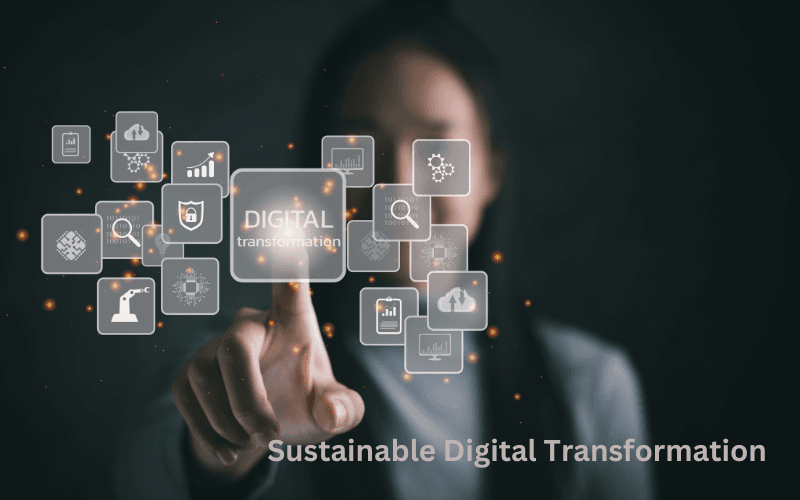
Sustainable Digital Transformation
Stronger environmental concerns will be compelling businesses to enhance their efforts in transformation towards sustainability. Businesses shall be driven in 2025 by exploiting digital technologies for carbon footprint reduction, resource optimization, and eco-friendly practices. Sustainable digital transformation increases business reputation and customer loyalty, apart from addressing regulatory pressure.
The Expansion of the Metaverse
By 2025, the concept of the metaverse—a virtual shared space with digitally rendered avatars interacting with users—will surge dramatically. Through AR, VR, and blockchain innovations, new forms of engagement between organizations and their customers will be available, as well as immersive experiences that those customers would not have had otherwise through the use of the metaverse. So, the metaverse will be an integral part of digital transformation for retail, entertainment, or education in particular.
Conclusion
By 2025, digital transformation will remain a key enabler of success: smart organizations will realize the power of AI, automation, edge computing, and 5G connectivity for their businesses. Going digital through these emerging trends helps businesses succeed with efficiency, enhance the customer experience, and stay ahead in a rather increasingly digital world. For success in this transformation, companies need to foster an innovative culture, invest in scalable solutions, and ensure that it also encourages security and privacy of data.
FAQs
What is Digital Transformation, and why is it important for businesses?
Digital transformation refers to change in an organization through digital technologies. This involves making any process, customer experience, or product better and grow with digital transformation a top agenda in enterprises today.
What are some key Digital Transformation trends to watch in 2025?
These are key because they keep a business at the curve in an increasingly dynamic space that is digital.Some of the key trends include artificial intelligence, hyperautomation, edge computing, 5G connectivity, and blockchain technology. All these will mean optimizing operations, enhancing decision-making, and securing digital transactions.
How can businesses overcome resistance to Digital Transformation?
It is based on how businesses build an innovation culture, develop digital skills in the workforce, and explain the benefits coming from changes. All this is supported by leadership, which must embrace change for things to be effective in changing smoothly.
What role does AI play in Digital Transformation?
AI is at the core of digital transformation. It enables businesses to analyze gigantic portions of data and automate processes and decisions based on that data, especially. Improving efficiency and driving innovation in various industries, the AI-powered tools are great helpers.
How can businesses ensure data security during Digital Transformation?
Businesses should ensure good levels of cybersecurity and employ encryption and authentication tools on devices holding, processing, or transmitting information about clients. Businesses should also adhere to the data protection rules as stipulated by regulations like GDPR and CCPA in governing data. Data security calls for credible security audits and employee training to protect data.
Predictive analytics has literally become a game-changer for businesses, from making smart choices to informed ones. Businesses can forecast future occurrences, operate at the peak level, and consequently optimize their decision-making processes by analyzing historical data and pinpointing patterns. Predictive analytics enables companies to proactively use data to gain an edge over competitors in areas such as predicting customer behavior or simplifying a supply chain.
Why Predictive Analytics is Essential for Businesses
Predictive analytics enables companies to transcend the reactive limits of decisions and to be proactively, data-driven. Companies will be able to avoid risks and seize new business opportunities based on trends that have yet to materialize and can significantly improve operational efficiency. This is a drastic advantage in a marketplace that has dramatically changed.
What is Predictive Analytics
Overview of Predictive Analytics
Predictive analytics represents advanced analytics that utilizes statistics, machine learning, and artificial intelligence (AI) to analyze historical data so as to get real-time accurate predictions concerning upcoming events. In applying it, models of historical data can help in better predictions regarding the actions of customers, market trends, or even working issues. This avenue allows companies to acquire and utilize existing data for long-term planning and strategy development.
The Key Components of Predictive Analytics
Data Collection and Preprocessing: Acquisition of high quality as well as clean data is the beginning to producing reliable predictions.
Statistical Analysis: Methods such as regression analysis, time series forecasting, and clustering are applied on the data to find trends and associations
Machine Learning Models: Machine learning algorithms allow models to learn from experience generated by new data that keeps coming, thus improving prediction accuracy with time.
Data Visualization and Reporting: This involves presenting the insights yielded by prediction to business leaders to explain results very well, so decisions may be based on real data.
How Businesses Can Leverage Predictive Analytics
Predictive Analytics in Marketing
Predictive analytics is changing marketing as it forces businesses to predict buyer behavior based on historical data. Using historical customer data about purchases, engagement, and similar factors, businesses can design bespoke marketing programs for targeted customer segments. Predictive models can also predict CLV, allowing the business to concentrate its efforts on high-value customers while maximizing its ROI on marketing dollars.
Optimizing Supply Chain with Predictive Analytics
Another area of high utilization is supply chain management. Based on the predictive models, businesses can predict fluctuations in demand more accurately and, as a result, change their inventory levels or avoid instances such as overstocking and stockouts. Consequently, businesses can focus on optimizing their supply chains by using past performance data together with outside factors such as market trends to reduce costs and prepare for future disruptions.
Improving Customer Retention
Repeating customers are a critical backbone of long-term business success. Predictive analytics can enable organizations to know which of their customers are at the highest risk of churning based on historical data. Coupled with the past pattern of customer behavior, firms can work towards interventions that help to retain these customers in the firm. The use of such data keeps the strong bond between the firm and its base of customers, as low churn and high profitability will go hand in hand with such sustained relationships.
Tools for Implementing Predictive Analytics
Data Collection Tools
Any successful predictive model depends on good-quality data. Businesses would need strong data collection tools, such as web analytics, CRM systems, and devices that are part of the Internet of Things, for it to collect good-quality data to analyze. These will collect all the relevant data points that feed the predictive models for predictions to be based on real-time information.
Predictive Modeling Tools
Among the most popular tools used in the development of predictive models are popular statistical analysis tools Python and R, the platforms SAS and SPSS. They carry powerful statistical libraries and machine learning algorithms that may really work with big data and produce actionable insight. When using these tools, data scientists can develop sophisticated predictive models that help in decisions to propel business forward.
Data Visualization Tools
Predictive insights require proper visualization for effective communication. Tools like Tableau, Power BI, and Google Data Studio help in presenting data to organizations in a more understandable form for those who have to make the decisions. That way, data analytics gets translated into accurate and actionable predictive insights.
Predictive Analytics
Data Quality and Accuracy
One of the big challenges in predictive analytics is that it’s quite impossible to avoid errors coming from wrongly prepared data used for modeling. Incompleteness and inconsistency in the data may lead to very unreliable predictions, which might mean a wrong decision for any business. Businesses must put more time and energy into cleaning and preprocessing the data so that it is of the utmost quality before applying predictive models.
Integrating Multiple Data Sources
Modern businesses collect data from every possible source—customer databases, social media platforms, web traffic analytics, and much more. Integrating disparate sources of data into a single, unified system where they can be analyzed will be troublesome. Business therefore requires sophisticated means of integration of different datasets to combine them for insights in a more wholesome way.
The Future of Predictive Analytics
The Role of AI and Machine Learning in Predictive Analytics
In the future, as AI and machine learning go up, they will become an integral part of predictive analytics. These technologies will provide a lot more accuracy in predictions over traditional methods, both much faster. The most business applications to come will not be anything other than AI-powered tools to drive sharper decision-making and spot trends even before they actually surface.
Challenges in Implementing Real-Time Predictive Analytics
This increase in the demand for real-time insights will make the future of predictive analytics increasingly focus on the processing of data in real time. This means that businesses shall analyze the incoming data in almost real-time so as to make decisions faster, more agile, and by using updated information. Real-time predictive analytics, especially in finance, retail, and healthcare, will be more helpful with timely decisions.
Conclusion
Businesses will discover opportunities to transform raw data into actionable insights to support better decisions, growth customers, and optimization of operations through the use of predictive analytics. Predictive analytics will enable any organization to predict trends in areas such as marketing and supply chain management to keep an organization ahead of the challenges that may come. The added value of integrating AI into real-time processing in the course of predicting is expected to further make predictive analytics enhance the effectiveness of business strategies developed for later use.
FAQs
What is Predictive Analytics, and how does it benefit businesses?
Predictive Analytics is based on historical data and statistical models to provide predictions about future outcomes. This kind of analytics helps the businesses make proper decisions, gain optimization in their operations, and remain ahead of the curve.
What types of businesses can benefit from Predictive Analytics?
Pretty much any business performing tasks on data can seek utility with predictive analytics. Retail, finance, healthcare, and manufacturing are some business sectors that will improve customer retention, predict the demand they may have, and enrich decision-making.
What tools are essential for implementing Predictive Analytics?
The tools applied for predictive model development and visualization of insights drawn from the data include tools such as Python, R, SAS, and Tableau. The tools help businesses process massive datasets and generate true predictions.
How can Predictive Analytics improve customer retention?
Predictive analytics allows the business to identify particular customers that may churn due to analyzing historical data related to customer behavior. The firm uses predictive analytics to develop strategies to retain such particular customers.
What challenges do businesses face when implementing Predictive Analytics?
Some examples of common challenges include data quality and accuracy; how to include multiple sources of different data; and determining which tools should be used for the building and maintenance of predictive models.
Data science is currently a most in-demand field, as it could provide a career for professionals with an incredible lot of scope. The role of analyzing and interpreting large volumes of data has become essential for making proper decisions that businesses need to make and giving them an edge over competitors. Success in data science requires one to know the basics skills and tools to survive in this dynamic landscape.
The Growing Demand for Data Science Professionals
With data explosion in every industry, companies are on the lookout for data scientists to unleash the power of data. Data science helps firms in predicting consumers’ behavior and optimizing operations. Increasing demand for the solution of complex business problems is one reason job opportunities keep growing at Data Science, ranking among the most lucrative careers in the tech industry.
Essential Skills for a Data Science Career
Proficiency in Programming Languages
Some of the earliest skills required for a career in data science are proficiency in the use of languages such as Python and R. Two in particular are used more extensively by the body in data analytics, machine learning, and statistical modeling. Python is especially popular for its simplicity and versatility—it provides a good introduction to data science, while R is highly rated for its statistical computing capabilities. Mastering these languages is absolutely imperative to data manipulation and analysis and to the building of machine learning models.
Understanding of Statistics and Probability
It is an essential tool that the data scientist has to learn about because this is the starting point of data analysis. Data scientists can make interpretations through statistical methods, detect trends, predict situations, and most importantly, use hypothesis testing, regression analysis, and descriptive statistics. For that reason, you can be able to make sense of data patterns through understanding statistical principles and provide meaningful insights.
Knowledge of Machine Learning Algorithms
Indeed, machine learning is a part of data science. Therefore, it is really important to master the algorithms used in machine learning to develop predictive models as well as resolve problems of various complexity. Much of the algorithms fall under supervised and unsupervised learning. Knowledge areas are generally comprised of decision trees, random forests, k-nearest neighbors, and support vector machines. Additional help comes in the form of a whole knowledge of neural networks and frameworks like TensorFlow and PyTorch as AI and machine learning continue to integrate into a broader data science.
Data Wrangling and Cleaning
Raw data has to be cleaned using a cleansing procedure called data wrangling before analysis can be performed. Data are full of errors, missing values, and inconsistencies that could mess up the analysis. Data scientists should therefore have some form of ability to identify these problems and correct them for the sake of having reliable and clean data. Tools like Pandas and NumPy fit well in this stage of data science for data manipulation.
Data Visualization and Communication
Probably most important is the ability to communicate insights, a skill a data scientist knows so well. Tools like Tableau, Power BI, and Matplotlib are ‘producing a clear, visually appealing method of delivering findings to end users and other stakeholders,’ said Chen. These tools empower data professionals to create charts and graphs on dashboards that explain complex data to technical, nontechnical stakeholders. The ability to communicate insights is what drives data-driven decision-making in an organization.
Essential Tools for Data Science
Python and R Programming
Python and R are among the most frequently used programming languages in the area of data science. Python is easy and richly blessed with a variety of libraries such as NumPy, Pandas, Scikit-learn, and TensorFlow. Therefore, making it ideal for the vast use of analysis and machine learning applications. It is preferred to be used by the academicians and researchers from the point of view of statistics. Thus, choice of using Python over R or vice versa is a function of the task at hand to ensure maximal efficiency and performance.
SQL for Database Management
An important tool for querying and managing databases is Structured Query Language, abbreviated as SQL. A data scientist will use SQL in retrieving and manipulating data stored in relational databases. Data scientists typically rely on SQL to access large datasets analyzed before further analysis is done either in Python or R. Being a professional and master of SQL enables one to work with massive amounts of databases.
Jupyter Notebooks
Jupyter Notebooks is one of those tools that fully supports the development and sharing of code in a readable format. It provides data scientists with the opportunity to produce and document code, visualize data, and represent results in an interactive format. Jupyter Notebooks support Python, R, and other languages, meaning it’s possible to test many different data analyses and machine learning models.
Big Data Tools: Hadoop and Spark
As datasets grow to immense size and complexity, data scientists will need to familiarize themselves with big data tools, which include Hadoop and Spark. Hadoop is a completely open-source framework that lets large datasets be distributed and processed. Spark is a fast general engine for scalable big data processing. Mastery of these tools is a passport to handling big data projects.
Git and GitHub for Version Control
Collaborative work on data science projects, therefore, necessitates the use of version control. Of the different version control software in existence today, Git is the most widely used. Data scientists can track changes made to their code and collaborate with other team members in real time with Git. GitHub is an online platform that hosts Git repositories and provides the tools for collaboration and is therefore very essential to the majority of data science professionals working on team projects.
Building a Strong Data Science Portfolio
Working on Real-World Projects
A portfolio of actual projects is one of the best ways to demonstrate skills and experience in data science. Be it analyzing public datasets or working on industry-specific problems, employers value candidates who demonstrate their ability to derive insights from data. Candidates are valued more because they have applied their skills to practical problems and delivered actionable results.
Contributing to Open Source Projects
Contributions to open-source data science projects build your portfolio and give you experience. Contributing using GitHub allows you to connect with other professionals and contribute toward projects that remain continually active. Contributions ensure further improvement in your technical abilities and skills related to data science, but simultaneously reflect your ability to work in teams and solve real-world data science problems within a social community.
Publishing Your Work
You can share your work with others by publishing articles, presenting, or doing tutorials. In fact, because these blogs are located in the data science spaces, such as Medium, LinkedIn, and Kaggle, you will have the chance to share your work, connect with others, and build credibility and visibility. What’s going to get you, indeed, a thought leader, is writing about your data science projects and explaining what you did.
Challenges in Pursuing a Career in Data Science
Keeping Up with Rapidly Evolving Technology
The field of data science is constantly evolving, and up-to-date knowledge about the latest tools, techniques, and technologies can be overwhelming. It is a vast ocean of new libraries, algorithms, and platforms unfolding every day. They are expected to continue upskilling in data sciences to be on par or above in the market. This requires valuable time to learn continuously and participate in online courses, certifications, and industry events.
Balancing Technical and Non-Technical Skills
Technical skills are what determine success in data science, but the professionals should complement these with good communication and problem-solving skills. In most cases, the data scientists work closely with non-technical stakeholders, which means that skills for communicating and clarifying complex ideas so that they might be clearly understood by others are important.
Managing Large and Unstructured Data
Handling huge volumes of unstructured data such as text, images, and videos presents big challenges to data scientists. Some of the tools include Hadoop, Spark, and NLP libraries that can handle and analyze unstructured data; knowledge in them, however, requires specialization. The development of expertise in big data technologies is important in solving the problem above.
The Future of Data Science Careers
Increased Use of AI and Automation
Integration of AI and automation in data science is really revolutionizing the field, as it now allows most of the analyses done on the data itself to be automated, like how to clean the data, how to select appropriate features, or how best to optimize models. The future will allow more strategic-oriented decisions in data science that refer to complex problems, leaving to the routine tasks AI-based solutions.
Specialization in Niche Areas
Increasing specialization in data science requires experts to specialize in areas like natural language processing, computer vision, and deep learning. They will top the list since businesses will seek niche solutions for cutting-edge technologies for solving specific industry-wide problems.
Ethical Considerations in Data Science
The growth of data science leads to growing concern over the ethical use of data. Experts in data science then would be concerned about how AI models and data-driven decisions are carried out responsibly without traceable biases and with transparency and justice in their outcomes. The development of such expertise in ethical AI and responsible data will be central in businesses where public trust needs to be maintained and regulatory requirements complied with.
Conclusion
Success in the field of data science is highly dependent upon extensive education in a range of technical and analytical skills, beginning with Python programming through machine learning algorithms to techniques for data visualization. Learning the key tools in SQL, Hadoop, and Jupyter Notebooks in tandem with being well-equipped with a good portfolio and several real-world projects will position data scientists for success in this burgeoning field. Continuous updates with newer technologies and ethics are going to be the key for sustained long-term growth in career professional development.
FAQs
What programming languages should I learn for a career in Data Science?
Two most popular programming languages used in Data Science are Python and R. There is much more preference about Python because of its simplicity as well as flexibility, but R is given importance for statistical analysis purposes.
How important is machine learning for Data Science?
Machine learning is another part of data science; it is basically used for enabling predictive modeling and solving complex data-related problems. Therefore, understanding how these machine learning algorithms work and what might be the best-suited framework in most of the cases really builds a good career in that field.
What tools are most important for data analysis in Data Science?
SQL, Jupyter Notebooks, Hadoop, and Spark are some of the major tools through which data analysis can be performed, big data managed, and databases handled in data science.
How can I build a strong portfolio in Data Science?
The best way to create a great portfolio for data science is by working on real-world projects, contributing to open-source projects, and putting your work out into the world by publishing it on GitHub or Medium.
What are the challenges of a career in Data Science?
Problems include keeping with the changing pace of technology, lots of unstructured data, and balancing technical skills with communications and problem-solving abilities.
Data science and data analytics are the multidisciplinary fields that define the very fabric of how businesses extract their insights to make informed decisions in a data-driven world. Both fields have a similar context-work with data but, in essence, differ significantly in scope, methodology, and outcomes. Getting an edge over this difference is imperative for businesses and professionals looking for strategic advantage through leveraging data.
Why Understanding the Difference is Important
The terms Data Science and Data Analytics often seem like interchangeable terms, although they represent very different processes and approaches. Therefore, awareness of such differences helps businesses select the right tool, technique, and professional for their specific data needs. Additionally, understanding the difference enables professionals to pursue the right career paths and acquire the necessary skills to be successful in that chosen field.
What is Data Science?
A Broad Overview of Data Science
Data science is an area of fusion that unifies aspects of computer science, statistics, mathematics, and domain knowledge with regard to extracting meaningful insights from big datasets. Data scientists usually work both on the structure and unstructured data to develop predictive models as well as discover patterns that can guide the strategies of a business. The scope of data science ranges so widely that it can be from data collection and cleaning to highly complex analyses and forecasting.
The Key Components of Data Science
Data Extraction and Cleaning: Data scientists would begin with the extraction of data from as many sources as they can reach or provide them with access to and further clean and preprocess the same.
Machine learning and AI: A significant portion of data science involves creating machine learning models and applying AI algorithms to make predictions and automate processes.
Big Data: Data Science frequently involves working with large, complex datasets that require specialized tools and technologies for analysis.
Advanced Statistical Methods: Data scientists use statistical models and algorithms to analyze data, identify patterns, and make predictions about future trends.
What is Data Analytics?
A Focused Approach in Data Analytics
Data analytics refers to the systematic process of analyzing data in relation to a specific question or problem so as to identify trends and provide actionable insights. While data science is practiced in a wide range of techniques and processes, data analytics is focused mostly on analyzing existing datasets for insights that can guide businesses to optimize their operations, understand customer behavior, and make better decisions. In fact, it is often descriptive or diagnostic in nature; it attempts to answer the kinds of questions like “What happened?” and “Why did it happen?”
The Key Components of Data Analytics
Descriptive Analytics: This seeks to aggregate the past data that would show insight into what has happened in the business or system.
Diagnostic Analytics: Data analytics is further used to find out why certain things occurred and, for that, do patterns, relationships, and correlations exist within the data.
Data Visualization: The analyst uses the visualization tool to represent findings in a clear and understandable format to allow stakeholders to make fast decision-making of the right kind.
Business Intelligence: Data analytics is very intimately connected with BI, which enables organizations to use data to better improve their operational and strategic decisions.
Key Differences Between Data Science and Data Analytics
Scope and Focus
The main difference between data science and data analytics lies in the scope and focus. Data science is much more comprehensive because it takes into account all the stages of processing data, from capture and preprocessing to the use of machine learning and applications involving AI. In contrast, data analytics narrows its focus on already available sets of data with the purpose of drawing conclusions and achieving actionable insights.
Tools and Techniques
Though some tools for both fields are overlapping, data science involves more prominent tools, such as programming languages (e.g., Python and R), frameworks for machine learning (TensorFlow, PyTorch), as well as the more general platforms dealing with big data (Hadoop, Spark). Data analytics depends much more on the tools that analyze and display data, such as Excel, Tableau, and SQL.
Outcomes and Objectives
The results of data science projects are usually predictive models, AI-driven applications, and algorithm development. Its prime purpose is to develop systems that predict possible future trends or even fully automate all necessary decisions. On the other hand, data analytics focuses on the provision of clear insights through historical data analysis, answering questions about past performance, and helping in optimizing business current operations.
How Businesses Can Leverage Data Science and Data Analytics
Using Data Science for Predictive Analytics
Data science gives one the ability to develop predictive models that allow one to have an idea of what might happen in the near future regarding events or trends. This application could then be done in an industry, for example, finance, healthcare, or retail, in which predicting what customers will do and their behavior, market trends, or any other risk gives a strong competitive edge in the industry. Predictive models enable businesses to make the most informed decisions with regard to resources, inventory, and product development.
Optimizing Operations with Data Analytics
It helps improve the processes already running in businesses with existing historical data. Retail companies may use data analytics for analyzing customer buying patterns in order to understand and improve areas in terms of inventory management for better marketing avenues. Therefore, operational efficiency and cost reductions may be achieved based on actionable data insight gathered from past performance.
Combining Both for Comprehensive Insights
Many companies have realized the value of integrating both data science and data analytics because, while data analytics helps a business understand past performance and optimize the present, data science provides the predictive capabilities needed to plan for the future. Integration of the two fields is, therefore, likely to help an organization make the right data-driven decisions with regard to both optimization of the present and planning for the future.
Challenges in Implementing Data Science and Data Analytics
Data Privacy and Security Concerns
With the increased importance of data science and data analytics, businesses are keeping an eye on sensitive and confidential data with extreme vigilance. Proper governance around this data is demanded, not just because of privacy and security aspects but also to help keep the business in compliance with all regulations related to data, such as GDPR and CCPA, and so on. Non-compliance will have a severe impact in terms of legal and financial loss.
Finding the Right Talent
The demand for skilled professionals in the fields of data science and data analytics still exceeds supply. Companies still struggle to find talent within the right mix of technical expertise and business acumen. Hence, in order to bridge the gap between demand and supply, organizations may well have to invest in new and further training for their workforce.
Managing Large Volumes of Data
More and more businesses are collecting data than ever before; the challenge lies in proper management and analysis of big data sets. Both data science and data analytics require advanced tools and infrastructure to handle the large data efficiently. Data quality and scalability form the basis for deriving the actual and actionable insights from this data.
The Future of Data Science and Data Analytics
The Rise of Automated Data Analysis
Automation will continue to play a central role both in data science and data analytics. Most routine data work will be chewed out by AI-driven data processing tools, freeing time for the most complex and high-value tasks for data scientists and analysts. Data-driven insight will also become more accessible to more businesses, even those who don’t have specialist teams.
Real-Time Data Processing
There will be more use of real-time data processing as high-technology continues to grow in the future. This can help businesses quickly respond to trends, make decisions in real-time, or understand customer behavior or market trends as events unfold.
Democratization of Data Science and Analytics
In the coming years, as the user friendliness of tools and platforms for data science and data analytics increases, I envision these as democratized fields. Business users with less deep technical expertise will get the opportunity to benefit from data-driven insights, thus allowing organizations at all levels to become more agile and data-driven.
Conclusion
Data Science and Data Analytics are two related concepts that perform two different functions in the world of data. This relates more broadly to predictive models while working very much with advanced technologies like AI, whereas the latter remains even more focused upon a higher analytical examination of historical data for developing actionable insight. Both these functionalities will play a critical role for businesses in their race to leverage data, and knowing the difference between them enables organizations to apply the appropriate approaches toward attaining the goals they aim for.
FAQs
1. What is the primary difference between Data Science and Data Analytics?
Data science is much broader, including data gathering, machine learning, and predictive modeling. Data analytics would focus the analysis of already collected data to furnish actionable insights for current or real-time decision-making.
Which tools are commonly used in Data Science?
The tools most commonly used in data science are Python, R, Hadoop, Spark, and machine learning frameworks such as TensorFlow and PyTorch.
How can businesses benefit from Data Analytics?
Data analytics maximizes the operations of a business by understanding customer behavior, improving a marketing strategy, and making data-driven decisions based on historical performance.
How does Data Science help in predictive analytics?
The reason data science is extremely helpful to businesses is because it uses machine learning algorithms and statistical models in predicting the future, which could lead to good trend prediction and decisions.
What are the challenges of implementing Data Science and Data Analytics?
Main challenges are data privacy and security concerns, difficulty in finding the right talent, managing large datasets, and ensuring the quality and accuracy of the data.
Data science will continue to have a transformative impact in the industries, driving innovation as well as information for practically all of strategic decision-making throughout 2024. With technological advance, AI and ML already push the frontiers of what data science can do. Hence, catching on to the emerging trends will remain critical to staying ahead of the competition and the resultant power of data.
Why Data Science is Essential for Modern Businesses
Data science is the explosion of data, which has emerged as a key factor for businesses striving to be at the forefront of their competition. It helps organizations make decisions, makes operations more efficient, and delivers personalized experiences for individual customers. From predictive analytics and automation to discovering hidden patterns and optimizing the various steps and flows that help the organization predict future trends, it becomes the final treasure chest of all benefits in today’s digital economy.
Top Data Science Trends to Watch in 2024
AI-Driven Automation in Data Science
AI is going to change the world of data science from automating advanced data processes such as data collection and cleaning right through to actual model building and analysis. In 2024, AI-driven automation will free up time for data scientists to focus on higher-level decision-making, such as strategic decisions, while leaving the data science tasks of tedious, long, logistical dimensions of data analysis to machine learning algorithms, further enhancing efficiency and saving time in the process of deriving actionable insights from data.
Increased Adoption of Augmented Analytics`
Augmented analytics is Data Science’s new buzzword, broadly encompassing the idea of applying AI and machine learning to enhance data preparation, insight generation, and explanation. This capability automates these tasks, thus enabling business users to interact with data and carry out analysis without obtaining technical knowledge. By 2024, companies will increasingly shift toward augmented analytics as they democratize data analysis and make it accessible to a much larger set of users—a big part of the way toward spreading data-driven culture within organizations.
Rise of Edge Computing in Data Science
In 2024, companies will use edge computing to analyze data in real-time at the edge of the network due to IoT device usage, which is currently keeping on growing with reduced latency and response time. Edge computing will be an important trend in data science. This will have a higher influence in the industries of healthcare, manufacturing, and smart cities for real-time decision-making through insights.
Ethical AI and Responsible Data Science
Increasingly, ethical AI and responsible use of data will be such significant portions of the future of decision-making with AI and data science. How data practices are being managed with transparency, fairness, and accountability in 2024 would be all about bias and compliance to GDPR, CCPA, etc. Ethical AI will form a trust with the customer but will also serve a very crucial purpose in avoiding legal risks due to misuse of data.
The Expansion of DataOps
DataOps methodology emphasizes better collaboration and integration between data scientists and operations teams. This model will get popular during 2024. It easily considers the complete lifecycle of data from collection and storage to analysis and reporting to present higher-quality data and increased workflow automation and speed-to-insight combined for better and more effective decision-making and operational efficiency.
Industry Applications of Data Science in 2024
Data Science in Healthcare
Data science is also revolutionizing healthcare through advances in personalized medicine, predictive analytics and, most importantly, patient care. In 2024, providers will use more data-driven models to predict what will happen to the patient, to optimize the treatment plan for the patient, and enhance healthcare resource management. Wearable health devices and health trackers equipped with IoT connectivity will provide real-time data that can be analyzed using AI for improved patient monitoring and early diagnosis of diseases.
Data Science in Finance
The finance industry has long been at the forefront of the adoption of data science. As technological shift accelerates pace in the year 2024, the use of financial institutions for predictive analytics will increase in risks, fraud prevention, and customer satisfaction. It is AI-driven algorithms that fuel such more accurate financial forecasting into the banks and investment firms. Data science shall play a significant role in compliance with amended regulations for security and transparency in data protection.
Data Science in Retail and E-Commerce
Data science shall transform retail as well as e-commerce dramatically in 2024. Businesses will provide more customized shopping experiences based on market trends, purchase history, and specific patterns of customer behavior. In fact, data science will enable retailers to make predictions about the preferences of the consumers and accordingly give product recommendations that will be pertinent to the consumers. Another significant impact of data science is that it shall optimize the supply chain activities, integrate improved inventory management, and also upgrade the marketing strategies by making certain targeted campaigns based on data insights.
Challenges in Implementing Data Science in 2024
Data Privacy and Security Concerns
With the number of businesses collecting and analyzing a massive amount of data, privacy and security are facing great challenges. One of the biggest challenges concerning the data science practices in 2024 would be to protect sensitive customer information from breaches and misuse. Thus, the company should have strong measurements about security, encryptive protocols, and data protection compliance for its data assets.
Talent Shortages in Data Science
The demand for skilled data scientists remains ahead of supply. Companies may still fall short of people with this combination of skills in 2024. That is why, to bridge the gap between talent availability and demand in data science, businesses will have to invest in upskilling their existing talent pool and even collaborate with educational institutions to find potential people in the first place.
Managing Unstructured Data
Businesses all over are facing the rapidly increasing mass of unstructured data, whether in text, images, or video form. Being able to derive proper sense out of unstructured data in 2024 can be a competitive edge. Data science tools capable of processing and analyzing such unstructured data, like natural language processing and computer vision, will be at the center of coming to terms with this challenge.
The Future of Data Science Beyond 2024
AI-Driven Data Science Tools
AI-based data science tools will contribute to the accomplishment of speedy and available data analysis in the future. These tools will automate most of the related processes so that large datasets will be analyzed by businesses faster and more accurately with the purpose of contributing to their decisions and policies. As for that, AI technology will be developed further, and we are going to see even more complicated, self-evaluable algorithms with which it will be possible to solve all kinds of complex data challenges independently.
Increased Focus on Data Literacy
More adoption of data science by businesses will drive momentum in bringing higher data literacy across the ranks in organizations in the years ahead. Organizations need to invest in ensuring their people at all levels develop a better sense of how to interpret data insights and apply them to the job in 2024 and beyond. The investment in data literacy training power enables teams to make better-informed decisions with the help of data science initiatives.
Quantum Computing and Its Impact on Data Science
Quantum computing could bring data science to a level at which problems that cannot be solved by any other classical computer would come within its reach. Although in their infancy, quantum computers could bring dramatic acceleration of data processing, which would open new doors in cryptography, optimization, and AI. Investments into quantum computing are likely to give businesses a significant advantage over their peers in the near future in analytical capabilities.
Conclusion
By 2024, data science is going to become even more innovative and practical across virtually every industry. From AI-powered automation to augmented analytics, from ethical AI to edge computing, these trends in data science will empower companies to make quicker, better-informed decisions except for the difficulty of data privacy, a talent shortage, and the management of unstructured data. Businesses must stay updated in the rapidly changing trends of the online world and invest in the right tools and talent so that they can completely leverage data science to outperform and get ahead of the curve in the online game.
FAQs
What is augmented analytics, and how is it changing data science?
Augmented analytics is the use of artificial intelligence/machine learning in automating analysis, therefore making data analysis and insight generation easier and for everyone, not necessarily a technical user. This approach to the world of data science is basically democratizing access to data-driven decision-making.
How can businesses ensure ethical AI in data science?
Ethical AI can be ensured through: making sure data practices are transparent, fair, as well as accountably kept; regular auditing of AI models for bias; and full compliance with most regulations and associated, like GDPR and CCPA, to protect privacy.
Why is edge computing important for data science?
Edge computing allows more processing close to the source, minimizing delay or latency. Most industries dependent on the fast view of insights from IoT devices and sensors find it invaluable.
What challenges do businesses face with unstructured data?
Most unstructured data, such as text, images, and videos, becomes difficult to process and analyze with traditional tools. Businesses feel difficulties in the extraction of useful insights from unstructured data without a developed tool like natural language processing and computer vision.
How will AI-driven tools impact the future of data science?
AI-driven tools would automate most data analysis, making data science faster, more efficient, and far-reaching. This would make businesses capable of analyzing bigger datasets and gaining actionable insights much faster.
The remote working technology is dramatically on the rise, and cybersecurity has come to be one of the most critical tools for both businesses and employees. Remote work environments tend to lack strong security measures as compared to those in the office, thus exposing workers more to cyberattacks. As cybercrime targets an increasingly large number of remote workers, the necessity for the development of robust cybersecurity practices becomes critical in order to secure sensitive information, ensure high productivity, and counter breaches that will go a long way in hampering an individual and a business.
Understanding the Unique Security Risks for Remote Workers
Specific challenges to the cybersecurity of remote workers include poor work networks and usage of personal devices in the workplace. Many remote worker activities are characterized by weak practices concerning passwords used at work. Without a secure work environment, these vulnerabilities can quickly be exploited to cause damage by attackers. It is, therefore, important for businesses to modify their security strategies so that they can handle the kind of remote work-related risks, thus giving employees the appropriate tools and knowledge to operate safely online.
Best Cybersecurity Practices for Remote Workers
Use a Virtual Private Network (VPN)
The primary goal of a VPN is to safeguard the remote worker’s data and secure his or her internet connection. A VPN encrypts data transmitted between a worker’s device and the company’s servers, rendering it impossible for cybercriminals to intercept sensitive information and securing every single device connected to the network. All workers should be forced to use a VPN, especially when accessing company resources from public or unsecured networks, as this remains the most basic cybersecurity measure that will ensure safe communication.
Enable Multi-Factor Authentication (MFA)
Enabling MFA in all critical systems and applications prevents the access of unauthorized parties even when login credentials have been lost, since MFA adds another layer of security, which means employees will validate more than one way from a password and a one-time code via a phone. In fact, this is one of the most fundamental practices through which cybersecurity can be improved, and only authorized parties may access sensitive information.
Implement Strong Password Policies
The most common vulnerabilities include passwords. Remote workers can be expected to have really strong, unique passwords on all their work-related accounts. A password would be considered to be best constituted through a combination of uppercase and lowercase letters, numbers, and special characters. Employees should not make the same mistakes by having the same passwords for other accounts. Businesses can also install password managers that can guide employees on safe and organized credentials.
Keep Software and Devices Updated
At the minimum, remote workers’ devices with their operating systems must be updated regularly against newly discovered security vulnerabilities. In most cases, such software updates include patches for newly found security flaws. Thus, when such an update is delayed, the systems leave open holes through which the attackers break in. Automatic updates, of course, must always be turned on, in as much as is possible, so that manual intervention only has to keep all installed software updated.
Be Wary of Phishing Attacks
Another common tactic is phishing for sensitive information from the remote employees. An attack can appear as a legitimate email or a message that contains malicious links and attachments. The team should be trained on what to look out for and avoid clicking on a suspicious link. Email security filters will minimize the number of phishing emails sent to employee mailboxes.
Advanced Cybersecurity Strategies for Businesses with Remote Teams
Zero Trust Security Model
The Zero Trust model operates under the principle that no one—user or one device—should be trusted by default, even though they happen to be inside the network. In any remote work setup, businesses must implement zero trust principles through constant verification of the identities of users and access monitoring to company systems. It is a form of cybersecurity that ensures all access requests are duly authenticated since there is absolutely no room for unauthorized access.
Endpoint Protection and Monitoring
With different devices connected to the company network while remote workers are using them, endpoint protection will be helpful for the comprehensive security of the organization. Therefore, businesses need to implement an EDR solution that can monitor all their connected devices, detect unusual activity, and take the responses in real-time. This is to mean that all the devices are being constantly monitored for possible security threats and those odd behaviors.
Data Encryption for Remote Work
Encrypting data both at rest and while in transit is essential to avoid cybercrime accessing the data. While file sharing and remote meeting attendance, the distributed workers should employ the use of encrypted communication tools. Businesses can also achieve full-disk encryption on their employees’s devices, whereby data security is ensured in case a device has been stolen or misplaced.
Challenges in Ensuring Cybersecurity for Remote Workers
Lack of Control Over Home Networks
One of the main challenges in securing remote work environments is the lack of control over employees’ home networks. Unlike corporate offices with dedicated IT teams and secure networks, home networks may not have the same level of protection. Businesses should educate employees on how to secure their home routers by changing default passwords, enabling firewalls, and using strong encryption protocols like WPA3.
Use of Personal Devices for Work
Many remote workers use personal devices to authenticate into the company system, thereby multiplying the risks of cyber security breaches. Personal devices may not be equipped with basic security measures, for example, antivirus software and firewalls, and are easily broken. Companies should implement BYOD policies that impose stringent security requirements on work purposes for personal devices.
Human Error
Human error is an extreme risk to cybersecurity, perhaps even more so in a remote worker who does not have that immediate access to IT support like a centralized worker would have. Simple mistakes such as clicking on malicious links, downloading unverified software, or ignoring security procedures can lead to data breaches. In fact, for cybersecurity best practices to be successful, employee training and then retraining should continue, and clear information about cybersecurity best practices should be communicated.
The Future of Cybersecurity for Remote Workers
AI-Powered Cybersecurity Solutions
Artificial intelligence (AI) is becoming an increasingly important tool for enhancing cybersecurity. AI-powered tools can detect and respond to threats in real-time, providing businesses with advanced protection against emerging threats. In the future, AI will play a larger role in monitoring remote workers’ activity, identifying anomalies, and automatically responding to potential cyberattacks before they cause significant damage.
Biometric Authentication
Biometric authentication, such as fingerprint scanning or facial recognition, is expected to become more common in securing remote work environments. By using biometric data to verify employee identities, businesses can strengthen cybersecurity and reduce the reliance on traditional passwords, which can be compromised.
Increased Focus on Cloud Security
As remote work continues to grow, businesses are increasingly relying on cloud services to store and share data. In 2024, cloud security will become even more critical as companies work to ensure that their data remains protected from cybersecurity threats. Businesses must implement strong cloud security policies, including encryption, access controls, and regular audits, to protect sensitive information stored in the cloud.
Conclusion
Cybersecurity is highly essential for businesses and individuals alike in the increasingly remote working world. This can best be achieved through implementations of best practices that include VPN, enabling multi-factor authentication, and educating the employees about phishing. With the newly emerging advanced security strategies like Zero Trust, endpoint protection, and data encryption, the companies can get on with their effective remote workforce. It’s the time to be watchful about everything that has to do with cyber threats and remain on your toes to ensure strict measures for the highest level of security in remote work.
FAQs
What are the most important cybersecurity practices for remote workers?
Most important cybersecurity practices for remote workers include being ensured to use a VPN, to have strong passwords, multi-factor authentication enabled, and keeping the software up-to-date. There is also the vigilance over phishing attacks.
How can businesses protect remote workers from cyberattacks?
Business can protect its remote workers with safe cybersecurity policies by ending with endpoint protection tools, employee training on risks, and ensuring proper safety measures on both devices and networks.
Why is a VPN important for remote workers?
A VPN is very essential in encrypting data in transit between remote workers and company servers, thereby preventing unauthorized cybercriminals from intercepting sensitive information, especially on unsecured networks.
What is the Zero Trust security model, and why is it relevant for remote work?
The Zero Trust security model presumes that no user or device should be trusted by default. It is relevant for remote work because it ensures all requests to access are thoroughly authenticated, lowering the likelihood of illegitimate access to company systems.
How can AI enhance cybersecurity for remote workers?
AI can advance cybersecurity in terms of real-time threat detection and response, monitoring the network for suspicious activity, thus blocking potential attacks automatically, and hence giving more advanced protection in remote work environments.