Today, businesses and individuals carry out highly intensive activities via digital platforms, hence making cybersecurity the heart of it all. Cyberattacks have become a very common phenomenon today. Hacking mechanisms have evolved to be very innovative with the passage of each day, which seeks to fill any possible loophole or crack in the system. In the game of cat and mouse between businesses, governments, and individuals in trying to protect sensitive data and ensure operational security in 2024, a person will have to outsmart another person to win. It would be highly effective for organizations to identify which of the listed potential cybersecurity threats were most likely to happen so that organizations can be on their toes regarding an attack and minimize damage.
Top 5 Cybersecurity Threats to Watch Out for in 2024
Ransomware-as-a-Service (RaaS)
There is still no small end to the malicious threat known as ransomware, and we predict that in 2024, ransomware-as-a-service (RaaS) will gain even more popularity. RaaS is a business model by which cybercriminals rent ransomware tools from an experienced hacker, making it easier for not-so-skilled attackers to unleash destructive attacks. Once the system is infected, ransomware encrypts data and demands payment for the decryption key. The spread of RaaS will continue to lead to attacks with sophisticated ransomware, so all businesses must be ready to encounter cyber extortion.
Phishing and Social Engineering Attacks
Phishing will be one of the primary hacker techniques to break into companies with cyber security attacks. We can expect that in 2024, the phishing becomes more subtle: even more customized and so much more targeted at the inbox of the victims. These phishing emails and fake websites are designed to lead an unsuspecting person into handing over sensitive data, like login credentials or financial information. Social engineering attacks will become more sophisticated, with humans being manipulated into bypassing normal security controls so that even the most drilled employees in the world won’t know to look out for these threats.
AI-Powered Cyber Attacks
The more the organization incorporates AI into their daily business, the more cybercriminals use this as a time to commit more complex and sophisticated attacks. AI in cyber security threats uses machine learning algorithms to scan through security systems and identify weak points that it later automatically exploits. Like other AI-driven threats, it can change behavior over time and, while being conventional defense weak, cannot be completely ruled out by any organization. This year, 2024, organizations must appeal to AI-powered defenses if they are to contend with the new, sharp, intelligent attack wave.
Supply Chain Attacks
Some attacks start with supply chains. Cyber thieves attack third-party vendors or service providers to achieve access into a larger network. Experts in cyber security predict that supply chain attacks will mushroom in 2024; hackers will sneak into some of the trusted suppliers or software providers and use their systems as a backdoor to compromise the end client. They can be very dangerous since they exploit weaknesses in software updates, hardware components, or cloud services, thus making them hard to detect.
Insider Threats
One of the reasons businesses look forward to the year 2024 is that insider threats persist. In the near future, the threat will be exacerbated by an increasing number of employees working outside the office. This time around, the threat is insiders: existing employees, contractors, or even a business partner with access to sensitive information. Insider attacks can come in intentional and accidental forms. They can lead to data breaches, financial damage, and reputational losses. Internal cyber security protocols need to be made more robust, especially the access controls and monitoring, to reduce the risks from insider threats.
Best Practices to Protect Against Cybersecurity Threats
Implement Multi-Factor Authentication (MFA)
In fact, multi-factor authentication is a very important defense mechanism against cyber security threats. Multi-factor authentication refers to an authentication approach that requires users to provide several different forms of identification before allowing them access into a system, thus remarkably decreasing the possibility of unauthorized access. Applying MFA to all systems can help reduce the impact of phishing attacks and prevent attackers from easily gaining access to sensitive information.
Regularly Update Software and Systems
One of the important steps in protecting a cyber security threat is the periodic update of software and systems. Hackers, including ransomware and supply chain infiltrations, usually attack the exploits of old, unpatched software. Patches close vulnerabilities even before cybercriminals can exploit them by having updates applied regularly.
Conduct Employee Training and Awareness Programs
Proper training for employees would be essential because most of the cyber attacks target people through phishing or social engineering. Therefore, there should be continuous training programs on the part of employees that teach them how to identify suspicious emails and avoid clicking unknown links. It must also train the employees to notice potential threats so that they can report them in good time. The training must be continuous and updated at all times by incorporating new attack techniques.
Strengthen Network Security and Monitoring
The best defense against outside threats is the use of strong network security measures, such as firewalls, intrusion detection systems, and encryption protocols. Monitoring Network Traffic Network traffic monitoring is essential to identifying potentially suspicious activity to react quickly in case of potential threats. AI-driven tools can include anomaly detection and prediction of possible attacks.
Limit Access and Enforce Role-Based Controls
Access to information should be limited to only what the role requires, and the access should be reviewed periodically. Such rigorous access controls help to deny unauthorized users access to critical systems or data. Role-based access control is highly important in limiting access to sensitive data and minimizing the potential internal threats.
The Future of Cybersecurity in 2024
AI-Driven Cybersecurity Solutions
Cyber attacks will be more sophisticated, and thus businesses will need AI-powered cybersecurity solutions that are to be used in the process of threat detection and prevention. The AI-operated tools can easily manage and analyze huge amounts of real-time data, identify patterns, and respond to attacks in a much shorter time span than human interaction. Such tools will play a crucial role in countering AI-powered cyberattacks and building cyber security defenses in general.
Zero Trust Security Models
The Zero Trust model operates on the idea that no user and no device—those from inside or outside the network can be trusted by default. This notion is very fast becoming greatly essential with the increase in remote work and cloud services. By 2024, more companies will implement more Zero Trust frameworks that will ensure deep cyber security verification of every request to access sensitive data or even systems.
Cybersecurity Regulations and Compliance
With growing cyber security threats, governments and other regulatory bodies are creating more demanding compliance standards. In the future leading up to 2024, the business will be called to rise up with showing whether they comply or not with data protection in terms of GDPR and CCPA as well as sectoral-specific regulations. Failure to live up to such standards carries significant penalties; thus, fulfilling compliance becomes an essential ingredient of any cybersecurity approach.
Conclusion
The threats vary, and in the year 2024, it is going to be more complicated and challenging in the cyber security area. Mainstream threats would include ransomware-as-a-service, AI-powered attacks, and insider threats. In order for businesses to take proactive measures and come equipped with defense strategies such as strong multi-factor authentication, employee training, and AI-driven security tools, it will make the organizations less vulnerable, thus creating a safer digital environment by keeping abreast with emerging threats and best practices.
FAQs
What is Ransomware-as-a-Service (RaaS)?
A business model in which hackers allow other cyber hackers to sell ransomware tools is known as ransomware-as-a-service. This makes the process relatively easy and straightforward for less capable hackers to launch ransomware attacks. In return, they only take a share of the ransom.
How can businesses protect against phishing attacks?
Businesses can protect themselves from phishing attacks through the alerting of employees on emails that have malicious intent and MFA for authentication and the installment of email security solutions that filter phishing attempts in emails.
What are AI-powered cyberattacks?
Cyberattacks based on AI (artificial intelligence) use some form of analysis performed on security systems, finding weaknesses and exploiting them in the absence of humans through self-evolving attacks.
What is the Zero Trust security model?
Zero Trust is a cybersecurity solution that demands strict verification of both users and devices before network access is allowed, regardless of whether they are within or outside the said network; it limits insider threats as well as unauthorized access.
How can businesses protect against insider threats?
All these can help in protecting businesses from threats of insiders, for example, restriction of access to sensitive data, role-based access controls, monitoring of the activities of employees, and constant reviewing of the permissions made on access.
The past couple of years have been proving that cyber attacks have become one of the most alarming threats for both businesses and individuals. Among the ones are ransomwares, which have proven to be one of the most dangerous kinds of threats. Ransomware encrypts data owned by a victim, makes them inaccessible, and asks for payment in return for the decryption key. As cyber attacks advance, so do businesses, and individuals have to do the same protection work to reduce the risk of falling victim to such malicious schemes.
Why Ransomware Is So Prevalent
Ransomware is extremely profitable to cybercriminals. Unleashing it is easy, and victims often receive pressure for payment of the ransom to get their data back if they cannot recover their data from their backups. The rise of working from home and the increased level of digitalization have expanded the attack surface to levels where cybercriminals can exploit more vulnerabilities. Improving stronger security measures, 2024 organizations have to ride the tide of rising cyberattacks.
Understanding Ransomware and Its Impact
How Ransomware Works
Ransomware typically spreads via phishing emails, malicious downloads, and software exploitation. After entering a computer system, ransomware will encrypt files so that users can’t access them. Then this attacker demands to be paid money, often in cryptocurrencies with decryption keys for the ransomware. If a person decides not to pay the ransom, he will probably forever lose his data. Ransomware can cripple an entire organization, with financial loss and reputational damage. In extreme circumstances, people also risk facing the legal implications resulting from the breach of privacy in data.
The Financial and Operational Impact of Ransomware
Financially, an attack by ransomware may be very devastating. Companies may incur additional downtime, loss of revenue, and other costs in terms of recovering data and restoring systems. Ransomware has an operational consequence as well, that there will be a disruption that spills over to customer service, production, and communication. A successful ransomware attack can indeed break the trust of a company with regard to its security, thereby scaring off customers who might deal with the company again.
Best Practices for Protecting Your Data from Ransomware and Cyber Attacks
Regular Data Backups
Perhaps the most fundamental way of ensuring protection against ransomware and other cyber attacks is to ensure your data is backed up. First of all, ensure that the backups have to be kept offline or within a safe, separate network so that the ransomware will not infect the backup files. Always ensure that you test your backup system regularly to ensure that it works as expected. When you have secure backups in place, you will be able to recover your data without coughing for the ransom.
MFA adds an extra security layer as users will have to authenticate their identity through more mechanisms than one before having access to sensitive data or systems. In cases whereby hackers might steal login credentials through cyber attacks, hackers find it hard to compromise accounts using MFA. Business should, therefore, implement MFA on all the critical systems since it reduces risks of access to unauthorized individuals and, in case of ransomware attacks, will mitigate those.
Keep Software Updated and Patched
Outdated software is another common entry point for cyber attacks, such as ransomware. Cybercriminals use known vulnerabilities in software to gain open access to a system. Updated and patched software, operating systems, and applications are capable of closing all the security gaps. The automation makes sure that everything in the system is current and less sensitive to ransomware attacks.
Educate Employees About Phishing Attacks
Phishing is the most frequently used ransomware distribution channel. Educate staff members to be able to detect phishing e-mails and be cautious not to click on suspect links, and encourage them to report any suspects to the relevant authorities in time. An aware workforce is the first layer of defense against ransomware. Repeated cybersecurity education programs reduce the possibility of a successful phishing-based attack.
Use Endpoint Protection and Firewalls
Install endpoint protection with antivirus software, firewalls, and intrusion detection systems. These scan network traffic for suspicious activities; hence, this will block the ransomware attacks even before they enter your inside system. Protect all the endpoints connected to the system. An uninstructed endpoint could serve as a doorway to ransomware attacks.
Advanced Strategies to Mitigate Ransomware Attacks
Zero Trust Security Framework
A Zero Trust security framework is fast becoming an emerging strategy in protection against cyberattacks. Basically, this type of model operates on the principle that no user or device, inside or outside the network, should be trusted by default. It makes sure that every access request is properly vetted while implementing Zero Trust, and the chances of ransomware spreading in case an endpoint has been compromised decrease.
Network Segmentation
Network segmentation is one of the valuable techniques to reduce the spread of ransomware and other cyber attacks. Businesses can break up their networks into smaller, manageable segments and gain control of traffic flow between those segments to ensure an attack cannot move laterally across the whole network. Limitation of the damage of an attack to the compromised section enhances the faster containment and recovery.
Continuous Monitoring and Threat Detection
One of the critical tactics that can be used to identify attacks in real-time before causing much harm is real-time monitoring and advanced threat detection. Through artificial intelligence and machine learning algorithms, such a system can be analyzed in real-time to see any form of unusual activity, as could be an unauthorized access attempt or suspicious data movements. This system will respond automatically to threats in real-time by isolating the affected systems and alarming the security teams before ransomware begins to spread.
The Future of Ransomware and Cybersecurity
AI-Driven Ransomware
As the technology advances, so will the tactics of cyber thieves. Soon enough, we will see AI-based ransomware attacks, whereby AI is used for vulnerability identification and the operations of the attack are cleverly evaded to make the technique more efficient. Businesses will therefore require AI-based cybersecurity solutions that are more advanced than what they have to deal with changes in cyber attacks.
The Rise of Ransomware-as-a-Service (RaaS)
Ransomware-as-a-Service, or RaaS, is also making ransomware accessible to less tech-savvy hackers, thus amplifying the chances of attacks on a daily basis. In the world of RaaS, even inexperienced hackers can afford to launch a ransomware attack by buying an already prepared attack kit from an experienced hacker. This trend will, therefore, continue to grow, and their effort at business levels to shore up cybersecurity measures will be at the highest level ever.
Regulatory Compliance and Cyber Insurance
Regulatory bodies are thus tightening the noose around ransomware attacks with sterner data protection laws because ransomware attacks are becoming an everyday affair. Several such regulations, such as GDPR, HIPAA, and CCPA, become highly relevant to avoid legal liability once the breach is reported. In addition to that, cyber insurance has emerged as the most popular solution that businesses are turning towards to mitigate financial risks from ransomware and other forms of cyber attacks. However, business houses cannot rely on insurance alone. It, in fact, has to invest heavily in robust security measures so that attacks do not happen in the first place.
Conclusion
Businesses and individuals are constantly threatened by ransomware, an increasingly frequent and sophisticated cyber attack. The implementation of such best practices as regular data backup, multi-factor authentication, employee education, and advanced technologies will significantly reduce the business risk factor of losing money to attackers. Ransomware protection demands constant activity in both technical defense and employee awareness. As ransomware threats change, businesses have to be on the lookout and responsive in terms of keeping their data and systems safe from ransomware attacks.
FAQs
What is ransomware, and how does it work?
Ransomware is a type of malware that encrypts the target’s data, thus denying them access to the files. The attacker sends a ransom using a variety of cryptocurrencies for the key decrypting the data and gives them access.
How can businesses protect themselves from ransomware attacks?
Prevention from ransom attacks in business can be done by backing up data, using multi-factor authentication, keeping the software up-to-date, educating employees about phishing attacks, endpoint protection, and firewalls.
What should businesses do if they fall victim to a ransomware attack?
In the event of a ransomware attack, the infected business firm should cut off all devices that ransomware has affected from the network, contact cybersecurity professionals, file a report with law enforcement, and avoid paying ransom unless one is compelled to do otherwise. Companies will be able to restore data without paying ransom if they have always maintained a backup system.
What is Ransomware-as-a-Service (RaaS)?
Ransomware-as-a-Service (RaaS) refers to the business model by which malware developers sell or lease ransomware tools to other criminals. This has made ransomware attacks more accessible to a wide number of cybercriminals who tend to execute these kinds of cyberattacks more frequently.
How can AI help prevent ransomware attacks?
AI tools can detect anomalies that express suspicious behavior in real-time, which can automatically trigger responses for potential ransomware attacks before great damage is caused by them. AI aids in monitoring and protecting shifting cyber attacks.
The Importance of Cyber Security in Modern Business
Cybersecurity is no longer an option for businesses in this digital age but has become more of an imperative. With regards to the latest trends in cyberattacks, including data breaches, phishing schemes, and ransomware, more sensitivities call for tight shielding and protection of data and of any other critical infrastructure by every sized and industry-based organization. Good cyber security practices ultimately guard a business’s reputation, its customer information, and compliance with regulatory standards.
Why Businesses Must Prioritize Cyber Security
The country could suffer devastating blows, which include financial loss, legal penalties, and damaged reputation of the brand due to neglecting cyber security. Small businesses in particular are susceptible because they are usually so unconscious that they will not have a sufficient recovery once a significant cyberattack is launched. Risk reduction and strengthening defense by knowing or being updated with the evolving threats can be developed through strong cyber security practices in the business world.
Essential Cybersecurity Practices for Every Business
Implement Multi-Factor Authentication (MFA)
Multi-factor authentication enhances protection by requiring the user to authenticate through at least two forms of verification in order to access sensitive data. This may be a password, a one-time code, biometrics, or a hardware token. Because login credentials can easily fall into the wrong hands, security practice through MFA prevents possible access. Implementing MFA is among the most efficient cyber security measures a business can implement.
Use Strong and Unique Passwords
Probably one of the most basic but most important cyber security practices is to ensure the use of strong, unique passwords. Employees must not use the same password for all platforms and must have complicated passwords with numbers, symbols, and a combination of both uppercase and lowercase letters. Password management tools can also be deployed by businesses to assist employees in securely storing and managing their credentials.
Regularly Update Software and Systems
Most exploitable vulnerabilities are old versions of software. Accordingly, updates of applications and operating systems should be implemented strictly at scheduled intervals as good practice for an ideal cyber security posture. When patches or updates come, it often includes patches for known security vulnerabilities and hence is much harder for hackers to exploit them. Update controls can assure that all systems are safe without having to update them constantly and manually.
Educate Employees About Phishing Scams
Employee education is one of the main elements of cyber security. Perhaps one of the most common cyber threats is phishing, in which a hacker tries to trick an employee into revealing certain sensitive information or clicking on some malicious link. Businesses need to engage their employees periodically for training in the area of cyber security and help them recognize phishing attempts. This will enable the employees to avoid emails from suspicious accounts and ensure that potential threats are reported.
Back Up Data Regularly
Data backups are a vital component of cyber security that ensures the survival of the business in the event of a cyberattack, system failure, or data loss. The company should therefore implement a backup schedule and store them both on-site and in the cloud. Ensuring that the backups are encrypted and stored safely minimizes their chances of getting compromised during the attack.
Use Encryption for Data Protection
Encryption is a very basic practice pertaining to sensitive data—at-rest and in transit. In the process of encryption of data, such businesses make sure that hackers will not be able to recover the readable information when they decrypt it with the decryption key. Ideally, encryption of such sensitive information, including financial data, customer information, and internal communications, must perfectly be applied to build up the overall business cyber security.
Implement Firewalls and Intrusion Detection Systems
Encryption is a very basic practice pertaining to sensitive data—at-rest and in transit. In the process of encryption of data, such businesses make sure that hackers will not be able to recover the readable information when they decrypt it with the decryption key. Ideally, encryption of such sensitive information, including financial data, customer information, and internal communications, must perfectly be applied to build up the overall business cyber security.
Restrict Access Based on Roles
Employee education is one of the main elements of cyber security. Perhaps one of the most common cyber threats is phishing, in which a hacker tries to trick an employee into revealing certain sensitive information or clicking on some malicious link. Businesses need to engage their employees periodically for training in the area of cyber security and help them recognize phishing attempts. This will enable the employees to avoid emails from suspicious accounts and ensure that potential threats are reported.
Monitor and Audit Systems Regularly
Data backups are a vital component of cyber security that ensures the survival of the business in the event of a cyberattack, system failure, or data loss. The company should therefore implement a backup schedule and store them both on-site and in the cloud. Ensuring that the backups are encrypted and stored safely minimizes their chances of getting compromised during the attack.
Develop and Test an Incident Response Plan
Encryption is a very basic practice pertaining to sensitive data—at-rest and in transit. In the process of encryption of data, such businesses make sure that hackers will not be able to recover the readable information when they decrypt it with the decryption key. Ideally, encryption of such sensitive information, including financial data, customer information, and internal communications, must perfectly be applied to build up the overall business cyber security.
Overcoming Common Cybersecurity Challenges
Budget Constraints
One of the biggest implementation challenges in business cyber security is budget. Larger enterprises have dedicated teams and fairly significant budgets for cyber defense, while smaller businesses usually find it challenging to allocate money for essential protections. Therefore, business entities should focus on essential security measures first and then buy scalable, affordable solutions that grow with them.
Evolving Threat Landscape
Cybercriminals are updating their methods to the current threat landscape, so therefore, there is always something new. To stay ahead, businesses need to be at the cutting edge in updating cyber security practices and embracing new technology. Help given to employees through training, updating software, and keeping security protocols up to date helps businesses make adjustments to the constantly changing environment of threats.
Ensuring Compliance with Regulations
Many industries are ruled by strict data protection and privacy regulations that include GDPR, CCPA, and HIPAA. The business practice should always observe the strict cyber security rules that avoid penalties and legal repercussions brought against any violation of regulatory requirements. Compliance is often a combination of measures that include regular audits as well as up-to-date policies that reflect current requirements.
The Future of Cybersecurity
Artificial Intelligence in Cybersecurity
The future can proudly boast of the great roles of artificial intelligence in enhancing cyber security. Tools based on AI can process vast amounts of data in real time, identify most of the patterns, and point out potential threats a lot faster than the traditional methods. They will be able to help businesses proactively defend attacks, offering predictive analytics as well as automated responses to mitigate risks before they become serious and unstoppable.
Cloud Security Innovations
As companies move toward using the cloud, cloud security will always evolve into new ways to keep sensitive data and applications housed in the cloud secure. Zero-trust security frameworks and modern encryption methods will build an even more advanced cloud infrastructure, providing more powerful cyber security solutions for firms that keep their storage and operations in the cloud.
Strengthening IoT Security
The expansion of IoT devices requires higher levels of security in the cyber world, and in order to block unauthorized access and data breaches, businesses will have to apply much stronger security measures for IoT networks than they ever have for protection against hijacking the very devices themselves.
Conclusion
Furthermore, businesses also call upon having proper cybersecurity practices in place to protect their data, nurturing client trust and compliance with all regulations. Techniques may be multi-factor authentication, encryption, and recurring reviews of systems and even incident response plans that shall form a part of safe cyber defense. Change is constant in the landscape, and businesses are expected to always be on the lookout, to modify security measures, and to continue investing in increasingly emerging technologies to protect operations and related sensitive data.
FAQs
What is the most important cybersecurity practice for businesses?
One of the most important practices for cyber security is MFA, adding one more layer as it requires several forms of verification to access sensitive data.
How can businesses protect against phishing attacks?
Business organizations should educate employees about suspicious emails and “not to click on any unknown link” and report immediately if there are phishing attempts. This will be an essential activity in managing phishing risks through regular training.
Why is encryption important for cybersecurity?
Encryption also helps ensure data is unreadable to those who are not authorized; this helps protect sensitive information when stored or transmitted. It gives even more strength to cyber security as it locks the data from cyberattacks and breaches.
What should be included in a cybersecurity incident response plan?
A cyber security incident response plan should identify an unambiguous chain of command, specific actions to reduce threats, communication protocols, and recovery procedures. Periodic tests and updates are required for its efficiency.
How can small businesses implement cybersecurity on a budget?
Cybersecurity applied with low costs to the firm can be achieved by small businesses using essentials like MFA, regular updates of the software, and training of employees. Affordable security tools, scalable solutions, and cloud services with built-in features regarding security can be applied.
Cloud computing, during the past ten years, has transformed the way of dealing with data storage, managing, and processing for business, offering flexibility, scalability, and cost efficiency, and allowing any type of company, regardless of their size, to benefit from powerful technologies without requiring a significant amount of on-premise infrastructure. Integration recently with both AI and ML will take this further and make cloud computing smarter, faster, and more flexible as applied to business needs.
The Growing Role of AI and Machine Learning in Cloud Computing
Indeed, the emergence of AI and ML in cloud computing has completely revolutionized the way we conduct processes, make decisions, and form real-time analytics insights. The suite of these technologies enhances smart automation and cybersecurity, making it easier to comprehend the architecture of cloud infrastructure. Businesses can now unlock the full potential of cloud computing while making even more data-driven decisions and enhancing performance at lower operational costs. And 2024 will see AI and ML continue to revamp the flavor of the cloud experience while innovation remains super within the borders of industrial life.
How AI and Machine Learning Are Transforming Cloud Computing
Intelligent Data Management and Processing
One of the most significant impacts of AI and ML on cloud computing is data management and processing. The AI algorithms can break down and analyze a huge amount of data quickly and efficiently, giving real-time insights that are otherwise not possible to get manually. Machine learning models can let the platform automatically sort, categorize, and process data according to pattern and behavior; because of these things, businesses can make decisions faster and at levels of innovation based on data.
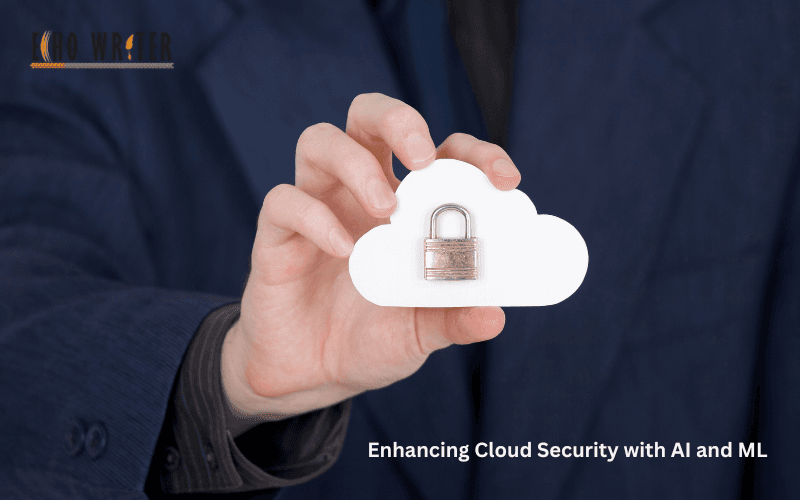
Enhancing Cloud Security with AI and ML
Cybersecurity is of particular concern to businesses using cloud computing, and AI and ML are playing a key role in enhancing cloud security. What the machine learning algorithm can detect is unusual behavior or anomalies in the cloud environment that could spell threats before these turn into breaches. AI-powered security tools provide customers with an indispensable layer of monitoring and detection in real-time, thus offering a business a proactive approach toward safeguarding data. All these technologies assist in automatic processing of quite a large volume of security processes by eliminating human errors, thus perfecting mainstream cloud security.
Optimizing Cloud Resources and Cost Management
AI and ML are thus helping businesses optimize cloud resources much more efficiently than ever before. Tools such as AI-prefaced ones can analyze the usage pattern in the cloud to suggest resource allocation strategies so that a company pays for their usage of the cloud. With demand forecasting, AI makes it possible to achieve scalable up-or-down, real-time cloud services with actual usage in tow. These optimizations thus help reduce waste and over-provisioning, which is what makes cloud computing cost-effective.
Industry-Specific Impacts of AI and Machine Learning on Cloud Computing
AI in Healthcare Cloud Solutions
AI-driven cloud solutions are at work in the healthcare sector. AI-enabled cloud platforms allow real-time analysis of patient data, predictive healthcare analytics, and high accuracy in diagnosis. Cloud computing enables the storage of large volumes of data, including medical records, and makes them readily available while processing them securely through AI and offering better care to patients. Machine learning algorithms can help doctors detect diseases much before they become unmanageable, so as to present customized treatment plans with data-driven methodologies for improved care.
AI and Cloud in the Entertainment Industry
AI and cloud computing further revolutionize the entertainment sector by making content creation, distribution, and users’ experience personalization easier. Services like streaming through Netflix and Amazon Prime have started using the power of cloud computing systems powered by AI to predict and analyze individual preferences and trends in viewing. Additionally, AI-based tools will enable much better content creation in graphic production, special effects, and animation. Cloud storage will also ensure that huge amounts of media are stored securely and accessed on-demand worldwide by users.
AI and Cloud Computing in Manufacturing
Innovation in AI and cloud computing is transforming the manufacturing industry. For example, with AI and the cloud, industrialists are managing supply chains and equipment more intelligently. Predictive maintenance is the next big thing in the realm of manufacturing. Based on IoT devices on the factory floor, AI-powered cloud can provide immediate insights into equipment performance and hint at probable failure. This limits interruption and further optimizes production. Cloud-based AI models help with inventory management as well; they use demand forecasting to automate the ordering process.
Challenges in Implementing AI and Machine Learning in Cloud Computing
Data Privacy and Security Concerns
The integration of AI and ML into cloud computing presents numerous challenges as it consumes both in-house data science and cloud architecture, which remains highly scarce in most organizations. Establishing, managing, and making the AI-based cloud environment operational requires planning and robust infrastructure skills, plus the professionals who could operate such architectures. For most organizations, complexity levels attached to AI integration create a slowdown effect in adoption. However, these can be overcome with joint partnerships with cloud service providers that offer AI solutions and support.
Complexity in AI and Machine Learning Integration
The reliance of AI and ML on large amounts of data means data privacy and security become the biggest issues cloud computing will face. Businesses have to ensure information is not accessed or shared without permission and that the data itself is not breached while processing and storing it. Compliance with data protection regulations such as GDPR, CCPA becomes a must when handling personal and financial data. Advanced security measures, including encryption and regular security audits, help cloud providers to mitigate such concerns.
Ethical Considerations in AI Use
The increase in use of AI and machine learning to be integrated into cloud computing brings about other ethical considerations. Businesses should ensure that overall AI models are transparent, non-bias, and do not inadvertently advance discrimination or inequality in society. Proper auditing of algorithms and maintaining human oversight of the AI functions ensures an ethically just use of AI. Cloud providers and businesses should collaborate in developing mutual ethics pertaining to the use of AI in determining how fairness, transparency, and accountability can be realized in the context of AI-driven cloud solutions.
The Future of AI and Machine Learning in Cloud Computing
The Rise of AI-Powered Cloud Platforms
As we enter 2024 and beyond, cloud platforms will come to be AI-friendly by providing intelligent tools for the automation of businesses and in data analysis and decision-making. Through pre-built models, APIs, and easy integration solutions, adoption becomes easy. Hence, the marrying of AI with cloud computing does democratize such technologies to even be used by the smallest business to tap on the strength of AI without requiring any special expertise.
AI-Driven Automation in Cloud Management
Further, automation with AI will help drive cloud computing since managing a cloud should no longer be manual. AI will take over more administration, more resource allocation activities, security monitoring, and many more similar duties from the IT teams to undertake strategic initiatives. As experience builds, machine learning models will become more efficient, scalable, and much more secure as contrasted with traditional cloud infrastructures. The need for industrial AI services will be accelerated.
AI and the Edge-Cloud Synergy
In this next wave of growth, AI and cloud computing will complement each other with edge computing at the hub. Edge computing will bring analyses nearer to the source, remove latency, and support real-time decisions in lieu of the decisions that lag behind, whereas cloud computing gives the scale and storage required. Deploying AI models in the edge will help analytics get faster for businesses in autonomous vehicles, smart cities, and IoT, among others, to leverage real-time data for instant action and insights.
Conclusion
Integration of AI and machine learning into the horizon of cloud computing is bringing tremendous intelligent, efficient, and adaptive growth to businesses. Optimization of data management takes place along with streamlined resource allocation. However, AI-based cloud solutions are changing business scenarios mainly due to responses to security, simplicity, and ethics. The diffusion of more developed AI-powered cloud platforms would be indicative of the fact that businesses of all sizes were allowed to make full use of the potential of cloud computing in terms of driving growth, innovation, and efficiency.
FAQs
How are AI and machine learning improving cloud computing?
AI and machine learning now innovate cloud computing by process automation, enhancement of data management, optimized resource allocation, and general security through the monitoring of real-time data and predictive analytics.
What are the benefits of using AI-driven cloud platforms?
AI-based cloud platforms are good for quick processing of data, improving decision-making, keeping costs low, providing for high levels of cybersecurity, and being able to scale resources up and down based on demand.
What challenges do businesses face when integrating AI with cloud computing?
To make AI work, one of the main challenges that businesses face is to provide privacy and security over data, compete with the intricacies of AI integration, and bring out a solution to ethical issues related to bias and transparency in an AI algorithm.
How does AI help with cloud security?
AI and cloud security erupt as the whole point of incorporating AI is to upgrade cloud security by identifying anomalies, potential threats, and automated real-time threat responses that reduce the risk of cyberattacks and data breaches.
What is the future of AI and machine learning in cloud computing?
The future of AI and machine learning in cloud computing will be AI-powered platforms for automation, which can automatically implement some sort of edge to cloud integration and hopefully see the widespread use of AI-driven tools and appliances for making cloud management easy and efficient.
The Growing Importance of Cloud Migration for Small Businesses
Cloud migration is essential for small businesses in 2024 because it can help improve efficiency, scalability, and costs. Small businesses would get to enjoy powerful tools and resources the big firms previously benefited from after migrating data, applications, and their IT infrastructure into the cloud. Cloud migration brings huge flexibility and security to a company with minimal investment in expensive hardware and on-site maintenance services.
Why Cloud Migration is Key for Growth
Indeed, the small businesses of today are fast realizing the importance of embracing cloud migration strategies. Cloud migration makes it easy for firms to scale operations rapidly, enhance security, and sharply reduce the operational cost of running a business. Embracing the cloud is going to be the future-proofing of your operations, keeping you in competitive mode, and surely responding to the changes in your markets more sharply. On the other hand, despite this, despite its advantages, there are challenges involved in cloud migration that businesses have to navigate to ensure a good transition.
Key Benefits of Cloud Migration for Small Businesses
Cost Savings and Resource Optimization
One of the main advantages of migrating a small business to the cloud is that it avoids huge costs. Running a business in the cloud does away with all this costly hardware running at the on-premise physical location and also reduces costs associated with running a physical infrastructure. The various service providers offering the cloud services have flexible pay-as-you-go pricing models and might let only those charges be incurred towards payments by small businesses depending on their resource usage. This ability of scaling ensures that a business will incur all the possible suitable optimized expenses so they could take their resources effectively.
Improved Scalability and Flexibility
Scalability of cloud platforms supports the small business’s ability to go up or down in volume. It helps firms that are growing or experiencing fluctuations in workload. Cloud migration is easy to scale for any additional storage, computing capacity, or new applications with little investment in capital. It enables a small business to respond quickly to market fluctuations or changing customer needs. The issues are huge in small businesses.
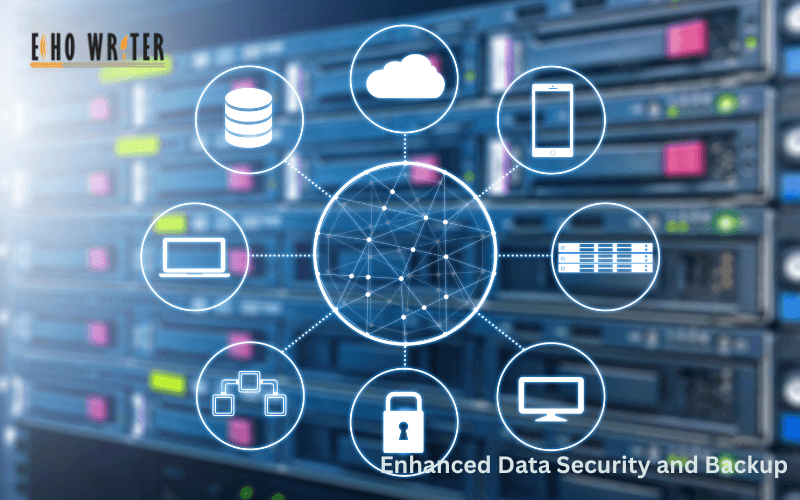
Enhanced Data Security and Backup
The security aspect is a matter of prime importance for small businesses. Cloud migration offers a very safe place to store and manage data. Cloud providers heavily invest in security solutions in regard to encrypting the data, multi-factor authentication, and frequent updates against known cyber threats. It also provides automated backup and disaster recovery solutions such that critical business data remain safe and can be accessed at any point in case of a system failure or breach.
Challenges of Cloud Migration for Small Businesses
Data Migration and Downtime Risks
One of the greatest challenges in cloud migration is data loss or some amount of downtime during the process. Large amounts of data and applications moved from a premise to the cloud add complexity to an organization’s processes, and service disruptions can considerably impact business activities. For small businesses, even a short amount of time would result in lost revenue and decreasing customer satisfaction. Planning migration requires a meticulous evaluation of the cloud service provider to be selected and using as few disruption tools as necessary.
Security and Compliance Concerns
While the cloud providers have enhanced security, the small business enterprise still needs to ensure its data is secure at all times in both the transition and post-transition phases. Another challenge of cloud migration is compliance with data protection regulations, especially if the company deals with sensitive information relating to the customers, such as GDPR or CCPA. In this regard, firms should thus ensure that it has a robust security mechanism to reduce the risks associated with cloud migration, monitor the transfer of data with caution, and ensure the cloud service providers must comply with applicable regulations.
Cost Management and Overspending
Although migrating to the cloud can save much money, small businesses can mismanage their cloud-provided services, owing to which they will end up paying for the resources they do not need. Moreover, there is a necessity to monitor the usage of cloud resources consistently, optimize the distribution of resources, and make use of the cost-cutting features offered by a cloud provider, such as auto-scaling and alerts concerning idle resources.
Cloud Migration Strategies for Small Businesses
Gradual Migration Approach
Gradual migration is the best approach for smaller businesses. They need not migrate all their operations in one go; they can start by migrating specific applications or workloads, such as email, CRM systems, or data storage. This way, they will not experience too many disruptions as they test the cloud environment and assure themselves of everything working there before completely committing to the cloud.
Hybrid Cloud Solutions
Hybrid cloud solutions, where both public and private cloud environments are integrated, have gained popularity among small businesses. Businesses will now be able to have the scalability of public clouds while maintaining sensitive data under control within a private cloud environment. Flexibility is also being offered by hybrid cloud solutions since businesses can employ the best environment for each workload to ensure efficient and cost-effective cloud migration.
Partnering with a Managed Service Provider
The many small businesses in this category do not have the competencies within their organization to execute the complex cloud migration. The way for a managed service provider will be a perfect fit, as it is specialized in cloud management and offers its services from planning to execution and support after that. Small businesses can rest assured that their migration will be smooth and safe and focus fully on core operations.
The Future of Cloud Migration for Small Businesses
The Rise of Edge Computing
One of the important trends in cloud migration is an edge-computing style closer location of data processing close to the source data. It then cuts down on latency and lifts the performance of applications for small businesses, while at the same time improving security by reducing data transfers to the central cloud servers. Over time, the hybrid approach that will put together these two will become the most embraced by small businesses.
AI-Driven Cloud Solutions
Artificial intelligence is changing how people carry out cloud migration. The main agendas that can be mechanized through AI include data transfer, resource optimization, and security administration. AI-based cloud suites can read into the business needs and take an automatic adjustment of their resources to achieve optimum performance. Using AI-driven solutions for a small business makes the entire process required when migrating to the cloud simple; therefore, effective management of these cloud environments.
Sustainable Cloud Practices
As business enterprises grow more focused on sustainability, cloud providers are becoming more eco-friendly in minimizing the negative impacts of data centers on the environment. Thus, by 2024, small businesses will continue looking for cloud providers that focus on energy efficiency and green initiatives. Sustainable cloud migration will not only align with environmental imperatives but also reduce energy costs and enhance corporate social responsibility reputation for a company.
Conclusion
It is important that small businesses migrate to the cloud as they stand to derive cost-saving advantages, scalability, and higher security of data. A company can undertake operations smoothly with more flexibility to utilize new technologies without significant capital investment required in migrating towards the cloud. But there are various challenges of migration, including security management; minimum downtime is experienced; and costs are controlled. As a small business would need to decide on a gradual migration approach, hybrid solutions, and partner with experienced providers, the chances for successful navigation through the cloud landscape and positioning for future growth are ensured.
FAQs
What is cloud migration, and why is it important for small businesses?
Cloud migration means moving data, applications, and IT infrastructure from on-premises servers to the cloud. It matters more to small businesses because it would reduce spending, scale, and improve security in their data.
What are the key benefits of cloud migration for small businesses?
The benefits that come with it include cost savings, improved flexibility, enhanced data security, and the ability to scale operations quickly without investment in huge hardware.
What are the main challenges small businesses face during cloud migration?
Challenges include data migration, security and compliance, reducing downtime, and avoiding overspending on resources in the cloud.
How can small businesses manage the costs associated with cloud migration?
Small businesses can keep control of costs by monitoring their usage of the cloud, using cost-efficient features such as auto-scaling, and the fact that they work with a managed service provider to optimize resource utilization.
What role will AI play in cloud migration for small businesses in the future?
Artificial intelligence is especially going to step up automation and management of cloud migration activities, optimize resource utilization, and advance security for easier processing and efficiency in cloud migration for small business ventures.
As business operations are moving to the cloud, sensitive data has come under pressure in the form of cloud security. Cloud environments will only grow in 2024, where organizations will store large amounts of customer information, intellectual property, and financial data online. In business as well as in customers’ best interest, these cloud environments must have the element of strong cloud security so as to prevent cyber threats and breaches and ensure compliance, which will ensure business continuity and trust.
Why Strong Cloud Security is a Priority in 2024
Business safety now takes the crucial position of applied measures against cyberattacks on cloud infrastructures. As more and more industries take into digital transformation remote work and collaboration on the cloud, among other points, the attack surface gets pretty aggressive for cybercriminals. Now businesses reduce risk, prevent unauthorized access, and make their data safe and secure in the emerging digital space by adopting the best cloud security practices.
Best Cloud Security Practices for 2024
Implement Multi-Factor Authentication (MFA)
One of the best ways to strengthen cloud security in 2024 is multi-factor authentication. MFA requires verification of identity through methods of multiple authentications, such as a password matched with a one-time code, accessed via their mobile device. This is the best way to avoid unauthorized access in case the password is compromised. It is hence necessary for protecting sensitive data stored in the cloud.
Use Encryption for Data Protection
Encryption is one of the best practices in ensuring cloud data security. Encrypt all data in their rest and motion states. Businesses can hide data from unauthorized users even in cases of successful hacking through their environment. In 2024, encryption can be an absolute component of cloud security; sensitive information will be shielded from hackers and malicious actors.
Regularly Monitor and Audit Cloud Environments
Continuous monitoring and auditing shall assure the safety of a cloud. Tools for security monitoring must be present in every enterprise to monitor unusual activity and detect possible threats so that in real-time responses to security incidents can be triggered. Frequent audits ensure that security policies and configurations are always up to date, compliance with industry regulations is never compromised, and such vulnerabilities are identified early enough not to allow data breaches.
Advanced Cloud Security Practices for Different Industries
Cloud Security in Healthcare
In an industry like healthcare, where confidentiality of patient information is extremely critical, cloud security becomes important for companies operating within HIPAA and its regulations. Tight controls such as encryption, MFA, and data access controls must be exerted by healthcare providers over sensitive patient information stored in the cloud. In 2024, the cloud will have some very big areas on security when it comes to protecting electronic health records and ensuring telemedicine services are properly delivered.
Cloud Security in Finance
The finance sector faces a number of challenges that are strongly related to the security of the cloud, primarily due to the sensitivity of most financial transactions and information regarding their clients. Therefore, financial institutions need to ensure that they apply very strict security measures such as real-time monitoring of all activities, encryption of data, and rigorous authentication protocols to avoid incidents of data breaches. In the year 2024, there will be an emphasis at the core based on ensuring that digital banking solutions, payment systems, and financial trading systems are safe.
Cloud Security in Retail and E-Commerce
Securing a customer’s payment information and personal data will be the gold key for the retail and e-commerce sectors. Cloud security would play a strategic role in securing sensitive customer information against theft and fraud as online shopping would continue gaining ground. Retailers should ensure strong security practices, such as tokenization, which replaces sensitive payment information with a unique token, and secure payment gateways. Security in the cloud will be the most vital importance retailers must focus on in 2024 in order to secure the trust of their customers and make all financial transactions through their site.
Challenges in Maintaining Cloud Security
Misconfiguration of Cloud Settings
Misconfigurations are among the leading causes of security breaches in the cloud. Data is left vulnerable since access controls are weak or the storage buckets are unsecured owing to improper cloud configurations. Business operations in 2024 will call for proper configuration management and checking of the settings in their cloud security systems more often to avoid giving unauthorized users access to data.
Data Breaches and Cyberattacks
The development of attacks on cloud environments is rising day after day, and companies need to be prepared to battle as well. In the coming 2024 year, there is likely to be high-level threats coming from ransomware, phishing, and malware to compromise the infrastructure of the clouds. Intrusion detection systems, firewalls, and proper security patching are necessary for avoiding breaches in cloud security.
Compliance with Data Protection Regulations
More stringent data protection laws have been made across the world, and any company has to follow such regulations while considering cloud security. Companies are expected to comply with such regulations during 2024 and not receive legal penalties for non-compliance with their regulations, such as GDPR (General Data Protection Regulation) and CCPA (California Consumer Privacy Act). Access controls that are strict, encryption, and regular security audits are to be implemented so that the companies can comply with such laws.
The Future of Cloud Security: Trends to Watch
Zero Trust Architecture
Zero Trust architecture is gaining speed as a vital strategy in 2024 to enhance cloud security. Zero Trust assumes that no user, device, or application should be trusted by default, both inside and outside the network, which makes use of continuous authentication and verification processes to access the resource in the cloud. A Zero Trust approach will protect any sensitive data from any insider threat as well as external attacks, irrespective of the user’s location.
AI-Driven Cloud Security Solutions
This is because AI is becoming a more integral aspect of the cloud security functions, allowing businesses to detect threats much faster and respond in ways that were never possible before. AI-led security tools analyze tremendous amounts of data in real time and can identify possible patterns that may indicate a threat to security while also automating the process of response in the face of danger. AI-led cloud security solutions will help businesses strengthen their defenses and see an overwhelming 75 percent cut in discovery and response time by 2024.
Privacy-Enhancing Technologies (PETs)
Privacy-enhancing technologies will decide the face of cloud security in 2024. PETs are homomorphic encryption and differential privacy, among others. These PETs enable a business organization to process and analyze data fully in confidence without in any way being detrimental to its confidentiality. Therefore, it would be possible to keep data safe yet allow the complete exploitation of the cloud’s potential. These technologies would probably be key to those industries that are sensitive, including finance and healthcare, requiring a balance between innovation and real serious privacy concerns.
Conclusion
In 2024, maintaining robust cloud security will be essential for businesses looking to protect sensitive data, maintain regulatory compliance, and safeguard customer trust. Implementing best practices such as multi-factor authentication, encryption, and continuous monitoring can significantly reduce the risk of data breaches. However, businesses must also stay ahead of evolving threats by adopting advanced security measures, such as Zero Trust architecture and AI-driven solutions. By prioritizing cloud security, companies can ensure that their cloud environments remain secure in an increasingly digital and interconnected world.
FAQs
What is cloud security, and why is it important in 2024?
Cloud security is basically the practices and strategies aimed at protecting cloud infrastructures, data, and applications from cyber threats. In the year 2024, cloud security has emerged as one of the most important aspects for businesses ensuring sensitive data and compliance with changing regulations.
What are the best practices for cloud security?
Best practices in cloud security are to provide multi-factor authentication to data as well as encrypt and continuously monitor it, along with regular security audits. Such measures will prevent hacking and protect sensitive data residing in the cloud.
How can businesses protect against data breaches in the cloud?
Businesses can protect against data breaches by using encryption in a proper way, having strong access controls, and carrying out regular monitoring of the cloud environment. Proper configuration management of cloud settings can also be added.
What is Zero Trust architecture in cloud security?
Zero Trust is a model of security that takes into account that bad actors have already compromised inside or outside the network. All users, applications, and devices accessing the cloud will have to be verified continuously. This adds robustness to the security features of clouds because one minimizes trust and prevents any unauthorized access.
How will AI impact cloud security in 2024?
AI will enhance cloud security because it can create the opportunity for companies to detect and respond to threats in time. AI-based security technologies process real-time large data inputs, identify anomalies in data, and automatically respond to minimize the risk.
The Growing Importance of Cloud Computing in Business
As we enter 2024, cloud computing has and remains a fundamental driving force of digital transformation for companies of all industries. The possibility of storing, managing, and processing data across the internet has enabled companies to become more efficient by reducing costs and offering more flexibility. Amid the fast-paced business world, becoming up-to-date about the latest trends about cloud computing will serve as the best opportunity to remain competitive and future-proof operations.
Why Businesses Should Focus on Cloud Computing Trends
Cloud computing is no longer an option but a must-adopt for any agile and scalable business. It has become part of the strategy of any business around today because it becomes more flexible as a software-supported work system, offers powerful data analytics, and more. Understanding the basic trends of cloud computing will help companies make the right decisions on how to use this technology toward more successful achievement of goals in 2024 and beyond.
Top Cloud Computing Trends for 2024
Hybrid Cloud Solutions Gaining Momentum
Hybrid cloud solutions are one of the biggest trends in cloud computing. This year, many more business enterprises will combine private and public clouds to create a flexible and optimized infrastructure. Hybrid cloud simply balances scalable and secure public cloud services with the private cloud environment and control. It offers such flexibility so that sensitive data can be stored securely while still being able to take advantage of the agility and cost-efficiency of public cloud services.
AI and Machine Learning Integration with Cloud Computing
Cloud computing will soon integrate much AI and ML practices. Nowadays, most cloud service providers offer AI and ML-based tools that help businesses analyze big data sets, automate highly complex tasks, and take data-driven decisions much faster. Such predictive analytics and intelligent automation of cloud services empower companies to innovate and deliver much more personal experiences to their customers. With its advancement, the symphony with the cloud is going to benefit it at all levels concerning the streamlining of efficiency and productivity for business uses.
Multi-Cloud Strategies for Enhanced Flexibility
Companies will tend to become more multi-cloud-friendly in 2024, using multiple cloud service vendors rather than relying on a sole vendor. Companies with a multi-cloud setup have more flexibility since they can opt for the best services from different providers based on their needs. It also reduces the vendor lock-in risks and guarantees better business continuation in case of disruptions or outages in the cloud. Multi-cloud strategies allow organizations to optimize performance, increase scalability, and reduce dependency on a single cloud provider.
Key Cloud Computing Trends Across Industries
Cloud Computing in Healthcare
Among the most significant areas of high-growth adoption of cloud computing is health care. All cloud-based solutions allow health care providers to provide secure storage and access to medical records, telemedicine, and enhanced data analysis for better care of patients. While it remains to transform health care in a more collaborative approach among medical professionals and streamline healthcare data management in 2024, cloud computing will continue to play a key role. With greater restrictions on data privacy being implemented across the healthcare industry, this will look for secure and compliant cloud infrastructures for the protection of sensitive information.
Cloud Computing in Finance
The finance sector, at all times, has been leading other sectors in the adoption of cloud computing for efficiency in their operations and the seamless delivery of customer experiences. The financial institutions are most likely to make extensive use of cloud technology in 2024 to improve their digital banking services, automate transactions, and provide financial products tailored to personalized customers’ needs. Cloud computing will also greatly benefit the management of cyber within the finance sector by providing advanced security features and real-time threat detection.
Cloud Computing in Retail and E-Commerce
Retail and e-commerce firms rely on cloud computing to scale up, optimize supply chains, and improve customer interaction. In 2024, retailers will increasingly use data analytics in the cloud to discover customer behavior, manage goods effectively, and eventually personalize marketing strategies. A cloud computing approach lets retailers manage online platforms much more efficiently and better position them in developing great experiences for their customers across digital media. As e-commerce expands, this will continue to be accomplished with the help of cloud computing.
Challenges Businesses Face with Cloud Computing Adoption
Data Security and Privacy Concerns
One major challenge that organizations face is cost management when it comes to cloud computing. Cloud’s cost-effectiveness and flexibility are tempting, while improper management may pose an enormous challenge in the expenses area. Management will have to carry out periodic reviews of their usage of the cloud with optimum cost usage through the usage of cost-saving tools, rightsizing cloud resources, and monitoring service usage. Organizations looking forward to an increased return from their investment in the cloud would note cloud cost management as an important priority in the year 2024.
Managing Cloud Costs
The other challenge that businesses face is controlling the expense of cloud computing. Although cloud computing scales and is flexible, it can quickly get out of hand if left uncontrolled. Companies have to size up their use of the cloud, optimize their spendings, leverage cost-cutting tools, rightsize cloud resources, and monitor service usage. In 2024, every organization will hold managing cloud costs above everything else, all while maximizing return from the investments made in the cloud.
Complexity of Cloud Integration
It is also true that most of the companies with legacy systems find integration of cloud computing within their infrastructure quite challenging. In data migration, applications, and processes to the cloud, care needs to be taken at each stage to avoid disruption and loss of data. Moreover, in such an enterprise, employees need training in using the service; namely, sqscompanies need to invest in proper cloud integration strategies and need to provide training programs to ensure smooth transitions.
The Future of Cloud Computing: Trends to Watch
Edge Computing and Cloud Synergy
The future of cloud computing will be Edges. The term edge points to the mechanism of processing data close to its origin and reduces latency for performance improvement in application areas that require real-time processing. This is why in 2024, edge integration with cloud computing will help enterprises process an overwhelming amount of data well, and indeed, markets like self-driving cars, smart cities, and Internet of Things devices will experience this.
Serverless Computing for Greater Agility
Businesses are bound to go serverless, and it allows one to develop and deploy one’s applications without having to be bothered about the management of servers. Consequently, this kind of architecture will pick up quite a pace next year, 2024, since they promise more agility along with faster development cycles combined with lower operational overheads. Companies can focus on development and scaling applications with serverless computing, while the cloud provider takes care of managing infrastructure.
Sustainability and Green Cloud Solutions
Business sustainability becomes a concern for all organizations, and eco-friendliness is being taken into account with the help of cloud computing as a measure towards environmental concerns. In 2024, further advancement of using more green sources of energy in their data centers by most cloud providers to optimize their energy efficiency is expected. Businesses looking towards cloud computing have a greater stake in achieving their sustainability objectives from such vendors that bring their carbon footprint into abeyance. The bigger environmental concerns leading to sustainability will be a prime mover for using the utility of cloud computing.
Conclusion
As we enter the future of 2024, it is truly cloud computing that would shape the new business operations across all industries. From hybrid to multi-cloud strategies and integrating AI and machine learning, cloud knowledge needs to be fresh for the firms as competition mounts. However, the issues of data security and cost management besides cloud integration are going to be significant ones ahead in the world of this business scenario. By acknowledging such challenges and embracing new trends like edge computing and serverless architecture, companies can tap into cloud computing in the coming years and accelerate growth and innovation.
FAQs
What are the key benefits of cloud computing for businesses in 2024?
Among the benefits of its adoption by businesses in 2024 include flexibility and scalability, reduced operational costs, access to emerging advanced technologies such as AI and big data analytics, and much more.
What is the difference between hybrid cloud and multi-cloud strategies?
A hybrid environment is that which combines both a public and private cloud environment. A multi-cloud strategy involves the use of multiple cloud providers to optimize performance, minimize risks, and increase flexibility.
How can businesses ensure data security in the cloud?
Proper security for data in cloud computing can be ensured with the help of encryption, multi-factor authentication, constant monitoring of the cloud environment for vulnerabilities, and strict compliance with regulations pertaining to data protection.
What is edge computing, and how does it relate to cloud computing?
Cloud computing ensures business security of data through encryption, multi-factor authentication, and scanning the cloud environment to look for vulnerabilities on a regular basis. The compliance of data protection regulations is also of prime importance.
How will sustainability impact cloud computing in 2024?
Cloud computing will make sustainability significantly more prominent in the year 2024-as more providers focus on green usage of energy sources and, importantly, rationalizing their data centers for efficiency of energy use, thereby better enabling businesses to meet their environmental goals.
The Role of Agile in Driving Continuous Innovation
In such a fast-paced business environment, continuous innovation is the way by which competitiveness can be sustained. In this sense, Agile methodologies represent a very strong catalyst for such an innovation. Agile is well known for iterative project management and product development by applying responses across the team concerning the issues and mistakes, thereby helping teams time and again to adapt, improve, and innovate. This further allows the response of businesses towards feedback promoting continuous innovation in their business strategy.
Agile encourages continuous innovation. It is flexible, collaborative, and customer-centered. Old systems of development naturally create structures that do not give the company much space to innovate. Agile stimulates adaptation and experimentation to be able to cope with changes in the market and the needs of customers. This way, companies are able to continually change their products and services, leading to continuous innovation.
Collaboration and Feedback: The Heart of Continuous Innovation
Continuous innovation in an Agile framework has been described as requiring collaboration and feedback. The teams and stakeholders must maintain constant communication that indicates a flow of ideas; hence, they should be able to help organizations find new solutions faster. Scrum and Kanban Agile practices are geared toward encouraging iterations and the feedback loop. As such, the team can change their approaches over real-time iterative activities. Creativity and rapid problem-solving to drive continuous innovation require close collaboration.
How Agile Methodologies Enable Continuous Innovation
Iterative Development and Rapid Prototyping
One of the fundamental features of Agile lies in iterative development. This allows teams to divide large projects into cycles and deliver incremental improvements at every step of the process. In such a process, rapid prototyping is sped up to ensure that products are continually experimented on in order to improve them based on user feedback. Iterative development continues in the fire of innovation as it allows businesses the flexibility to adapt or change quickly; thus, in every iteration, the needs of customers and the trend of the market are brought to the surface.
Flexibility in Responding to Change
Agile allows for the flexibilities needed to be agile in the face of changes in the market, changes within the customers, or even new technology arrangements. Agile is open to change, which cannot easily be achieved within traditional approaches since they may not be easily changed in the face of change. Flexibility is important in continuous innovation and, for that reason, helps teams make course corrections while perfecting their offerings without being protracted by rigid processes. The ability to iterate and adapt allows businesses to stay at the leading edge of innovation.
Cross-Functional Teams Fueling Continuous Innovation
Agile places much importance on cross-functional teams, individuals who have a rich set of skills and expertise. This enhances continuous innovation since various views and creative solutions pop up. In cross-functional teams, developers, designers, marketers, and other professionals come into play when solving problems, sharing ideas, and innovating. Innovation here is not left in one function but is surrounded by an entire organization.
Agile in Different Industries: Catalyzing Continuous Innovation Across Sectors
Agile in the Tech Industry
Agile methodology is the bedrock of continuous innovation in the tech sector. For instance, the Google, Microsoft, and Amazon companies rely on Agile practices such as Scrum and Kanban to initiate process simplifications of their software development so that quick updates can be delivered. This type of iterative approach has made it possible for tech companies to innovate and develop successive new features and improvements of their products. Such an innate nature of constant feedback loops in Agile enables tech companies to stay a step ahead in an innovation-driven competitive market.
Agile in Healthcare
Another area is that the healthcare industry also embraces Agile methodologies for continuous innovation in the care provision sector. They find agile principles of medical technology firms and pharmaceutical companies as a means of speeding up research and development, ensuring better care for patients, and reducing time to finalize clinical trials. Agile makes it easy for healthcare organizations to respond speedily to new regulatory requirements or medical discoveries, creating leverage for continuous innovation in treatments and healthcare delivery systems.
Agile in Manufacturing
The nature of the production of goods has necessitated the integration of Agile methodologies into manufacturing industries as a path to persistent innovation in the design and production process of the product. Agile gives way to the production of rapid prototypes, streamlines workflows, and enhances quality by focusing on iterative progress. Agile opens avenues for companies to respond more effectively to the dynamics in the market and customer feedback, hence creating innovation in an otherwise rigidly structured industry.
Challenges in Implementing Agile for Continuous Innovation
Resistance to Change
Perhaps the greatest hurdle to applying Agile methodologies to enable continuous innovation is a mindset of resistance that exists within organizations. It would have traditionally been risky to contemplate any form of disruption to hierarchical structures and focus purely on flexibility and adaptability instead. Therefore, achieving such gains would give way to a culture that focuses on continuous innovation—because it lets teams take greater risks, experiment with new ideas, and reap meaningful change.
Maintaining a Balance Between Speed and Quality
While Agile focuses on rapid development, there is a risk that speed could come at the cost of quality. However, Agile will balance speed with testing, feedback, and continuous improvement, which will help the teams to achieve this balance. The way forward in ensuring that there is high quality with continuous innovation will be key to delivering products that meet customer expectations and consequently maintain competitiveness.
Scaling Agile Across Larger Organizations
Scaling Agile throughout large organizations has challenges, especially when teams are fragmented within different departments or geographic locations. Such diversified setups necessitate constant communication and collaboration among various teams to maintain the momentum of continuous innovation. To do this, the organization must ensure that it is implementing processes and tools that will enable teams to collaborate effectively at scale without losing the innovation as companies grow.
The Future of Agile Methodologies in Driving Continuous Innovation
AI and Automation Enhancing Continuous Innovation
Future Agile methodologies will focus on AI and automation and become a new accelerator to continuous innovation. Such tools as AI can look into large volumes of data, be able to predict trends, and streamline workflows for teams to be free to focus on higher-level problem-solving tasks and creative activities. Agilability becomes, therefore, an opportunity for the capacity of organizations to innovate quickly and efficiently and to stand at least at the level above the norm in terms of disruption in the industry.
Agile in Remote and Hybrid Work Environments
The new phenomenon of remote and hybrid work, under which the team’s mode of operation is constantly changing, is unleashing changes in the way Agile teams should be structured and operated. This trend, however, has presented a wide array of opportunities that sustain continuous innovation. Agility underscores flexibility and teamwork, making it very effective for remote work situations where teams rely solely on digital tools for communication and provision of feedback. More so, remote teams can continue innovating through the application of the principles of Agile that sustain adaptability and teamwork across regional boundaries.
Sustainable Innovation Through Agile
Businesses are increasingly targeting sustainability, and Agile methodologies may be used to promote sustainable practices through continuous innovation in eco-friendly product design and operations. Iterative development through rapid prototyping can help companies test and validate sustainable solutions better. It, therefore, supports business growth while enabling organizations to meet environmental goals through their innovations.
Conclusion
Agile methods are an excellent engine for steady innovation across industries that empowers businesses to adapt and experiment with quicker results and effective improvement of products and services. Being collaborative, flexible, and encouraging iterative development at every step makes it easy for a team to innovate, as Agile supports all through the process. There will always be resistance to change and scaling Agile practices, but this is more than enough to outweigh the obstacles. It will further continue playing a vital role in fostering continuous innovation with further transformation. It will open itself even more towards remaining the leader in streamlining tasks for outstanding performances in the workplace due to the help of emerging technologies like AI and automation.
FAQs
How do Agile methodologies support continuous innovation?
This means agile methodologies support continuous innovation by encouraging iterative development, regular feedback loops, and cross-functional collaboration. This enables teams to pivot quickly, experiment, and constantly improve their products.
Which industries benefit the most from Agile-driven continuous innovation?
Technology, health care, and manufacturing industries benefit most from agile-driven continuous innovation because such industries need rapid development and agility to remain ahead of competition.
What challenges do organizations face in implementing Agile for continuous innovation?
It involves several challenges like resistance to change, maintaining balance between the speed of agility and quality, and scaling up Agile methodologies over an even larger organization. These are enough reasons why overcoming them is crucial for fostering continuous innovation.
How does collaboration contribute to continuous innovation in Agile?
Collaboration is at the core of what makes Agile capable of continuous innovation. Cross-functional teams bring different ways of thinking and encourage creativity with problem-solving, and regular communication permits the introduction of new ideas instantly.
What role will AI and automation play in the future of continuous innovation?
AI and automation shall further take continuous innovation to a higher scale through the following ways: streamlining workflows to maximize focus; predictive trends for greater accuracy; and automating repetitive tasks, which in turn permit teams to focus more on innovative problem-solving and strategic decision-making.
Embracing Sustainable Innovation for Future Growth
Today, the world is of concern for nature, and sustainable innovation turns out to be one of the major drivers for business growth while being an important driver of environmental-conscious practices. Companies are now coming out with strategies that not only improve their competitive advantage but also decrease impacts on their environment. Incorporation of sustainable approaches turns out to be a core part of innovation since global regulation is becoming stringent and consumers are asking for more eco-friendly solutions. Sustainable approaches in their operations enable businesses to achieve long-term growth simultaneously with ensuring environmental sustainability.
Why Sustainable Innovation is Essential
Apart from concern for the environment, a huge demand for sustainable innovation forms a more substantial cornerstone for securing profitability and relevance in an always-changing marketplace. Most businesses cut costs, increase brand loyalty, and enhance operational efficiency when they adapt sustainable strategies. Sustainable innovation promotes a responsible culture by ensuring that organizations make investments in renewable energy, waste reduction, and a circular economy model. These strategies lead to the ultimate ends of more efficient production methods, carbon footprint reduction, and market position.
Key Elements of Sustainable Innovation
Eco-Friendly Product Development
Sustainable innovation works toward the manufacture of products that can address the increasing demand for greener alternatives. Other companies are designing lower environmental impact products through sustainability, energy reduction, and recyclability. These innovations take steps such as biodegradable packaging and energy-efficient electronics made to minimize waste but aim at attracting environmentally concerned buyers. Businesses that focus on sustainable product development are well-equipped to meet future regulatory standards and consumer preferences.
Green Manufacturing Processes
Generally, sustainable innovation usually integrates sustainability practices in the production process. For example, energy-saving technology may help companies save millions of grams of carbon emissions and consume less energy. At the same time, other forms of renewable energy, such as sunlight or wind power, may be used to power the manufacturing plants. Companies also install water-saving technologies and waste-reduction strategies, thus reducing the environmental footprint of the firm while saving cost.
Sustainable Supply Chain Management
The second very important feature of sustainable innovation is sustainable supply chain management. Companies have now realized that supply chain management can be made in a way that minimizes the environmental damage done by supply chains through responsible sourcing and transportation emissions minimization. This would comprise working with suppliers who use sustainable materials, shipping route optimization to minimize fuel consumption, or even in options for eco-friendly logistics solutions. Environmental sustainability will contribute toward making a supply chain sustainable in addition to saving operational efficiency and resilience.
Industries Leading in Sustainable Innovation
The Technology Sector
The tech industry is among the leaders in terms of sustainable innovation. Many of the major tech companies are quite progressive in reducing their carbon footprint with energy-efficient product designs and investments in renewable energy resources. For instance, Apple and Google have committed to achieving carbon neutrality over all their operations. More to that, innovation by tech firms in various aspects like recycling of old devices, production of biodegradable components, and energy consumption in a data center.
Sustainable Innovation in the Automotive Industry
A comprehensive turn for the automotive industry is being taken toward a new world through sustainable innovation. At its fore, electric vehicles are not only cleaner than their traditional counterparts but also meet one of the greatest expectations to arise with the automobile in the future. Another significant investment through car manufacturers is putting into renewable energy to use in their manufacturing plants and finding ways to make vehicle interiors themselves more sustainable. These innovations would not only reduce emissions but also cater to increasing consumer demand for an eco-friendly mode of transportation.
Sustainable Practices in Retail and Consumer Goods
More and more, the retail and consumer goods industries are looking towards sustainable innovation that will minimize their environmental footprint. The use of sustainable packaging solutions is embraced by companies. They undertake promotional efforts for recycling programs as well as product designs with eco-friendly materials. The same consideration is given to making operations in retailing efficient with respect to energy consumption, which could be from eco-friendly store designs up to using renewable energy sources. By embracing sustainable innovation, companies in this sector can enhance their brand image while meeting the expectations of environmentally conscious consumers.
Challenges in Implementing Sustainable Innovation
High Initial Costs
The key challenge of adopting sustainable innovation is that it is highly capital-intensive in the beginning. Not only the development of green technologies but also reconfiguring supply chains and retrofitting manufacturing facilities incurs high expenses. However, the cost might be very high initially, but most businesses enjoy extensive long-term savings due to increased efficiency, lower consumption of energy, and less waste.
Regulatory Compliance
The arena of environmental regulations is complex, raising another challenge about the implementation of sustainable innovation. The number of local, national, and international regulations continues to grow in order to further reduce environmental impacts. This becomes a big test for companies involved in many regions as it becomes complicated to track how these regulations continue increasing. However, compliance with these standards helps avoid penalties and ensures a clean reputation for the brand.
Consumer Awareness and Acceptance
While many consumers have become increasingly conscious of their environment, not all have an understanding of the overall impact that their purchases have. Many corporations are still having to wrestle with convincing consumers to choose those sustainable products over the cheaper, less environmental options. Significant expenditure has to go into educating the consumer on what sustainable means in order to lessen the amount of resources used and to lay the benefits of sustainable over less sustainable options on the long haul. Increased awareness will heighten demand for sustainable products and, subsequently, make sustainable innovation the next competitive advantage.
The Future of Sustainable Innovation
The Role of Digital Technologies
Digital innovations such as AI and IoT are going to be principal drivers of further sustainable innovation. The use of digital technologies allows these businesses to optimize the way they use energy, produce less waste, and enhance operational efficiency in other ways. For example, an AI can help the companies determine some patterns in their use of energy and give recommendations on how to reduce as much waste as possible. Another example would be the devices monitored by IoT as tracking manufacturing processes with a view of ensuring that they run efficiently. Digital solutions will be here to stay as indefensible levers for ensuring environmental sustainability in industry.
Collaboration for a Sustainable Future
Businesses, governments, and NGOs will be necessary players in the future of sustainable innovation. This is self-evident; collaboration among stakeholders by mutual sharing or exchange of resources, knowledge, and expertise towards innovative environmental solutioning is to be expected. Public-private partnerships and cross-industry collaborations will speed up the uptake of sustainable technologies and contribute to a much more resilient global economy.
Sustainability as a Competitive Edge to thrive in the long term.
In the future, sustainable innovation will play a key differentiation role for businesses that would like to stand out from the rest of the fray. Companies that invest in sustainability will comply with not only regulatory requirements but also increasingly larger segments of environmentally conscious consumers. In the future, when sustainability becomes an integral value for both business and consumer, companies will be better equipped to succeed over the long run if sustainable innovation defines their core strategy.
Conclusion
Sustainability innovation can’t, but it is a way in which organizations are seeking for their growth and sustainability in the long term. This starts with the development of green products to green supply chain and manufacturing practices. Companies decrease their environmental impacts through more operational efficiencies. However, this path to sustainability is not without obstacles; considerable up-front costs or burdens include complexity with regulatory issues. Still, digital technologies and collaborative efforts will pave the way for businesses to exploit sustainable innovation as a principal growth driver and a friendly means of living.
FAQs
What is sustainable innovation?
Sustainable innovation is the process of designing products, services, and processes that are highly environmentally responsible while ensuring the maximum growth of the business. The approach is based on reducing the impact on the environment as well as designing solutions that are environmentally friendly.
How does sustainable innovation benefit businesses?
Some of the business advantages of sustainable innovation include reduction in cost, improving efficiency, complying with the regulations, and enhancing the brand image. On the other hand, it also attracts environmentally conscious consumers and offers competitive advantages for businesses in the market.
What are some industries leading in sustainable innovation?
Technology, automotive, and retail are the dominant industries in sustainable innovation. These companies have developed energy-efficient products. They reduce emissions and promote green manufacturing processes.
What challenges do companies face when implementing sustainable innovation?
The concerns include upfront costs, regulatory compliance, and consumer awareness. Investments in sustainable activities must be made while educating consumers on the benefits of using eco-friendly products.
What role will technology play in the future of sustainable innovation?
The use of digital technologies, including AI and IoT, will be highly applicable in the consumption of energy to make sustainable innovation much more tenable. Energy efficiency, as well as waste reduction, will always improve operational efficiency.
The ferment of today’s fast-paced market for Open Innovation simply cannot be confined anymore within the boundaries of one organization. Within a very short period, companies can adapt to open innovation, which creates a model that permits collaboration with external partners or start-ups, research institutions, and even competitors to accelerate growth. Business innovations now derive from leveraging the collective expertise of several stakeholders, thereby innovating faster, cutting costs, and changing the circumstances of the market all at once.
Why Open Innovation is Critical for Growth
Indeed, it is patently obvious that the competitive nature of the global economy will leave no room for companies to rest on their laurels and will continue to force them to innovate and remain competitive in today’s fast-changing times. In fact, open collaboration-driven business innovation enables organizations to tap into new ideas, technologies, and resources. Indeed, open collaboration accelerates new product and service development and equips businesses with the ability to respond much faster to emerging market trends and customer needs.
Key Benefits of Open Innovation for Business Growth
Access to Diverse Talent and Ideas
One of the greatest advantages of open innovation is actually access to different talent and ideas. Therefore, by cooperating with outside experts, whether they are researchers, engineers or even customers, a company has a chance to tap into much greater knowledge or even ingenuity. That will probably provide more revolutionary business innovation because, with different perspectives, there come new ways of solving problems and coming up with products. initiatives even bolder and overexpand their resources.
Reducing Time-to-Market
Open innovation benefits industries that are very responsive to speed because it could make the time it takes to get a new product or service to the market much shorter. Open innovation would accelerate research and development processes by engaging in external partners meant to speed up ideas, testing, and development. The speed improves not only the reduced time cycles of development but also positions companies in a greater competitive position to be the first to market for new business innovations.
Shared Risk and Cost Reduction
Open innovation allows firms to distribute the costs and risks involved in innovation. Discovering new technologies or products is a cost- and risk-intensive process; however, by sharing, businesses can spread this cost across multiple partners. Therefore, companies not only shared the cost but also shared the risks; they make business innovation initiatives even bolder and overexpand their resources.
Insights into Open Innovation Across Industries
Open Innovation in the Technology Sector
One main driver of business innovation in the tech industry is open innovation. This involves leading companies like IBM and Google, which constantly collaborate with startups and universities to co-develop leading-edge technologies. For example, IBM has an “Innovation Jam” that invites thousands of its employees, partners, and customers to brainstorm and contribute ideas for new technologies. New applications and solutions of AI as well as cloud computing are now developed through this collaborative approach. Indeed, IBM stands at the forefront in terms of innovation in business.
Open Innovation in the Healthcare Industry
The health sector has also adopted open innovation to facilitate business innovation. Pharmaceutical companies, research institutions, and biotech startups collaborate in discovering and developing drugs. For example, GlaxoSmithKline is leveraging open innovation by collaborating with external researchers and organizations to speed up vaccine and treatment development. This not only speeds up innovation but also enhances patient care since it puts new medical solutions on the market more rapidly.
Open Innovation in Consumer Goods
Open innovation has become an important strategy of Procter & Gamble in the consumer goods business. The “Connect + Develop” platform that P&G created is an invitation to external innovators who can come forward with ideas for novel products and technologies. Many of the most popular consumer goods from P&G were developed through open innovation: new packaging solutions, sustainable product lines, new market drivers, and retainers of market leadership.
Challenges of Implementing Open Innovation
Intellectual Property Concerns
Another difficulty that companies confront when embarking on an open innovation project lies in the issues presented during the IP rights management. Sometimes, conflict results when the IP for a product or technology developed cooperatively with external partners is attributed to one party or the other. To avoid these and other conflicts arising as the parties enter into a collaborative venture, businesses should ensure that they adopt agreements clearly stating the ownership rights and usage rights of IP before deciding to have joint collaborations. In this way, all parties can benefit from the business innovation resulting from their collaboration.
Cultural and Organizational Barriers
Another challenge is the cultural and organizational barriers. Companies are reluctant to offer access to their specific internal processes or the strategy related to them to external partners. It’s because of the issue of competition or confidentiality. Internal resistance also occurs in open innovation, where the employees feel threatened by the involvement of other contributors. Thus, there is a call for organization culture to be open and transparent with openness as the driver for business innovation within the organization.
Maintaining Strategic Focus
While open innovation offers many benefits, it also risks complete disorientation of strategic focus if not well managed. Open innovation with numerous external partners sometimes results in having few focused efforts because companies stretch their resources too thinly across a number of projects. Companies thus have to align their open innovations with overarching strategic goals so that every step of an external collaboration contributes to long-term business innovation objectives.
The Future of Open Innovation
The Role of Digital Platforms
Open innovation supported through online platforms remains an increasingly significant force behind the development of digital environments. Crowdsourcing sites and online collaboration tools allow firms to co-create with a network of global innovators, therefore reaching new extensions with their offerings and capabilities. Accessing these platforms may help firms deliver more extensive and further-reaching business innovation as they source ideas from and tap knowledge and expertise from a wide variety of contributors.
AI and Data-Driven Open Innovation
Businesses are also tapping into artificial intelligence and data analytics while pursuing open innovation. Analyzing a huge volume of data can easily identify the trend or emerging consumer need that might be matched with potential collaborators. Data, therefore, has become an added guide for companies to better decide about partners and projects that have the greatest prospect of business innovation. As such, AI will play an integral part in shaping the future landscape of open collaboration.
Sustainability and Open Innovation
Sustainability is the core of today’s business innovation. Open innovation will, therefore, play a key role in addressing global challenges on issues of climate change and resource management. Companies would co-develop sustainable solutions for society and the environment with governments, NGOs, and other business enterprises. Open innovation will drive the development of green products, sustainable supply chains, and green technologies for long-term business growth while being responsible to the environment.
Conclusion
Open innovation: A means of driving business innovation and growth across industries by working with partners who operate outside the firm; for instance, through licensing arrangements or partnerships that assist in generating new ideas at lower costs or accelerating the creation of new products and services. In fact, open innovation has its own set of problems, such as intellectual property, cultural, and strategic orientation. In the future, companies are going to be well-poised in leadership positions in their respective markets because of the open innovation approach they embrace in regards to current trends on digital platforms, AI, and sustainability.
FAQs
What is open innovation in business?
Open innovation is a model of collaboration between companies and outsiders, such as startups, research institutions, and other businesses, that has business innovation and speeds up new product development, services, and technology.
How does open innovation benefit business innovation?
Open innovation allows business firms to innovate through ideas that develop on the diverse pool available worldwide, reducing development time, sharing risks, and lowering cost, which therefore makes businesses innovate faster and more efficiently.
What industries are using open innovation?
Increasingly, technology, healthcare, consumer goods, and automotive firms engage in open innovation as a new way of business innovation through collaborating externally with others.
What are the challenges of open innovation?
The main challenges in open innovation include intellectual property-related issues, fighting cultural barriers, and staying strategically focused while having several external collaborations.
How will open innovation evolve in the future?
Future open innovation will be characterized by the pursuit of sustainability, and it will be influenced by digital platforms and AI. Those trends will thus further facilitate more effective and data-driven business innovations in all walks of life.