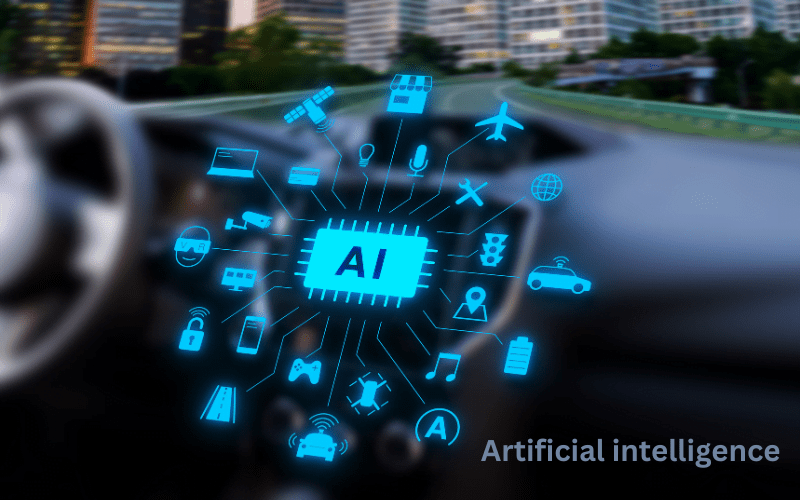
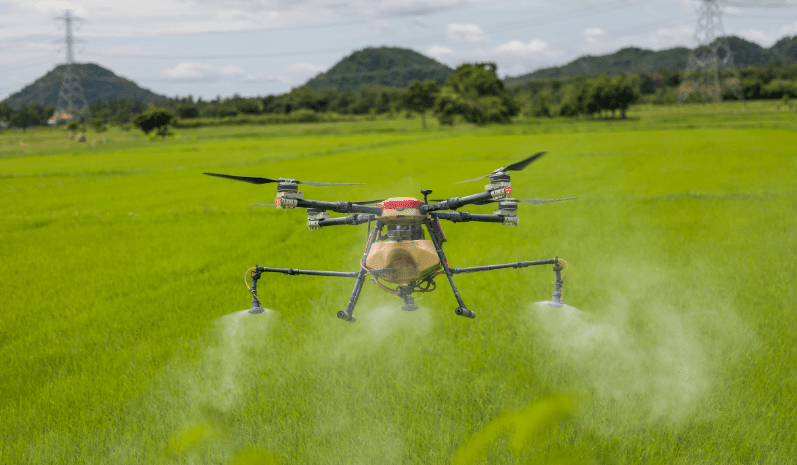
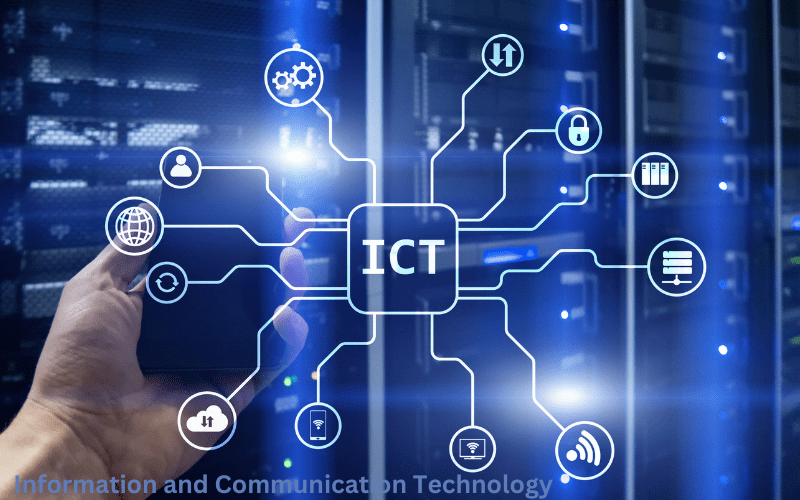
AI is perhaps one of the primary sectors that business innovation continues to remain led by, driving operations and new avenues for companies in virtually all forms of industries. AI affords businesses a competitive edge in today’s fast-changing market in a more profound way than task automation by giving deep insights into available data for improving not only efficiency but also customer experience.
The Importance of Business Innovation with AI
Innovation is the only key to long-term success in industries that grow more interlinked and where global competition increases. AI makes a huge contribution to business innovation by providing tools to solve all complex problems, streamline operations, and improve decision-making. AI enables businesses to innovate new products, improve processes, and bring in customer-centric solutions to attain growth.
Key Areas Where AI is Driving Business Innovation
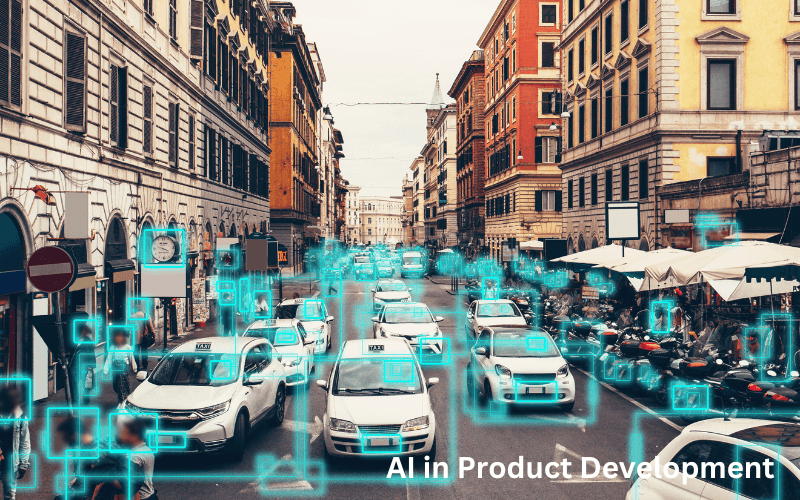
AI in Product Development
The introduction of AI in product development has shaken up product development across every sector, speeding up the innovation process. Currently, companies use algorithms that aggregate market trends and customer preferences and data on how products perform, thereby making them develop more targeted and effective products..For example, companies in the consumer goods sector will be able to predict which features of a certain product will appeal to target customers, thereby speeding up the launch of such products and further enhancing the success rates of such products.
Enhancing Customer Experience Through AI
Customer experience is one of the ways AI is revolutionizing business innovation today. Here, through AI-powered tools such as chatbots and virtual assistants, recommendation systems improve on customization for customers. The ability of a firm to predict what customers want enables it to tailor its services for improved satisfaction. There is that kind of personalization that culminates in building customer loyalty, but on the other hand, encourages real innovation in how businesses approach interacting with their customers.
AI in Operational Efficiency
AI increases the output efficiency through automation of routine processes and streamlines a workflow. In the manufacturing industry, AI robots are improving the production process, hence reducing the downtime and errors associated with humans. The logistics sectors improve supply chains by forecasting demands, streamlining inventory, and route-optimized delivery through AI. It makes it possible for businesses to run more efficiently, cut costs, and expand scalable choices.
AI Across Various Industry Sectors
AI in Healthcare
The AI revolution is largely on the rise, changing everything in healthcare-from diagnosis to treatment. The further analysis of medical images and its future disease outbreaks by such advanced systems would enable personalizing treatment plans for patients according to their data. AI-based diagnostic tools assist the radiologist to better and faster identify abnormalities. It is making it possible to discover new drugs at a faster pace, reducing the time between new treatments coming into the market. Such innovations are enhancing patient results while driving business innovation in the healthcare sector.
AI in Finance
The AI will be used in the financial industry to detect fraud, automate trading, and create more intelligent customer services. Algorithms can be built to execute real-time analysis of voluminous data to establish patterns for potential fraud or market openings. Banking institutions can now use AI to run chatbots that provide instantaneous support to their customers and robo-advisors to deliver personalized financial advice. The financial institution has managed to optimize operational efficiency as well as business innovation through data-driven decision-making.
AI in Retail and E-Commerce
AI is changing the relationship between a business and its customers as well as the way in which a business conducts its operations in retail and e-commerce. For instance, recommendation engines suggesting something to purchase that a customer might like in looking at their browsing and purchasing history, provided through AI, gives every customer something different according to their pattern. The retailers are using AI in managing their inventory, demand forecasting, and improving supply chain efficiency. Further, insights from AI enable businesses to know consumer preferences and emerging trends and stay ahead of the curve in terms of competition.
Challenges and Ethical Considerations in AI-Driven Business Innovation
Data Privacy and Security
Such innovation brings the issues of data handling in terms of privacy and security with AI because most of these AI systems are only informed of a topic or required at their peak performance after gaining thorough access to private and sensitive data. Businesses must ensure that robust protection mechanisms are therefore in place in order to protect from breaches and abuse. Data protection regulations such as GDPR will prove important for consumer confidence and responsible use of AI.
Addressing AI Bias
AI learns from data. In case the data they use is biased, then the outcome may be that the AI system works to fortify those unfair results. This implies that sectors like recruitment, lending, and law enforcement should be hugely concerned. How do businesses avoid bias? Businesses need to frequently audit their AI systems, use divergent and representative data, and adopt fairness metrics into their models. Elimination of bias ensures ethical AI implementation and drives inclusive business innovation.
The AI Skills Gap
While AI opens vistas of tremendous business innovation, there is still a gap in the skills supply in the workforce. It becomes challenging for most companies to acquire professional individuals with the required expertise for developing and managing AI systems. The challenge of this type is presently slowing the adoption pace in some industries. In that respect, businesses must invest in training and education programs to build AI-related skills within their force and create talent pipeline profiles for future innovation..
The Future of AI in Business Innovation
AI-Driven Creativity and Product Innovation
Looking forward, it will be even more creative and innovative for businesses. AI tools already help at certain stages of creation across advertising, design, and entertainment by giving novel ideas and making automatic parts of the creative process. Therefore, businesses will be able to apply AI in order to design creative products and better predict consumer demand, giving them more time to bring the new solution to market.
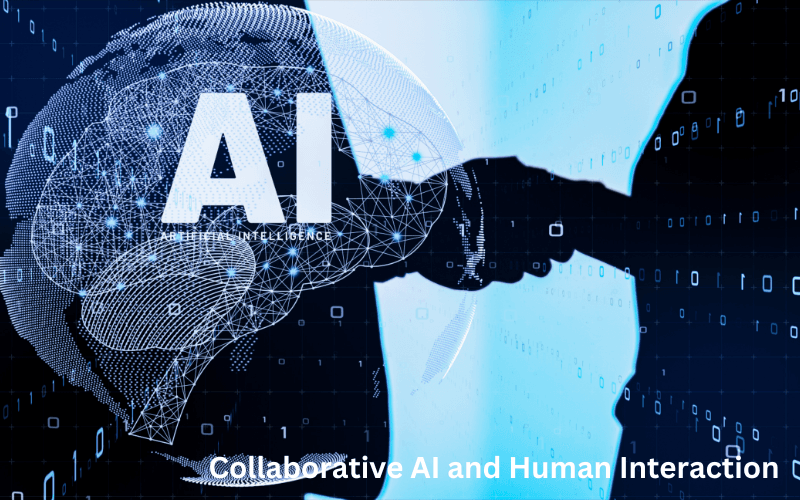
Collaborative AI and Human Interaction
While AI automates many tasks, the future of business innovation lies in the collaboration between AI systems and human workers. AI can handle data-heavy, repetitive tasks, freeing humans to focus on creativity, strategy, and decision-making. This partnership between humans and AI will enable businesses to innovate faster and more effectively, combining human intuition with AI’s analytical power.
Sustainable Innovation with AI
A very important role AI would play in sustainability-related activities is when businesses will increasingly look for AI optimization of energy use, waste reduction, and sustainability in their products. For example, in manufacturing, AI has been deployed to keep constant tabs on decreasing energy consumption, while AI-driven insights have ensured supply chains become greener. Businesses can now innovate ways that are more beneficial to their bottom lines but environmentally friendly while including AI in their sustainability strategies.
Conclusion
AI is a great force transforming business innovation across industries. And from product development and the customer experience to streamlining operations, AI forces businesses to think differently about growth and competitiveness. While opening up many new opportunities, companies are finding some challenges regarding data privacy, bias, and the skills gap. With such challenges, companies should take responsibility over the potential of AI and position themselves as industries’ leaders to stimulate innovation as catalysts for helping customers and, generally speaking, society.
FAQs
How is AI driving business innovation across industries?
AI is the future of innovation, driving out tasks by automation, analyzing data for more insights and speeding up the operation of efficiency and personal experiences, which puts the business on the edge.
Which industries are benefiting most from AI?
AI benefits could largely be felt in companies related to healthcare, finance, retail, and manufacturing sectors through better decision-making and better operational efficiency and the development of innovative products.
What challenges do businesses face when implementing AI?
The challenges facing the businesses are related to data privacy, AI bias, and the growing gap of skills. Overcoming these challenges would be significant in incorporating AI-driven innovation successfully.
How can AI improve customer experiences?
AI makes the customer experience stronger by offering various personalized recommendations, providing real-time services via chatbots, and also predicting the requirements of its customers in real time based on behavior and preferences.
What role will AI play in the future of business innovation?
AI will continue to be an engine of business innovation by inspiring creativity, promoting sustainability, and facilitating greater interactions between AI systems and humans for accelerated problem-solving and product development.
FintechZoom reports that silver is one of the metals with which people have been fascinated for thousands of years. Although once widely used in almost all purposes such as jewelry, tableware, and coins, currently silver has more significant importance in industrial applications, such as electronics and batteries
History of Silver
The role silver has played in the economies of countries across cultures has, for a long period, been very essential. Silver was once considered one of the standards of currency in most countries, meaning to give tangible value on the basis of which trade and commerce went on. Even the Greeks and Romans used silver for everything from currency to ornaments.
Why Invest in Silver?
Indeed, silver investment is highly attractive for various reasons. Just like gold, silver serves as an inflation hedge and as insurance against downturns reminiscent of a recession. What really makes silver more attractive to investors for growth opportunities, however, is that it occupies a unique place in the world of technology and is increasingly in demand in manufacturing.
Factors Influencing Silver Prices
Economic Data
Silver prices are also very sensitive to broader economic indicators. Many experts feel that interest rates and unemployment numbers are major determinants of demand for silver. For instance, during an economy with low unemployment and interest rates, investors may prefer higher-risk investments that will send silver prices downward.
Supply and Demand
The basic principle of supply and demand forms an important aspect determining the rate of silver. However, if the need for silver augments amidst either industrial usage or investment demand and the supplies of the same remain steady, the rates tend to increase. In cases where the market gets flooded with silver, rates are likely to decline.
Global Market Trends
Silver is not in a vacuum; international market trends influence it. Other factors influencing silver prices include politically inclined unrest, changes in mining output, and technological advances. Any new investor in silver would do well to pay attention to the news worldwide.
Understanding Silver Price Trends
Analyzing Historical Price Movements
Examine historical data as a good first step in understanding silver prices. In fact, through the decades, silver has moved erratically, and patterns would be well worth identifying in that regard to paint a clearer picture for investors.
Seasonal Silver Prices
Seasonality is another factor that impacts the silver price. Demand for jewelry during special holiday seasons accelerates the price movement. Knowing this can help someone time his buying or selling.
The Role of Political and Social Factors
Political events and social movements also exert force on silver prices. Miners regulating, or even the war in a country may push the market to behave in one direction. Knowledge of these is a prerequisite to making an informed decision.
Investing Strategies for Silver
Physical Silver vs Paper Silver
The investor may decide to put funds directly in physical silver, that is, bullion bars or coins, or trade paper silver financial instruments representing ownership of silver without owning it. Thus, this form of investment calls for pros and cons comparison depending on individual investment goals.
Diversification within Precious Metals
As with any investment, diversification is important. Silver usually moves inversely to gold, so achieving balancing of risks and rewards happens through pairing investments in various precious metals.
Long term vs Short term Investment Approaches
It is a strategy you must determine. You want to get your money quickly or are you willing to hold silver for several years? Each way has its own pros and cons.
Utilizing FintechZoom for Silver Investment Research
Overview of FintechZoom’s Tools and Resources
This platform offers granular charts and reports allowing you to visualize silver trends over time. If learned, these tools can significantly make the analysis simpler for newbies.
How to Analyze Price Trends with FintechZoom
FintechZoom is actually quite a helpful platform for investors. The website provides current news about the market, very helpful analysis, and other tracking tools in silver or any other asset.
Setting Alerts and Following Market Updates through FintechZoom
It allows users to set alerts on specific price movements and follow important market updates thus alerting the investors with the desired information without needing to surf through every move in the market.
Conclusion
Silver investing could be rewarding if one knows the reasons behind the price movements. If one also knows the tools FintechZoom offers, then it becomes even easier. The financial structure is in constant flux, so there is a need for continuous learning among investors. The more you learn, the better will be the investment decisions you make. Investments in silver can be a great addition to your portfolio. Curiosity about it and using the right tools to ask additional questions can ensure that there will not be a hesitation to learn further.
FAQs
What is the best way to start investing in silver?
The best way to start investing in silver is actually by setting aside your goals, researching the market, and choosing a style of investment that is suitable for you: physical bullion or financial instruments.
How do silver prices compare to gold prices?
The prices of silver and gold are interlinked but may also behave differently. Generally, the safer option is considered to be gold, however, silver can offer volatility along with more growth potential.
What are the risks associated with silver investment?
Like any other investment, there are risks to silver as well-market volatility and demand shifts are a few of them. Diversification and staying aware can help in the nullification of some of these risks.
The silver market thus had some interesting ups and downs over the years. If we look back, we can see that prices historically swung from very low to quite high levels. Silver traded around $5 per ounce in the early 2000s. Its prices, however, increased significantly to more than $49 per ounce in 2011, with a significant portion accredited to investment demand and industrial use. The second push was brought about by the coronavirus pandemic in 2020. As investors embraced safe-haven assets during uncertainty, the prices soared further.
Among them are some of the key drivers informing these changes:
Economic Cycles: as in when economies are about to enter into a recessionary phase, investors rush to silver as a safety measure.
Inflation: Silver becomes such an appealing hedge when there are higher inflation levels because investors fear potential currency devaluation. A few of the record-breaking events include the 2008 financial crisis that has catapulted these price trends of silver into orbit.
Factors Influencing Current Silver Prices
Any investor today needs to know why silver prices go up. Some of the dominant factors of the current scenario are as follows:
Economic Indicators: A high employment figure or GDP growth alters the market sentiment on the bright side; however, there are signs of recession that turn silver many folds costlier fintechzoom due to investment interest in the name of security.
Geopolitical Events: Tensions all around the world create uncertainty, forcing the investors into the shelter of silver.
Supply and demand factors: Here, the mining output and industrial demands are mainly electronics and solar panels. Silver price, fintechzoom.
Importance of Silver in Global Markets
Silver is multifunctional and carries an immense size within the world economy. An aspect is as a pure element in huge pieces through many sectors, which include electronics, photovoltaics, and batteries. Change to renewable energy puts silver in an important place since it has to be part of the finished solar panel. Finally, silver is a safe haven asset. Unlike other cryptocurrencies or specific stocks, silver is an asset that has received recognition over time as a credible commodity. This makes silver unique when compared with gold and other metals; for example, whereas investment in gold tends to be seen as elitist, silver is a lot more accessible to the majority of investors.
Current Economic Environment and Its Impact on Silver Prices
Global Economic Outlook for 2024
Going into 2024, the world economic view is optimistic but on cautionary terms. Growth figures are rising, but the risk for inflation still lingers. Depending on how the central banks manage the fiscal policy going forward, that rate is going to change to either fuel or restrain silver price fintechzoom. Apparently, central banks have been discussing just how they will adjust their interest rates to attack this tool of inflation, which will again make investors swing with greater hunger for silver and other asset classes in the market.
Currency Fluctuations and Silver Prices
Movements of money, especially the US dollars, can trigger a very dramatic movement in silver. Strengthening dollar means:
The silver will get dearer to the holders of other currencies; consequently, their demand goes through the floor. In turn, with the dollar falling, silver becomes popular again.
Other poor news for crypto is also altering the stories that younger investors are told about investing in silver.
Investor Sentiment and Market Trends
Studying the different investors in silver market will inform about the current trends:
Retail investors coming to silver ETFs as they need an easier way to get access to silver without having it stored physically.
Institutional investors growingly realize the potential of silver within the diversified portfolios.
Public sentiment is critical; good sentiment will lift silver price fintechzoom, while a bad view will not let the market go up.
Expert Forecasts for Silver Prices in 2024
Short-Term Predictions
This year is supposed to start rough for the silver price fintechzoom. The analysts’ predictions of commodity finance have made the following observations:
The prices could swing in the first two quarters between $25 to $30 as post holiday demand comes in while industrial demand kicks in.
Long-Term Projections
While several analysts predict growth in the latter half of 2024, they caution on the possibility of market corrections if speculative bubbles start to surface. The technological aspects in the operations of the mining, therefore, may contribute to the supply factors, raising the amounts of output and thereby favorably influencing silver prices.
Varied Perspectives from Analysts
Bullish and bearish opinions characterize most conversations:
The bullish is optimistic, with participants saying that silver price fintechzoom will continue to rise as industrial demand increases and investor interest does too.
Bearish can develop conservative arguments and point out slowing economies and other corrections that might step back the returns. Analysts appear to be in broad agreement, but especially worthy of keeping in mind are the range of opinions, since conditions in the market often shift rapidly.
Investment Strategies for Silver in 2024
Diverse Portfolio Inclusion
Investors willing to invest in silver have to strategize:
silver should be balanced with other assets in order to manage better risks. Advantages and disadvantages for actual possession of silver versus paper investment-actual possession is afforded by physical silver, while paper assets aid the buying process, thus making it easier to trade.
Timing the Market
Investment timing can make all the difference:
Key signals like market trends, economic news and silver price movement on FintechZoom would tell the best time to buy. Technical analysis could aid in understanding price charts and taking appropriate decisions.
Long-Term vs. Short-Term Investments
Every investor’s approach should be according to his objectives:
For long-term investors, silver can act as a risk hedge. Long term holding through fluctuations might bring better returns. They may be paying too much attention to the market trend and seasonal pricing pattern in short-term investment to be able to strike a profit quickly.
Risks and Considerations in Silver Investments
Market Volatility
Owing to market volatility, precious metals such as silver tend to be volatile. Investors may understand the potential fluctuations in the prices and therefore have set a risk management trend. Analysis of historical price data can guide decision-making.
Regulatory Issues
The investor should also know the environmental impacts of silver mining. More stringent regulations on mining can impact silver supply chains considerably, causing price fluctuations. A focus towards sustainable mining may consequently prove to be in the investment interest of individuals who conform to ethics.
Global Supply Chain Challenges
Silver supply chain is susceptible to geopolitics. Political tensions over mining regions can, in fact, disrupt output; therefore, the availability and the price of silver fintechzoom.
Conclusion
There are quite many factors playing out concerning the silver price for 2024, and it is quite complex to interpret those dynamics. A right investment plan formulates on knowing the market dynamics, inflation indicators, currency, and investor sentiments. Being knowledgeable will be in your journey towards success when it comes to entering or expanding your silver price fintechzoom investments.
FAQs
What factors influence silver prices?
Supply and demand, economic indicators, geopolitical events, and currency fluctuations all affect the silver price fintechzoom.
How can I invest in silver?
You can invest in physical silver itself or in paper investments in the form of silver exchange-traded funds and stocks of silver mining companies.
Is silver a good investment compared to gold?
It also depends upon your investment goals. Silver is usually less expensive and much more volatile, while gold is a gentler escalator in uncertain economic times.
What are the main risks associated with silver investments?
It also depends upon your investment goals. Silver is usually less expensive and much more volatile, while gold is a gentler escalator in uncertain economic times.
How do global events affect silver prices?
Global events can bring about uncertainty that often pushes investors to seek refuge in silver, hence influencing its prices.
According to Fintechzoom, silver has been that special commodity in the world of investments for quite a long time. It’s considered a precious metal and a safe haven asset. Again, nothing like stocks or bonds; silver provides real value that can be held in the physical sense, so it fascinates the collector as much as the serious investor.
Historical Trends in Silver Prices
The silver prices have been highly volatile over the years. Whether the peaks that are visible in the 1980s or the latest rallies, the trends tend to follow the general economic scenario that prevails. Silver has historically performed very well during times of recession or inflation, and therefore the prices tend to mirror the sentiments of the market.
Importance of Accurate Price Predictions
It is only such understanding that one would reach out for knowledge of where silver prices are headed in the near future. It is when there are accurate predictions at hand that one can guide himself on what to buy, sell, and hold, hence achieving some profit with minimized losses. Such will serve as the spotlight for tracking down the predictions made for the commodity in question.
Factors Influencing Silver Prices
Economic Indicators and Their Impact
Inflation Rates
Inflation is more than anything that prices the silver. When the cost of goods shoots up, people are inclined towards the metal as an investment or as a store of value. This increases prices that would require even closer follow-ups on inflationary rates.
Interest Rates
Whereas the rate of interest raises silver differently, high rates improve the cost of opportunity and increase prices since low rates make silver a good investment, hence prices increases.
Currency Strength
The strength of the dollar dictates the price of silver. When the dollar is strong, then silver usually becomes cheap because the metal has been priced in dollars. A weak dollar may pull silver into the market, therefore pushing up prices.
Market Demand for Silver
Industrial Uses
Silver is a pretty metal, but it also has industrial usages in many electrical electronics devices, solar energy, and medical applications. Industrial demand often causes prices to shoot up rapidly due to an increase in consumption through burgeoning sectors.
Jewelry Market
Silver jewelry endures as an ageless trends by the people. Changes in consumer’s tastes, fashion, or economic stability can cause fluctuations in jewelry demand, thus affecting overall silver prices.
Investment Demand
Many consider silver as much of an investment as gold. When investors turn their attention to silver either for diversification or as a hedge, the times of recession will shine a little bit brighter.
Global Geopolitical Events
Trade Relations
Global trade policies may directly affect supply and demand for silver. Trade tensions and tariffs prevent the free flow of silver, which tends to push up prices.
Political Instability
Political upheaval in some of the largest silver-producing countries can create uncertainty in the market, with prices rising, mainly due to investors looking for safe havens.
Environmental Factors
More damaging to supply are natural events, such as natural calamities impacting mining operations. Again, though, these events quickly push prices up, reminding investors of silver’s vulnerability to forces outside its control.
Current Market Analysis
Recent Price Movements
Over the last few months, silver has grown and then declined in sync with most of the elements presented above. This in itself makes close tracking of such trends help someone know what to expect.
Key Players in the Silver Market
Silver has small players and large ones, from mining companies, ETFs, and individuals in the market. This would make their positioning possible, which may give a trader some ideas on how the market might be headed.
Comparative Analysis with Other Precious Metals
A better comparison would be that between silver to gold and platinum. While the former tends to track the movements of these latter metals during times of an economic change, it would give its unique patterns due to industrial demand.
FintechZoom’s Predictions for Silver Prices
Short-Term Predictions (Next 1-3 Months)
Generally, silver prices are likely to be around $22-$26 an ounce in the foreseeable future, mainly driven by economic indicators and investors’ sentiment, FintechZoom believes. The key events to look for are related to Federal Reserve meetings and inflation reports, since these events have tended to drastically shift the silver price.
Medium-Term Predictions (3-6 Months)
As better information starts coming, any change in inflation or interest rate would be more apparent. This would in turn help predict the next step as far as prices are concerned. Past trends, analysts have argued if mid-range inflation keeps coming on to the surface, silver will be stable at levels or increase moderately.
FintechZoom’s Predictions for Silver Prices
With economic downturn, demand for safe-haven metals may rise, thus further improving silver price prospects in the short run. Most analysts still expect gradual increases in silver prices with general market and economic stability.
Strategies for Investors
Understanding Risk Management
Another important thing regarding investment in silver is to understand risk involved with the investment. Sometimes, knowing when to stop loss and which point to take profit could be a matter of survival.
Diversification in Precious Metals
This means that one could invest in multiple precious metals to hedge against risks. They all behave differently to the market, so again, it makes it possible to enjoy a different kind of strategic investment.
Timing the Market: When to Buy and Sell
It is truly not easy to time purchasing, but monitoring the indicators that make up the economy and silver trends will surely make you a more informed purchaser.
Conclusion
We have walked through the importance of investing in silver, influencers that affect this investment, the current scenario, and what FintechZoom has predicted regarding coming months. Knowing these factors is the first step to invest into it. Being informed is necessary before being driven head-on into the silver investing complex world. This research will be done more constantly, and the world will be kept in check with the best result.
FAQs
What are the main factors that influence silver prices?
The prime factors are economic indicators, market demand, and geopolitical events.
How can I invest in silver safely?
Safety can be boosted by investing through good dealers, ETFs, or holding physical silver.
What role do economic conditions play in silver price fluctuations?
Economic conditions in fact affect investor sentiment and influence the demand of silver as a safe haven or even as an investment vehicle.
Are silver prices expected to rise or fall in the coming months?
Though predictions do offer moderate increases that need to be screened through economic indicators for precise estimations.
Artificial intelligence (AI) is a transforming wave sweeping industries and businesses across the globe-from medicine and finance to education and transportation. Applied to almost all spheres of business and daily life through automation, analysis of data, and generation of patterns, AI capabilities are transformative in nature but have sparked heated debates over the ethics and challenges such rapid uptake of AI technology incurs.
The Importance of Addressing AI Ethics
Therefore, as the technology becomes ubiquitous in society, the issue of use pertaining to AI is becoming far more important. These include such concerns as privacy, equity, transparency, and accountability to form the crux of these discussions. The future of AI would ride on the manner in which these concerns are addressed. Hence, the need to bring about a balance between innovation and responsible AI development so that the technology benefits humankind without causing harm.
Ethical Concerns in AI Implementation
Bias and Fairness in AI Systems
The largest ethical concern when AI is implemented relates to bias. The AI model learns from data, and their bias will be the same as that present in the data used for training. This would mean that the same biases that AI expresses might be augmented. Such biased results may appear in sensitive domains like hiring, lending, or the law enforcers. For example, recruitment AI tools may favor a given demographic group over another based on the hiring data accumulated at a specific time. These systems are demanding and require constant efforts to ensure minimal bias during training and design of the algorithm.
Privacy Concerns with AI
Strong concerns arise with the personal data if AI systems need huge amounts of personal data to work efficiently. Data breaches or misuse are always at risk with applications of AI in healthcare, finance, and marketing, which can handle very sensitive information.The challenge remains in finding the best balance between taking advantage of data for AI advancement and protecting individual rights to privacy.Such data protection measures are essential for encouraging the governments and organizations to act with confidence upon the AI technology.
Lack of Transparency in AI Decision-Making
One ethical problem relates to the fact that AI systems often are hard to explain regarding how exactly they make a decision: the “black box” problem. Complex models such as deep learning networks often make decisions in a way that is not feasible for humans to understand or explain. This easily leads to distrust when more important decisions have to be made, like in medical diagnoses or judicial decisions. Also, making the systems explainable and open makes the entire decision-making process accountable.
Challenges in AI Implementation
The AI Skills Gap
Despite this apparent rapid growth in AI, an enormous gap in skills is reflected within the workforce today. Organizations are finding it difficult to identify enough qualified professionals who can develop, implement, and manage systems based on AI. This has led to the threat of not being able to deploy AI solutions and increases the possibility of errors at the time of deployment. In this battle to win against such a challenge, companies will necessarily have to plough a lot in education and training programs that will enable the provision of much-needed resources from AI specialists for the future.
High Costs and Resource Demands
As mentioned, the integration of AI solutions comes with huge financial and technical investments. Many small organizations cannot afford the investments relating to the hardware needed, the software that is required to support the system, and the human expertise needed in a system. Additionally, AI-based systems require huge amounts of data and computational power, thus requiring huge resources. Such high costs could thus narrow down the accessibility of AI technology to benefit only the few who are able to do so, thus widening the inequality distribution of benefits from such AI innovations.
AI Integration with Legacy Systems
Yet another problem comes along with trying to integrate AI into previously existing structures or infrastructure. Mostly, most organizations’ legacy systems were never built to hold modern AI technologies. Such an upgrade or replacement can offer a lot of complexity in the implementation process. Organizations will need to approach planning how to integrate AI to their current processes and systems in ways that can cause little or no disruption of its performance.
Ethical Guidelines and Solutions for Responsible AI
Developing Fair and Unbiased AI Models
To this end, ensuring that the design of fair and inclusive models represents the core of AI development is essential to address the problems of bias. A fair model is one constructed from a diversified dataset and audited for biased outcomes, which makes necessary corrections in order to become fairer. Techniques including algorithmic transparency and fairness metrics can therefore be used in order to lower bias levels, with AI systems then equitably free from the potential of harming old stereotypes or any form of discrimination.
Prioritizing Data Privacy and Security
Data privacy must be a top priority for any organization implementing AI technology. These include strong encryption protocols, anonymization techniques, as well as the observance of data protection regulations, notably GDPR in Europe and CCPA in California. Organizations have to make assumptions that transparency in data practices prevail so that users understand how their information is used and are in control regarding personal information, thereby incorporating public trust in AI systems and averting sensitive information misuse.
Fostering Transparency and Explainability
Developers should design AI models to be interpretable and explainable in order to get away from the black box problem. Techniques such as explainable AI (XAI) are under development and enable transparency regarding AI-based decisionmaking. This means users could understand how and why an AI system might have drawn certain conclusions-a step forward in being held accountable and trusted. Organizations should develop clear documentation for their AI systems with articulations of the logic and reasoning behind key decisions.
The Future of AI and Ethical Responsibility
Collaboration Between Stakeholders
Ethical usage of AI therefore calls for collaboration among various stakeholders, including governments, businesses, researchers, and civil society. There should be the development of regulations that can govern the ethical use of AI without stalling innovation. Business developers and firms need to adhere to rules and guidelines that proactively ensure responsibility in AI use. This will further open communication between all relevant stakeholders toward achieving global AI standards for fairness, transparency, and accountability.
Continuous Monitoring and Ethical Audits
The ethical landscape of AI is continually changing, and since the complexity in the AI systems is increasing, steady auditing of the system needs to be conducted so it will work appropriately. Continuous monitoring would introduce problems at an early level of ethics; hence, problems in an organization can be treated before they cause harm. Ethical audits ensure regularly that organizations remain compliant with regulations and gain public trust within their AI systems.
Promoting Ethical AI Innovation
Ethical considerations should neither restrict AI innovation nor stifle it; rather, they should guide it. Infusing ethical principles from the outset into development will lead to the development of both innovative and responsible technology by organizations. The fostering of ethical AI will not only increase public trust but may very likely propel more sustainable and equitable advancements in the technology itself.
Conclusion
The implementation of AI technology brings with it significant benefits, but it also presents ethical and practical challenges that cannot be ignored. Issues such as bias, privacy, transparency, and the skills gap need to be addressed to ensure that AI is used responsibly. By prioritizing fairness, data protection, and transparency, and by fostering collaboration among stakeholders, we can harness the power of AI while minimizing the risks. As AI continues to evolve, ethical guidelines and innovative solutions will play a key role in shaping a future where AI technology serves the best interests of society.
FAQs
What are the main ethical concerns in AI implementation?
The key ethical issues relate to bias in AI systems, data privacy with regard to the collection of data, and the obscurity of the AI processes driving decisions.
How can AI bias be reduced?
Bias in AI can be minimized through diverse datasets, regular audit processes on fairness, and algorithmic transparency as relates to what mechanism is used by AI in deciding outcomes.
What challenges do businesses face in implementing AI technology?
Some of the main challenges most organizations face with AI are the AI skill gap, high-cost deployments, and difficulties in joining AI to already developed legacy systems.
How can data privacy be protected in AI applications?
Data privacy is achieved through the use of cryptography, anonymization techniques, and regulation like GDPR. Organizations should also be transparent with their data practices.
How does transparency improve trust in AI systems?
Transparency in AI decision-making would enable the users to understand how AI gets to its decisions, promoting trust and accountability in AI. Hence, techniques such as explainable AI are important in developing more transparent AI systems.
Growing Cybersecurity Challenges in the Digital Age
That is the beauty of today’s world, with AI helping combat cyber threats that are rapidly evolving and bringing about a great deal of improvement to security and defense strategies. Organizations ranging from small to medium and large are all falling prey to various forms of ransom attacks or sophisticated phishing hacks that the hackers devise using new technologies. Because these threats evolve with greater volume and complexity, coupled with ever-growing digital footprints, it is challenging for a traditionally designed security system to cope. There are growing vulnerabilities in digital infrastructures that are not only affecting businesses but also governments.
The Need for AI in Cybersecurity
Traditional methods have been proved ineffective as cyberattacks are getting more sophisticated and frequent. This leaves open the pathway for AI to come in as there is a huge need for an upgrade in the strategies of cybersecurity. AI will make easy processing easier for large data volumes in pattern recognition and predict threats in the future. Therefore, it is fundamental to current cybersecurity operations. Artificial intelligence can enable organizations to be one step ahead of cybercrooks through automated threat detection and response.
Preparing for the Future of AI-Driven Cybersecurity
In 2024 and beyond, AI will play a critical role in transforming how cybersecurity is approached.Businesses will thus have to prepare themselves for this change by understanding the core ways in which AI may complement enhanced security measures and protect sensitive information. As the depth of cyber threats changes to advanced and sophisticated threats, the integration of AI with cybersecurity strategies will have to make digital assets more robust and secure.
How AI Enhances Cybersecurity
AI-Powered Threat Detection and Prevention
One of the key roles of AI in cybersecurity is how it can identify threats better than anything the traditional system could do. AI algorithms would look into tremendous amounts of data in real-time, thus capable of detecting potential threats that may have otherwise gone through based on unusual patterns or behaviors. For example, it would be easy for an artificial intelligence system to identify irregularities in network traffic and flag those anomalies as suspicious activity, which may be a sign of a cyberattack. Additionally, AI-based systems that learn with new data improve accuracy over time and are more capable of predicting future threats ahead of their time.
Real-Time Threat Response
It is indeed an AI cybersecurity revolution. Threats can be detected in real time, and AI systems can take action straight away to minimize the risk involved. This can be done by isolating vulnerable devices, blocking suspicious IP addresses, or notifying cybersecurity teams. Unlike human-driven responses, which can be delayed or prone to error, AI systems act instantly and precisely, reducing the damage caused by attacks.
Predictive Analytics and Threat Intelligence
AI not only acts on the threats that are current but, at the same time, helps organizations predict future risks. Predictive analytics enable an AI to scan through a historical database and then to determine a pattern that can indicate an emerging threat. Businesses can strengthen their defenses by being proactive to find the vulnerabilities before the onset of an attack. Being proactive is a very important predictive capability, especially with the changing kind of threats popping up at will, as such attacks are zero-day exploits.
AI Applications in Specific Cybersecurity Domains
AI in Network Security
One of the largest areas in which AI has an impact is network security. AI systems scan the network traffic and look for anomalies in it—a potential threat of malware or unauthorized access to it or a Distributed Denial of Service attack.AI may detect suspicious activity, which, in fact, marks the beginning of an attack. AI network security tools can also automatically react to threats, thus preventing data breaches or system disruptions.
AI for Identity and Access Management
AI is transforming how businesses handle identity and access management (IAM), a key aspect of cybersecurity. AI-powered systems can monitor user behavior, ensuring that access to sensitive data is only granted to authorized individuals. In the case an AI system detects unusual login activity, such as access to files in a location outside of familiarity, the system may automatically flag the activity as suspicious or even lock an account. The latter defends unauthorized access and very likely loss of any data.
AI in Phishing Detection
Phishing attacks remain one of the most common cyber threats when they are accompanied by email spoofing and websites. AI has revolutionized the phishing detection process, scanning massive volumes of email traffic, detecting suspicious patterns, and even the fact that there was a phishing attempt. Using AI-based tools, emails can be scanned for unusual language or any shady links and attachments that can flag these as possible threats. This will definitely prevent certain employees from falling into the phishing trap.
AI’s Role in Automating Cybersecurity Operations
AI in Security Operations Centers (SOCs)
Security Operations Centers (SOCs) are at the heart of an organization’s cybersecurity efforts. AI is helping to automate many of the tasks performed in SOCs, including threat monitoring, incident response, and vulnerability management. AI systems can analyze security logs, identify potential threats, and even prioritize incidents based on their severity. By automating these tasks, AI frees up cybersecurity professionals to focus on more strategic initiatives, improving overall efficiency.
Reducing the Cybersecurity Skills Gap
Cybersecurity needs are increasing, but not without significantly widening skill gaps in the industry. Many of the mundane tasks requiring human input can be handled by AI, which would likely fill part of the shortage gap. AI tools can automate the detection of threats, conduct incident response, and carry out vulnerability assessments so that cybersecurity teams work better with fewer resources. This automation improves security as much as it will enable businesses to scale up their efforts without having to increase staff.
AI-Driven Risk Management
Cybersecurity has risk management as one of its constituent areas and an area where AI has taken the center stage in recent times. It enabled the ability to assess the posture of an organization, identifying vulnerabilities, and recommending remedial actions for cybersecurity risk mitigation to be enhanced. AI helps businesses gain real-time insights into potential threats. This makes better decisions on optimal cybersecurity strategies for the business. Besides this, AI-facilitated tools for risk management also ensure that an organization can quickly adapt its threat environment.
Challenges and Ethical Considerations of AI in Cybersecurity
Over-Reliance on AI Systems
As much as AI promises so many benefits, there is the possibility of over-reliance on artificial intelligence systems for cybersecurity. The machines are far from perfect, and some threats may pass while others are flagged by the AI tools as false positives. There will be a need for a balance between the amount of automation that AI provides and human oversight by businesses. Cybersecurity professionals should, therefore, continue keeping themselves relevant in high-level decision-making processes in order to, at times, check if AI tools are working well and responsibly.
AI and Data Privacy
There is a growing fear about data privacy because the success of AI in cybersecurity depends precisely on its capability to examine large volumes of data but requires access to sensitive information about user behavior and network traffic with his personal data. Thus, such access raises ethical questions related to data collection, storage, and usage. Businesses must ensure that their AI-driven cybersecurity solutions comply with data privacy regulations and safeguard user information.
Combatting AI-Powered Cyberattacks
Where an AI is a wonderful armor to be carrying into battle against cyber threats, the very same tool being used by the cybercriminal might develop more intelligent attacks. For example, AI-based malware develops an ability to learn from the defense mechanisms and evade detection. As the world pushes ahead in its advance with AI, hackers move ahead their tactics and make an advancement of cyberattacks, and businesses will be in the most vulnerable situation, thus they would require constant vigilance and investment in additional AI tools in order to weaken the growing threat of AI-powered cyberattacks.
The Future of AI in Cybersecurity
AI’s Growing Role in Cyber Threat Intelligence
As cyber threats continue to evolve, AI’s role in cyber threat intelligence will become even more critical. AI systems will help organizations stay ahead of emerging threats by providing real-time insights and predictive analytics. In 2024 and beyond, businesses will increasingly rely on AI to gather intelligence on cybercriminal activities, assess vulnerabilities, and enhance their overall security posture.
AI and Collaborative Cybersecurity Efforts
Business, governments, and experts in cybersecurity must collaborate much more in the future of cybersecurity. In fact, AI will be the source of such collaboration and help pool the much-needed threat intelligence to develop better defenses. Business firms will form coalitions around specific interests, pool resources together, and use AI to analyze global cyber threats, which in turn will enhance security strategies and do away with big cyberattacks.
The Evolving Relationship Between AI and Human Cyber Defenders
In the future, AI and human cybersecurity professionals will work even more closely together. AI will handle the bulk of data analysis and threat detection, while human experts will focus on decision-making and strategy. This partnership will allow businesses to respond to cyber threats more effectively, combining AI’s speed and accuracy with human intuition and creativity.
Conclusion
Artificial intelligence is dramatically changing the contours of cybersecurity, making it possible for commercial entities to arm themselves against much more advanced forms of cyber attacks. The first method in these respects lies in automating threat detection, while predictive analytics helps determine what might be next. Such security operations can be far more efficient than those using traditional methods; however, the increasing influence of AI in cybersecurity puts new strains on the determination of ethical questions: data privacy and misuse of AI by cyber attackers. A delicate balance between AI automation and human expertise further enables businesses to tap the full potential of AI in an effort to protect their digital assets and outstrip cyber threat developments.
FAQs
How is Artificial Intelligence improving cybersecurity?
AI strengthens the security of networks by automated threat detection, response right away, and forecasting future dangers with advanced information analysis and pattern identification.
Can AI completely replace human cybersecurity professionals?
No, AI does not replace human professionals completely, but it enhances the working of cybersecurity and automates tasks but requires human judgment and oversight to manage the threats in complex ways.
What are the challenges of using AI in cybersecurity?
Challenges include the potential over-reliance on AI, concerns about data privacy, and the risk of AI-powered cyberattacks. Balancing automation with human insight is crucial for effective cybersecurity.
How does AI help in identifying phishing attacks?
AI analyzes large volumes of email traffic, identifying patterns and signs of phishing attempts, such as unusual language or suspicious links, and flags potential threats to prevent phishing scams.
What is the future of AI in cybersecurity?
AI will play an increasingly important role in cyber threat intelligence, automating threat detection and response, and enabling businesses to collaborate on a global scale to combat evolving cyber threats.
AI has evolved from its abstract discussions to a key enabler of innovation in every form of industry. In this new revolution of 2024, changing how businesses work, AI has transcended automation toward smarter decisions, a better experience for customers, and more streamlined operations. More than the promise of automatic response, it creates smarter decisions, enriches customer experiences, and streamlines operations. With the fight for survival within a competitive market, the most significant asset acquired by a company is embracing AI as it looks to reimagine workflows—from design and product development to customer support.
The Business Need for AI in 2024
In 2024, AI’s integration into everyday business processes is no longer optional but essential for companies aiming to optimize efficiency, meet rising consumer expectations, and drive sustainable growth. In the rising complexity of the nature of market operation, huge volumes of data, and the need for personalization in consumer demand, businesses too have to find ways of advancement. Here also, AI performs exactly that: providing solutions that can handle large data sets in uncovering insights and predicting future trends with remarkable accuracy.
Preparing for AI’s Broader Business Impact
As we look toward 2024, it’s crucial for business leaders to stay informed about the latest AI developments and predictions. The set of capabilities in artificial intelligence is constantly going to be growing, and all the companies that embrace this evolution proactively are going to be better placed than others at winning. From intelligent chatbots to enhance customer service to predictive analytics for the automation of supply chains, businesses must prepare for a future where AI takes center stage.
Key AI Trends Shaping Business in 2024
Advanced AI-Powered Automation
AI-driven automation will go beyond simple repetitive low-skilled tasks and touch more strategic operations. AI tools are increasingly automated in finance, customer service processes, and creative matters such as content marketing. For instance, Artificial intelligence will assist in the development of dynamic advertising campaigns that keep changing with users’ behaviors to maximize engagement. In HR, AI automation of complex work such as selection of candidates and onboarding will efficiently improve recruitment while decreasing biases at the same time.
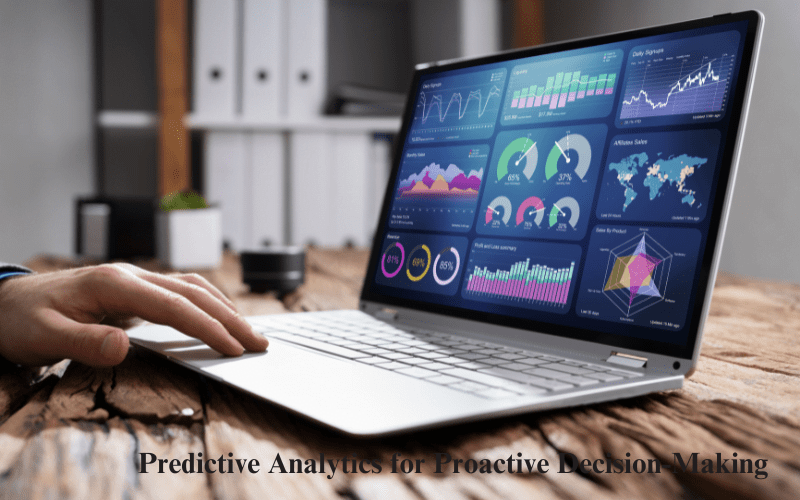
Predictive Analytics for Proactive Decision-Making
Predictive analytics, through artificial intelligence, will become a vital component of business use cases based on data-informed decisions in 2024. Companies will use artificial intelligence to predict customer behavior, foresight into market trends, and even possible risks before they occur. For example, retail businesses would use AI-driven analytics to predict the quantity in demand for certain products so that overstocks or stockouts would not be met, while finance teams use artificial intelligence to sense anomalies in transactions, probably fraud. For example, retail companies will use AI analytics to predict demand for products and then avoid overstocking and stockouts, and finance teams will use AI to detect anomalies in transactions pointing to probable fraud.
Hyper-Personalization in Customer Engagement
AI’s ability to analyze vast amounts of customer data will drive hyperpersonalization. In 2024, businesses will use artificial intelligence to create highly customized customer journeys, delivering tailored product recommendations, personalized marketing content, and individualized experiences based on real-time data. For example, AI in e-commerce will suggest products aligned with customers’ purchasing habits and preferences, enhancing the user experience and driving conversions.
AI’s Role in Transforming Core Business Functions
AI in Marketing and Sales Strategies
The use of AI in marketing will give businesses much greater insights into consumer behavior. It would allow marketers to craft more effective campaigns. The data about interactions, preferences, and trends on social media will be analyzed in the tools provided by AI to adjust messaging and reach target audiences at the appropriate times. Marketers would prefer AI-driven platforms by 2024, which may automatically generate personalized content, thus enabling better advertisement optimization for improved engagement and ROI. In sales, AI will enhance the sales cycle by predicting which leads are most likely to convert. AI tools will help sales teams prioritize leads, customize pitches, and improve client relationship management by automating follow-ups and reminders, allowing sales professionals to focus on high-value tasks.
AI-Optimized Supply Chain Management
AI will significantly improve supply chain management by optimizing logistics, reducing costs, and increasing transparency. This will undoubtedly identify patterns of supply and demand in predictive AI systems, track levels of inventories in real time and automate order fulfillment by the year 2024. It will further help enterprises analyze inefficiencies through the supply chain and give actionable recommendations to upgrade flows with little delay and waste. By predicting potential disruptions such as supplier issues or transportation delays—AI ensures smoother operations and better preparedness for future challenges.
AI in Human Resource Management
AI is reshaping how businesses manage their workforce. In 2024, AI will streamline the recruitment process by using algorithms to scan resumes, match candidates to job descriptions, and even conduct initial screening interviews. AI will also support workforce planning in terms of forecasting the requirements of labor according to company growth and in prompting training programs to raise the skill levels of employees. AI tools will also be used in HR for monitoring well-being and performance, along with developing a personal plan for engagement and retention.
Overcoming Challenges and Ethical Considerations in AI Implementation
Data Privacy and Security
One of the biggest challenges businesses face when implementing AI is data privacy and security. AI relies on accessing and analyzing large datasets, including sensitive customer information, which raises concerns about how this data is stored, shared, and protected. In 2024, businesses will need to adopt stronger cybersecurity protocols and comply with evolving data privacy regulations, such as GDPR and CCPA, to ensure that AI systems don’t inadvertently expose sensitive data. Transparent data practices will be critical in maintaining consumer trust.
Mitigating Bias in AI Algorithms
The penetration of AI into business operations has been a trend that increases algorithmic bias. Bias in AI may arise from underlying inequalities in the data sets used to train models. For example, AI in hiring might be biased towards one section of candidates more than the other. Businesses in 2024 need to take preventive actions against this bias. Auditing of AI systems, diverse datasets in training, and human control over the decision-making process ensure equity and fairness.
Balancing AI with Human Insight
While AI can enhance decision-making and automate complex tasks, human insight remains crucial, particularly in areas like creativity, ethics, and strategic planning. In 2024, businesses will need to balance AI’s efficiency with human expertise. For example, AI can provide data-driven recommendations, but final decisions should often involve human judgment to account for nuanced factors that AI might miss. Businesses should focus on creating collaborative environments where AI and human workers complement each other.
Long-Term Predictions for AI’s Business Impact
AI-Driven Innovation and Business Growth
AI’s influence on business growth will continue to expand beyond 2024. Companies that integrate AI into their core strategies will be able to drive innovation, reduce operational costs, and deliver superior customer experiences. AI’s ability to analyze real-time data and adapt to changing conditions will empower businesses to be more agile and responsive to market demands. This agility will open up new revenue streams and allow businesses to stay ahead of the competition.
AI and the Future of Jobs
This reshaping nature of industries by AI definitely plays its part in how the workforce will evolve. On one hand, AI will automate many routine tasks; on the other, it will enable new jobs in AI-related development, data analysis, and governance of ethical considerations. Companies will have to invest in upskilling by 2024 so that employees are capable and equipped to work alongside an AI system. An organization using an AI system will need more trainers for AI, ethicists, and curators to be proficient in developing an AI system.
Global AI Standards and Collaboration
AI’s rapid development requires global collaboration on ethical standards and regulations. In 2024, businesses and governments will work together to establish guidelines for responsible AI usage. These frameworks will focus on mitigating risks like data misuse, algorithmic bias, and automation-driven job displacement. By fostering global collaboration on AI standards, companies can ensure that AI is used ethically and contributes to long-term societal benefits.
Conclusion
Artificial intelligence is going to change business operations for companies next year 2024. Operations and the relation of companies with customers, along with the use of data, will change. Business assurance for the future of AI speaks of efficiency, personalized experiences, and innovative growth strategies. However, as AI’s influence grows, companies must address ethical concerns such as data privacy, algorithmic bias, and the integration of human expertise with AI-driven automation. By understanding these trends and preparing for AI’s long-term impact, businesses can position themselves as leaders in an increasingly AI-driven world.
FAQs
How is Artificial Intelligence transforming businesses in 2024?
AI is transforming businesses by automating processes, enhancing customer personalization, improving decision-making with predictive analytics, and optimizing supply chains for efficiency.
Will AI replace human jobs in the future?
AI will automate routine tasks, but it will also create new job roles, particularly in AI management, data analysis, and ethics. Human insight remains essential in strategic and creative decision-making.
How can businesses address bias in AI systems?
To mitigate bias, businesses should regularly audit AI systems, use diverse datasets for training, and ensure human oversight in decision-making processes.
What are the biggest challenges in adopting AI in business?
Key challenges include ensuring data privacy and security, mitigating bias in AI algorithms, and balancing AI-driven automation with human expertise and ethical considerations.
How does AI improve customer experience?
AI enhances customer experience by analyzing behavior and preferences, delivering hyper-personalized recommendations, and offering real-time solutions through AI-driven chatbots and virtual assistants.
Introduction to Artificial Intelligence (AI) in Healthcare
Evolving Challenges in Healthcare
Artificial Intelligence is transforming the health industry, which is still overwhelmed by rising complexity, including spiraling costs, escalating patient expectations, and a rapidly aging population. Providers are stretched thin, balancing clinical responsibilities with extensive administrative tasks. All these barriers impede timely care access for patients, and healthcare professionals have suffered from burnout caused by increasing burdens.
The Role of Artificial Intelligence
Amid all these challenges, Artificial Intelligence (AI) emerged as a transformative force. Artificial Intelligence (AI) is transforming the health delivery throughout the whole continuum of enhanced diagnostic precision, tailormade care delivery, and expedited both the clinical and administrative workflows for the ease of the healthcare providers, though simultaneously providing better and faster access to care for patients.
Preparing for an AI-Driven Healthcare System
As Artificial Intelligence (AI) becomes more integral to healthcare operations, it’s crucial for both medical professionals and institutions to prepare for its long-term impact. Once the industry begins incorporating all innovations from AI, it will be far more prepared to face and eventually overcome future challenges as a whole entity, which will finally bring better care with better health outcomes for patients.
AI-Powered Diagnostics and Personalized Care
AI’s Role in Enhancing Diagnostics
Artificial Intelligence is developing medical diagnostics at a rapid pace. Artificial Intelligence (AI) can find what the human practitioners fail to see by considering complex data sets. From radiology and other specialties, it assists in reading medical images with the help of AI algorithms becoming more precise in their diagnosis. Such tools help in determining diseases at an early stage, thereby giving the patients more chances for recovery.
Personalized Healthcare Solutions
The third area where Artificial Intelligence (AI) is important in the practice of the shift towards personalized medicine involves tailoring the treatment plans to patients based on genetics, lifestyle, and medical history. The AI system will analyze data amassed to recommend the treatments most likely to be effective for each patient, which would lead to better outcomes and more efficient care.
Automating Routine Tasks
Other than clinical applications, Artificial Intelligence (AI) is now transforming hospital management. Automated systems have reduced tasks on scheduling appointments, handling patient records, and billing processing. This automation reduces errors and frees healthcare staff to more time for direct care and other service.
Telemedicine and AI: Expanding Healthcare Access
AI-Enhanced Telemedicine Services
Expansion of telemedicine in the year 2024 is crucial where artificial intelligence will be critical in its effectiveness. AI tools implanted on telemedicine platforms can assess patients’ symptoms and give diagnostic support to define treatment plans. This technology allows health practitioners to administer proper care in remote places in an efficient manner, which will therefore reach more patients from underprivileged regions.
Continuous Health Monitoring Through Wearables
AI sensors that are installed on wearable devices have revolutionized remote patient monitoring by collecting such vital signs and other health metrics as patients have them, sending back real-time data to the healthcare providers. This real-time data is further analyzed by the AI device so that the doctors would be alerted regarding issues with a patient’s health and, thus, they can take the necessary interventions early before visiting the hospitals.
AI in Mental Health Support
Other areas where the application of Artificial Intelligence (AI) has made mental health care more accessible, through these new apps and virtual therapy platforms, include analyzing user behavior and giving them real-time feedback to help them manage their mental health issues. Convenience and anonymity are what these platforms offer in relation to people in need, who move beyond barriers created by many in seeking professional help.
Predictive Analytics and AI in Healthcare Management
Predicting and Preventing Disease Outbreaks
Artificial Intelligence (AI) is proving its value in public health by predicting potential disease outbreaks. By sorting global data, Artificial Intelligence (AI) systems identify such trends as hints that there might be some sort of health crisis emerging in the near future and enable the respective governments and health organizations to take certain preventives. These predictive analytics tools help reduce the impact of outbreaks and save lives.
Early Detection of Chronic Illnesses
Heart diseases and diabetes have become leading causes of death due to chronic conditions. AI’s prediction ability for chronic conditions in a patient through their data and risk factors is one of its applications, leading to healthy outcomes for a long period as complications due to such conditions can be reduced.
Optimizing Hospital Operations
Healthcare facilities are optimally using AI-based tools that can predict the number of patients to be expected, the schedules of the employees, and even how resources will be needed. In simple words, predictive analytics helps a hospital predict peak hours of admission and ensure proper staffing and resource availability, thus securing better patients.
Ethical Considerations and AI Challenges
Ensuring Patient Data Privacy
With the increased adoption of AI, concerns around data privacy are significant concerns. AI systems depend heavily on access to large sets of personal health data, and so healthcare providers must maintain tight security controls. Good preservice handling and encryption technologies are necessary in safeguarding patient information and establishing trust in AI-based healthcare solutions.
Addressing Algorithm Bias in AI Systems
AI systems inherit biases from data that is training. This may manifest unevenly in the treatment of different patients. The healthcare organizations work to improve the diversity used in the training of AI models. AI algorithms also frequently undergo auditing to make sure that these systems provide fair care to all the patients.
Balancing AI with Human Care
While the use of Artificial Intelligence (AI) is meant to advance healthcare, it cannot replace the empathetic considerations and judgment that human healthcare providers entail, particularly when their decisions encompass highly complex decision-making and the need for emotional guidance. In short, balancing AI efficiency with the irreplaceability of the human element in the future of patient care will be a very important issue.
Conclusion
Thus, from diagnostics and personalized medicine to monitoring of remote patients and managing hospitals, in healthcare in 2024, AI has a revolutionary impact but also brings along with itself the challenges of privacy and bias. By carefully integrating AI into healthcare systems and addressing these concerns, the industry can unlock its full potential to improve patient outcomes, operational efficiency, and overall accessibility to care.
FAQs
How is AI improving diagnostics in 2024?
AI enhances diagnostics by analyzing large amounts of medical data, helping doctors detect diseases earlier and with greater accuracy.
Can AI fully replace healthcare professionals?
No, AI complements healthcare professionals by automating tasks and providing data insights, but human empathy and decision-making are still essential in patient care.
What role does AI play in mental health care?
AI supports mental health through apps and virtual platforms, offering therapy and self-help tools that make mental health services more accessible.
How does AI protect patient privacy?
AI systems must adhere to strict data privacy protocols, including encryption and secure data management, to protect patient information from unauthorized access.
What are the challenges of using AI in healthcare?
Key challenges include addressing biases in AI algorithms, ensuring equitable care, safeguarding patient data, and maintaining the balance between AI efficiency and human expertise.
Emerging technologies are innovative developments that are still in the developmental stage or at the starting phase of implementation. These specialize in fields such as artificial intelligence, machine learning, blockchain and the Internet of Things (IoT). Through history, technological development has been progressing from simple tools or gadgets to complex structures that are easily incorporated in day-to-day activities. These changes are important to every business since they help in forecasting how the customers will behave and what changes need to be made in the industry.
The Importance for Businesses
Emerging technology plays a significant role in shaping business landscapes. It can change the way things are done, deepen the level of interaction with the customers, or generate another stream of income. Companies that apply or implement the new technologies earlier than the rest of the market are normally in a good position to rule the market because they can optimize their operations and satisfy the needs of the consumers. Additionally, understanding technological shifts helps businesses mitigate risks associated with obsolescence and enhances their strategy for growth.
A Look Ahead: 2025 Outlook
By 2025, we can expect remarkable advancements. Predictions indicate that sectors like healthcare, finance, and retail are poised for significant transformation due to these technologies. For instance, AI may enhance diagnostics in healthcare, while blockchain could revolutionize supply chain management in retail. This sets the stage for both exciting opportunities and potential challenges as companies navigate the rapidly evolving tech landscape.
Prominent Emerging Technologies
Artificial Intelligence and Machine Learning
According to research forecasts, by 2025, artificial intelligence (AI) and machine learning (ML) will not be what they are today. Industries such as finance will benefit from AI-driven risk assessments, while retail can use ML to personalize customer experiences. However, businesses must address ethical considerations, ensuring that AI decisions are fair and responsible.
Blockchain Technology
Blockchain technology, which initially achieved fame through the power of cryptocurrencies, is now taking shape as a tool to make things better in terms of security and transparency in various sectors. By 2025, we’ll see more businesses implementing blockchain for secure transactions and supply chain tracking. However, challenges such as understanding its complexity and potential high implementation costs could slow its adoption. Companies will need to work through these challenges to fully reap its benefits.
Internet of Things (IoT)
The expansion of IoT devices will continue to grow, connecting more everyday objects to the internet. By 2025, smart homes, connected cars, and advanced wearables could be commonplace. This increased connectivity can significantly improve supply chain management and operational efficiency, enabling businesses to track inventory in real-time. However, with these advancements come cybersecurity risks, as more devices mean more opportunities for cyber threats.
Opportunities for Businesses
Improved Efficiency and Productivity
Emerging technologies can be applied by companies to automate task work and thus make things streamlined in their operations. For example, a manufacturing company might use the sensors of IoT to monitor equipment knowing exactly when maintenance is needed will save them on downtime and costs. Shared stories of substantial efficiency gains emerged from most companies embracing these technologies.
Enhanced Customer Experience
Data analytics will allow businesses to really delve into behavior in customers and enable more personalized experiences, thus making companies competitive at a different level. Companies might start to explore virtual reality experiences that would enable customers to engage in new ways with products and services, effectively outdoing competitors.
New Market Opportunities
Emerging technologies will create entirely new markets, most of them in the markets led by digital transformation. As a result of the adoption of remote work, there are promising areas of digital services and goods targeted towards home-based consumption. Companies can innovate solutions targeting newer markets in order to remain relevant and competitive.
Risks Associated with Emerging Technologies
Cybersecurity Threats
As companies adopt more connected devices and technologies, the risk of cyberattacks increases. Breaches have the potential to damage reputations and lead to significant financial losses. To combat this, businesses should employ robust cybersecurity measures, regularly update their systems, and educate employees on best practices.
Regulatory and Compliance Challenges
Emerging technologies often outpace existing regulations, creating hurdles for businesses. Keeping abreast of the legal frameworks respecting the aspects of data protection, AI, and blockchain is an essential requirement. Those companies that are proactive with respect to initiating compliance processes will come out more secure over these challenges and avoid huge fines.
Workforce Displacement and Reskilling Needs
Automation may lead to workforce displacement, raising questions about job security. Businesses must consider strategies for reskilling and upskilling their employees to adapt to changing job roles. Finding a balance between incorporating new technologies and maintaining employee welfare will be crucial for sustained success.
Strategies for Businesses to Adapt
Creating a Culture of Innovation
Fostering a culture of innovation encourages creativity within organizations. Companies can support this by allowing teams to experiment with new ideas and take calculated risks. Leadership plays a pivotal role in promoting an environment where innovation can thrive.
Investing in Research and Development
Investing in research and development ensures that businesses remain competitive. Collaborating with startups or tech incubators can lead to innovative solutions and maintain a forward-thinking approach. Long-term planning and commitment to R&D activities help businesses prepare for future technological changes.
Building Strategic Partnerships
Partnering with tech companies and other organizations allows for shared knowledge and resources. Building a network of strategic partnerships can enhance growth opportunities while mitigating risks associated with emerging technologies. Businesses that engage with broader ecosystems can benefit from collaborative innovations and insights.
Conclusion
Navigating the world of emerging technologies involves balancing opportunities with the associated risks. Businesses that stay informed about advancements and actively adapt their strategies will be better equipped to thrive in 2025 and beyond. Engaging with these technologies allows for innovation, improved customer experiences, and growth in a competitive landscape.
FAQs
What are the most impactful technologies businesses should watch out for in 2025?
Key technologies include artificial intelligence, blockchain, and the Internet of Things (IoT), each offering unique benefits and challenges for businesses.
How can businesses prepare for the risks of emerging technologies?
By implementing robust cybersecurity measures, proactively understanding regulations, and reskilling their workforce, businesses can prepare for potential risks.
What resources are available for businesses looking to stay up-to-date with technological advancements?
Various resources, such as online courses, industry webinars, and technology-focused publications, provide businesses with information and insights on emerging technologies.
Introduction to Sustainable Development and Emerging Technologies
Defining Sustainable Development
Emerging technologies are vital for sustainable development, ensuring current needs are met while preserving resources for future generations. At its center are environmental protection, social equity, and economic growth. Key principles include conserving resources, reducing pollution, and promoting social justice. The idea took shape in the 1980s, culminating in the 1987 Brundtland Report and later, the United Nations’ Sustainable Development Goals (SDGs) established in 2015. These goals outline global priorities for the next decade and beyond. Our urgent problems are impossible to solve through traditional ways. Innovative solutions are at the heart of how we will address climate change, poverty, and inequality while marching toward 2025.
Understanding Emerging Technologies
Emerging technologies are new and rapidly developing innovations having the potential to reshape our world. These have to do with efficiency, accessibility, and sustainability. These contributions often take the form of the development of AI, Biotechnology, and Renewable energies. Integrated judiciously, these technologies hold much promise for significant advances toward the goal of achieving sustainability, improving resource efficiency, reducing waste, and informing better decision-making across sectors.
Importance of 2025 as a Milestone
The year 2025 represents a remarkable milestone along this timeline of sustainability. Targets and commitments for 2025 have been adopted by governments and organizations alike to take concrete action against climate change and support practical sustainability. This is supported by research showing that immediate action makes the difference in the state of impending risks. By 2025, we can notice considerable growth of sustainable technologies. Climate change probably remains the greatest looming challenge of today, so innovative approaches have to be embraced, and there can hardly be a better time for that than in 2025.
Technological Innovations Transforming Energy Sector
Renewable Energy Sources
The most promising move toward sustainable development involves alternatives in the sources of energy. Solar panels are more efficient and available, enabling homes and businesses to capture sunlight as a source of energy and reduce their reliance on fossil fuels. Wind turbines are larger, more powerful and newer hence can generate much more energy from the breeze, including offshore installations. Geothermal power comes from internal heat, while improvements in hydroelectric technologies allow for better utilization of water flow without harming the ecosystems.
Energy Storage and Distribution
Energy storage plays an important role in maximizing renewable resources. Improvements in battery technologies, like lithium-ion and beyond, enhance energy storage capacity, facilitating the integration of renewable sources. Smart grids allow finer-scale monitoring and management of energy resources through optimization of energy distribution in almost real-time. These systems empower local energy generation, reducing transmission losses and fostering community resilience.
Energy Efficiency Improvements
Reducing energy consumption is just as important as generating renewable energy. IoT enables communication between devices and systems for better monitoring of energy consumption at homes and industries. Artificial intelligence analyzes patterns for optimization to save substantially in energy use, hence enhancing energy efficiency. The use of sustainable material and design in architecture brings about tremendous saving of energies, which on many occasions utilizes natural resources in heating and cooling.
Impact of Emerging Technologies on Agriculture
Precision Agriculture
Emerging technologies are modernizing the face of traditional farming. Drones can be used to give real-time assessments of crop health to allow for timely interventions with absolutely no resource wastage. Farmers can utilize data analytics to predict weather patterns, enhance yields, and optimize inputs like water and fertilizers. Sensor technologies monitor soil conditions to ensure that nutrients and moisture content are at optimum levels for crops.
Sustainable Farming Practices
Sustainable agriculture practices are vital for food security and environmental preservation. The benefit of these methods includes space optimization and resources with a minimum application of pesticides. Organic farming even allows precision techniques where farmers adopt non-chemical or natural ways of controlling pests and maintaining ecological balance. Lab-grown meats and plant-based proteins are coming up as sustainable alternatives that have a comparatively lower environmental footprint.
Supply Chain Optimization
Lean supply chains result in low waste and better distribution of food. Blockchain technology has made it possible for all parties involved in a supply chain to verify any food product for its origins and condition. By analyzing data, AI can predict demand and optimize shipping routes, significantly reducing excess waste in the supply chain. The sustainable packaging solution cuts environmental impacts, and as a result, food distribution becomes more environmentally friendly.
Role of Information and Communication Technology (ICT)
Connecting Communities
ICT can be one of the strong means of connecting or empowering the people with resources. Efforts to extend access into rural areas allow well-educated communities in remote locations to reach the marketplaces and resources. Various apps help non-profits and organizations connect directly with communities to provide essential services and information. Digital learning platforms offer vast opportunities for skill acquisition, empowering individuals to contribute meaningfully to sustainability efforts.
Data for Decision Making
Data plays a crucial role in effective policy implementation. Policymakers can analyze large data sets to create informed policies that promote sustainability. Involvement of citizens in data collection enables the monitoring of changes in the environment and supports local actions. Satellites and drones can track wildlife and vegetation changes, helping to protect biodiversity.
Enhancing Government Transparency
Compared to the old days, digital platforms have made it easier for citizens to access government services and information. Active community involvement in governance is facilitated through social media and other digital tools. Technology has ensured that the workings of a government are transparent and traceable, reducing the gap between the citizens and the leaders.
Ethical Considerations and Challenges of Emerging Technologies
Addressing Digital Divide
We must ensure equitable access to technology for all. Initiatives focused on providing devices and internet access can help lessen inequality. Community centers and educational programs can provide resources and training to underserved populations. Community attention in the most remote or poor areas ensures that all communities can take advantage of the new technology
Environmental Impact of Technology
Technology is developing day by day. With each new gadget, the need for responsible disposal and recycling of electronic waste rises. New technologies can be extremely costly in terms of resources utilized, and strategies must be proposed to restrict their impact. This may reduce the impacts by facilitating the use of eco-friendly materials and processes.
Balancing Innovation with Regulation
A careful regulatory thought is required for making technology serve ethical ends. Policymakers must adapt laws to meet the pace of technological change while protecting citizens and the environment. The focus on the guidelines for ethics will definitely ensure accords in benefits from the technology to society. Global challenges require joint efforts and knowledge-sharing among nations to establish responsible tech frameworks.
Conclusion
There is little doubt that emerging technologies are game-changers in catalyzing sustainable development. Whether related to energy, agriculture, or governance, the potential thereof could be huge if used efficiently. In the future, much more needs to be done in collaboration by governments, business enterprises, and local communities in the name of technology for sustainability. Everyone can be empowered through the facilitation of education and equal opportunities regarding these technologies. Let’s join together individuals, businesses, and policymakers to champion technologies that safeguard our planet and empower our communities for a greener, more sustainable future.
FAQs
What are some examples of emerging technologies in 2025?
Emerging technologies include advanced renewable energy systems, efficient battery storage solutions, precision agriculture tools, and innovative ICT applications.
How do these technologies contribute to sustainability?
These technologies reduce waste, improve resource efficiency, and enhance overall productivity, leading to more sustainable practices across various sectors.
What challenges do we face in implementing these technologies?
Challenges include addressing the digital divide, ensuring equitable access, managing environmental impacts, and navigating regulatory landscapes.
Are there any successful case studies of emerging technologies for sustainability?
Yes, initiatives such as rooftop solar installations in urban areas and blockchain for agricultural supply chains showcase how technology can successfully promote sustainability.
How can individuals get involved in promoting sustainable practices with technology?
Individuals can advocate for sustainable practices, support local initiatives, and participate in education programs aimed at increasing awareness around sustainable technologies.